This year, celebrate America’s 250th anniversary with HISTORY250®.
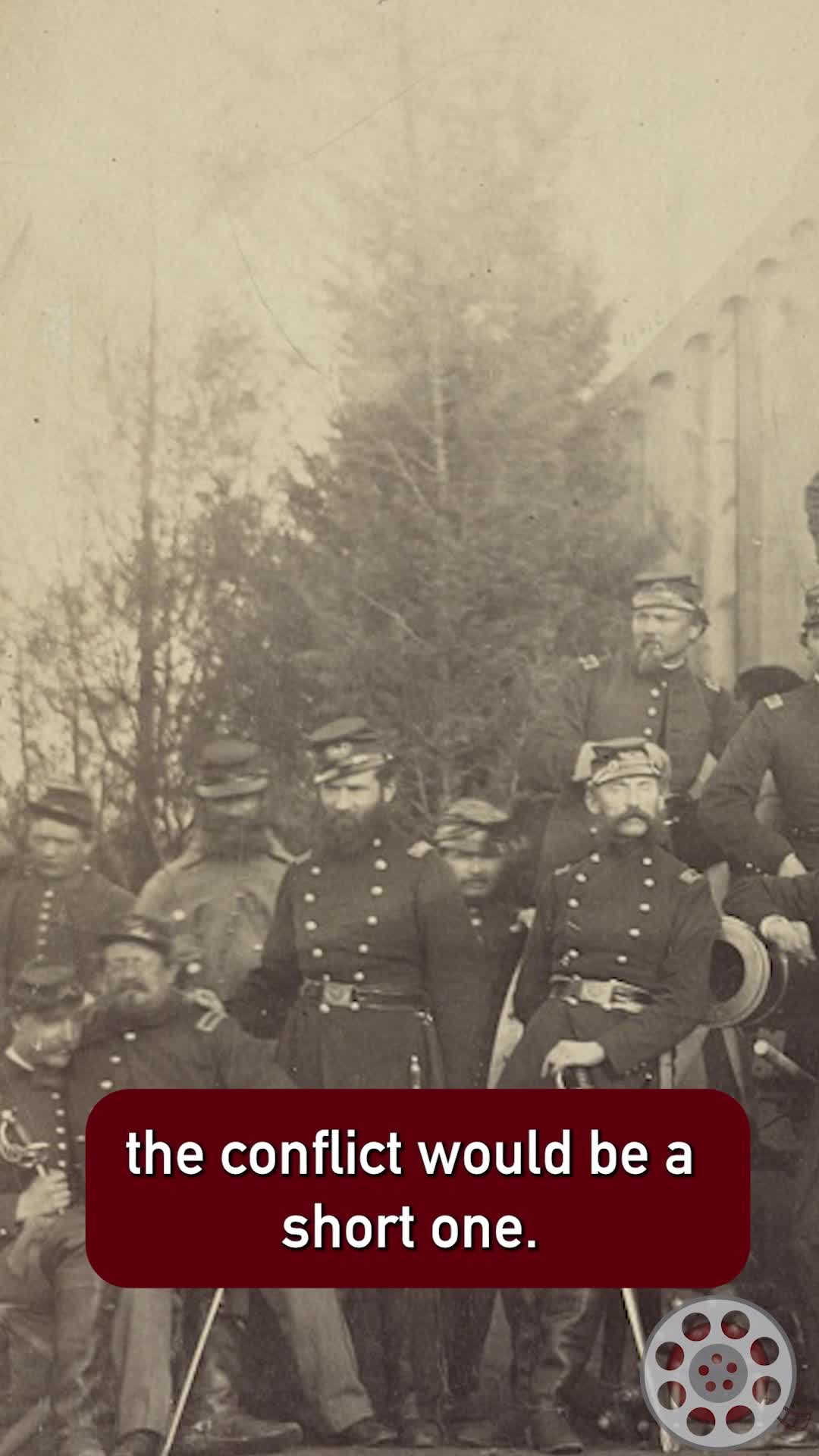
Many hoped that the Civil War would end quickly. The First Battle of Manassas (Bull Run) signaled a different story.
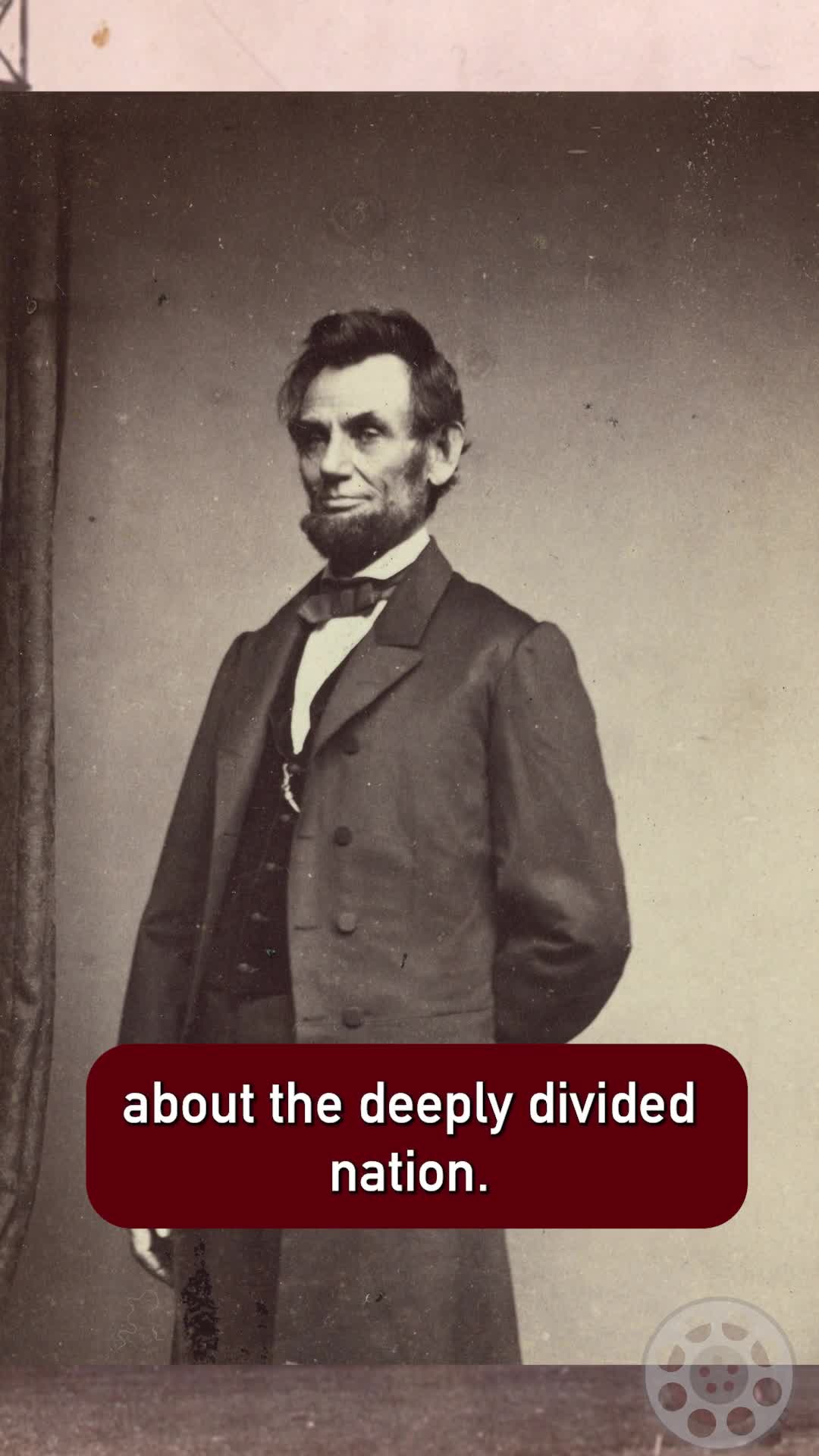
The Confederacy seizes control of a fort in Charleston harbor.
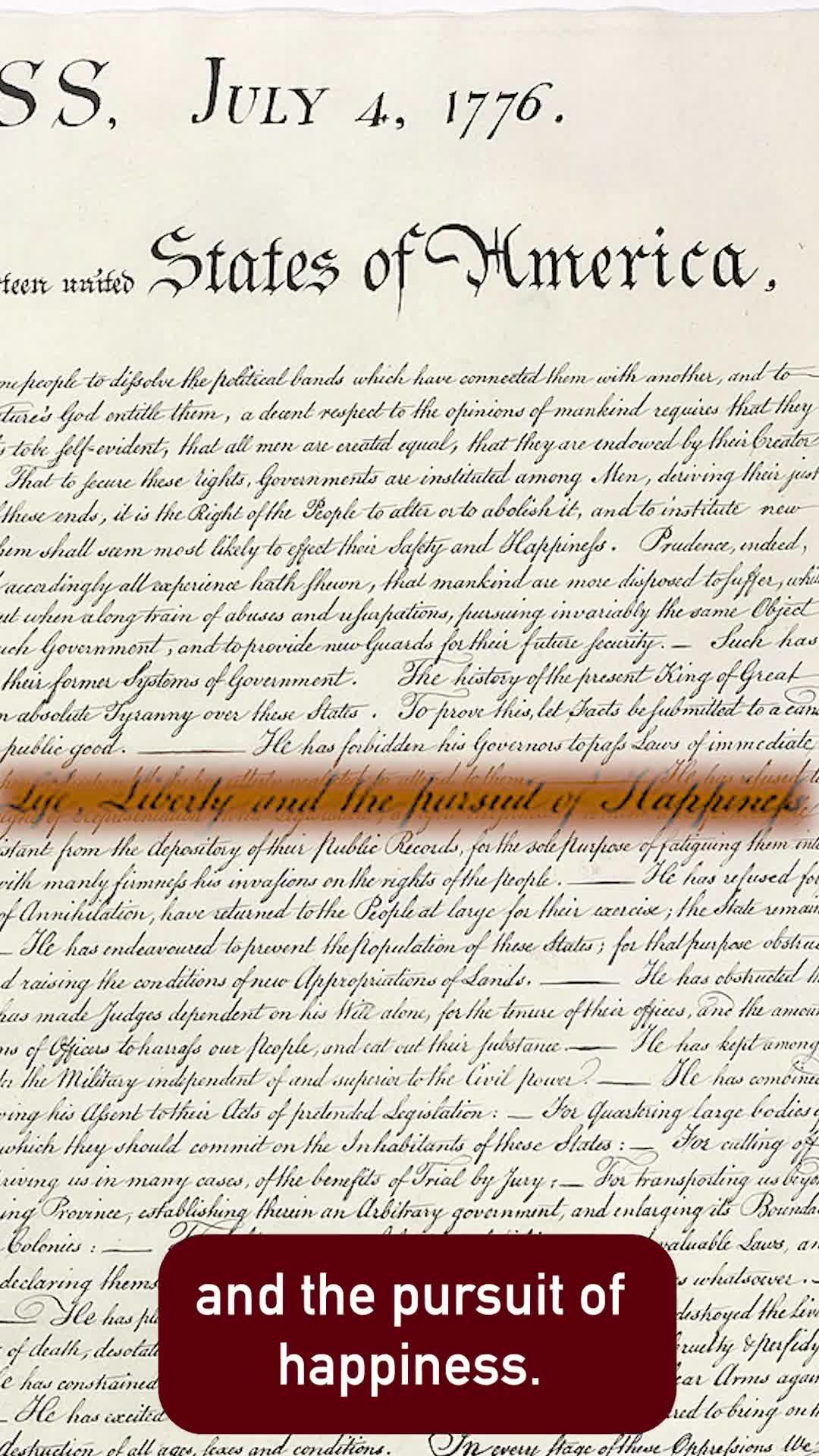
In American history, slavery provided the greatest obstacle to America’s vision of itself as a beacon of liberty.
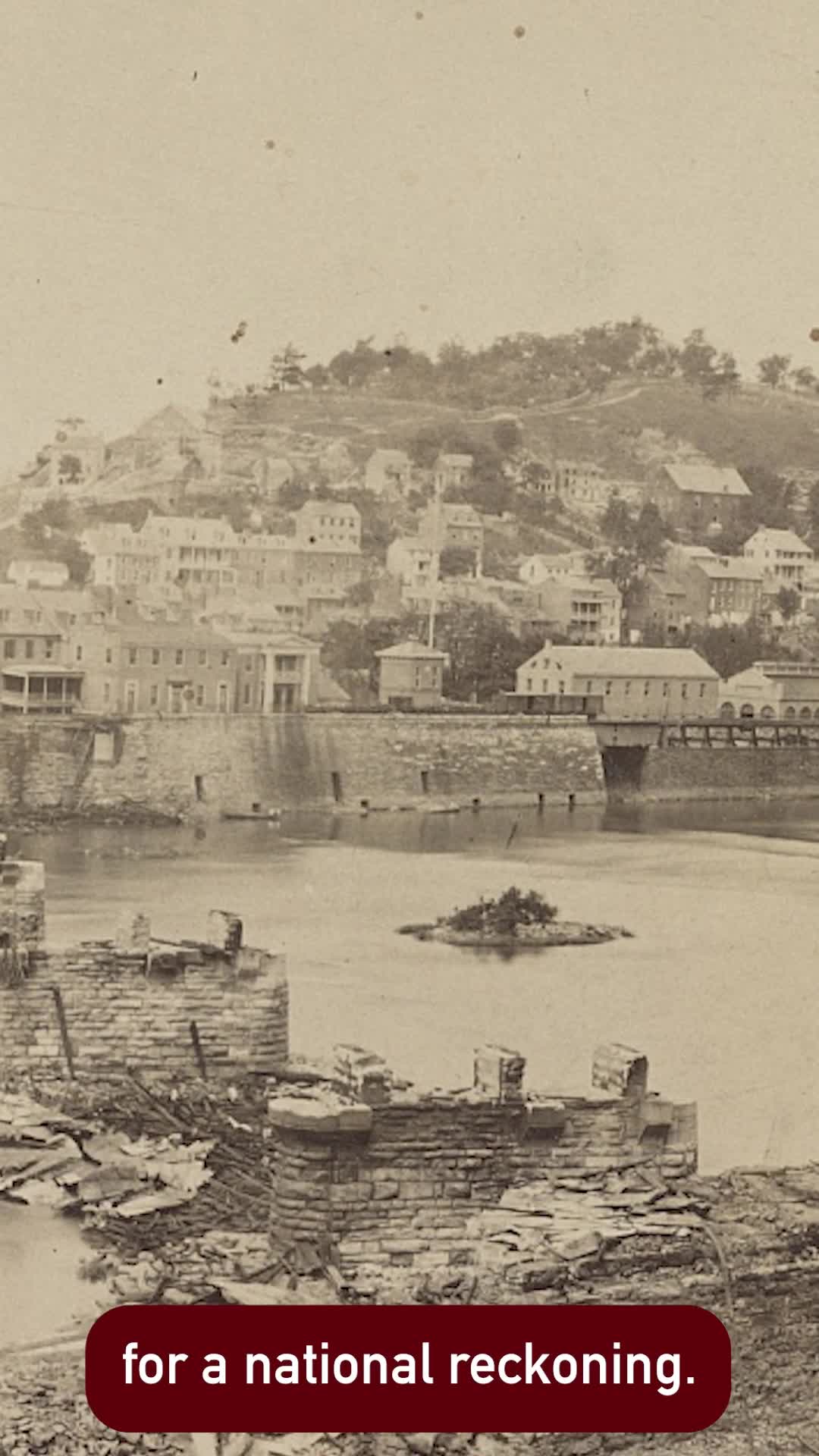
After waging guerilla war on slavery in Kansas, lifelong abolitionist John Brown set his sights on seizing the armory in Harpers Ferry, Virginia and enacting a slave rebellion.
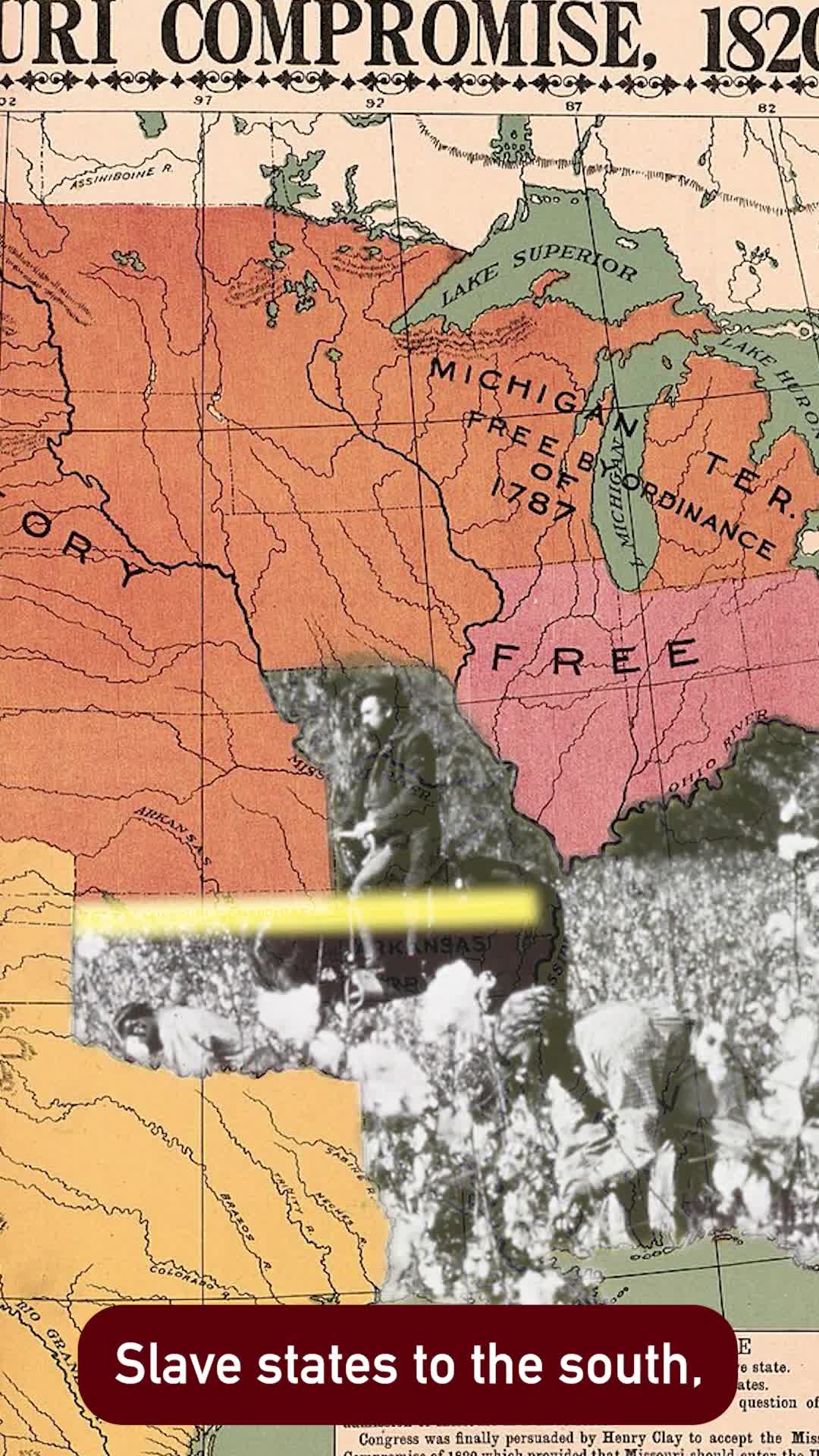
Hoping to solve the nation’s mounting dispute over slavery, Stephen Douglas pushes for the Kansas-Nebraska Act. The dispute would only grow.
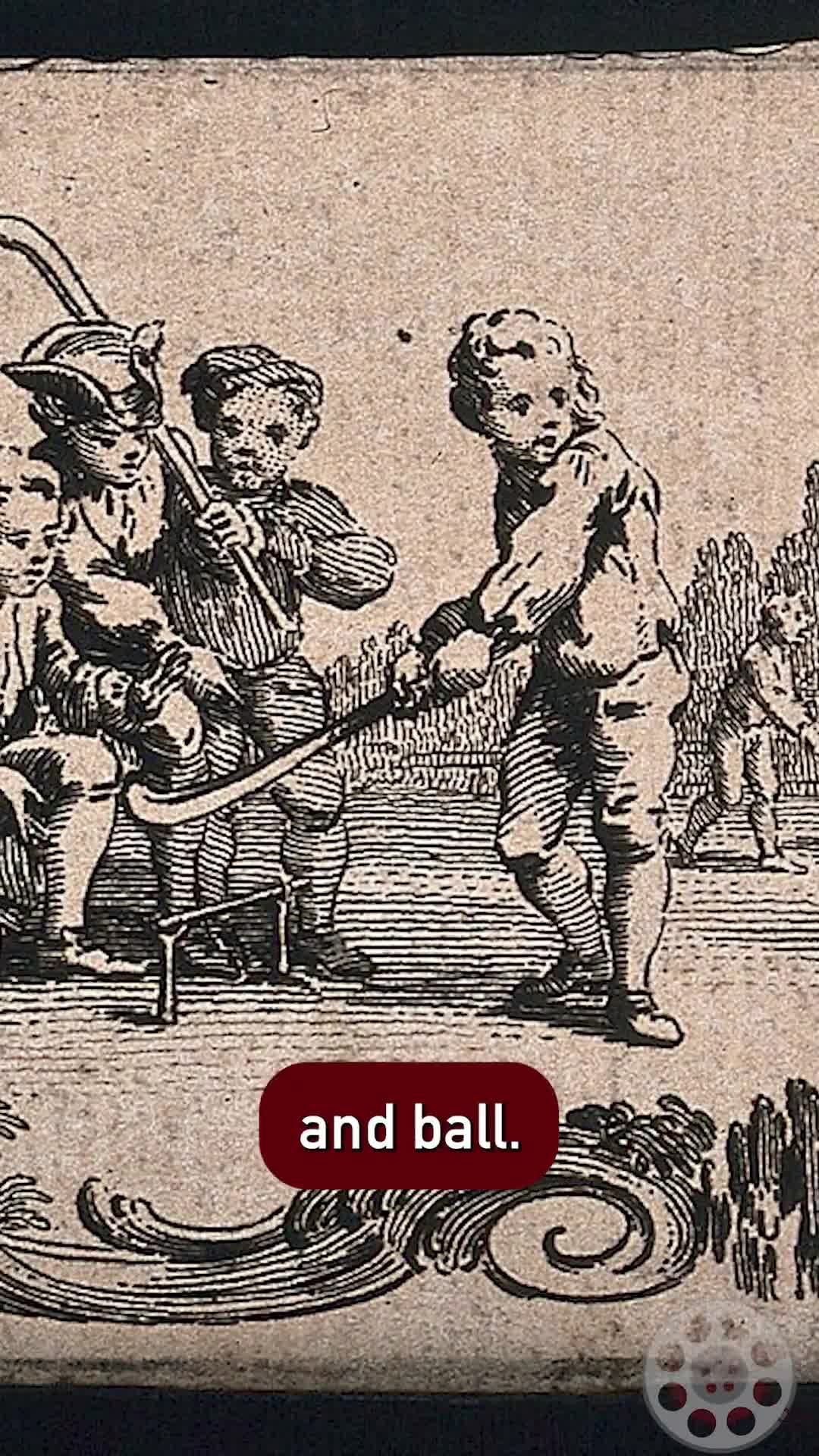
This episode traces the origins of this famous sport back to England in the mid-eighteenth century.
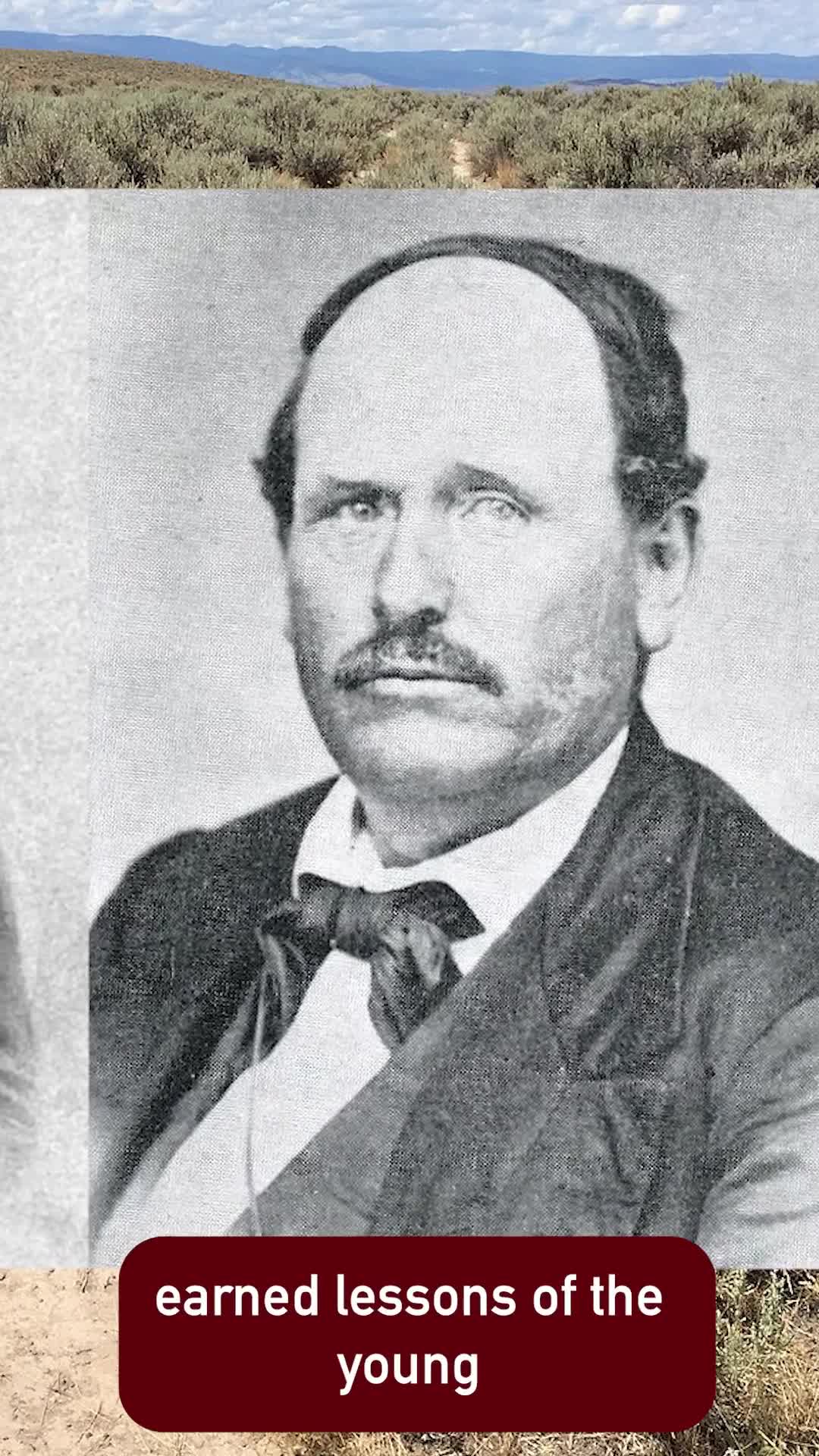
Before the completion of the Transcontinental Railroad in 1869, pioneers made their way to Oregon by wagon, along the Oregon Trail.
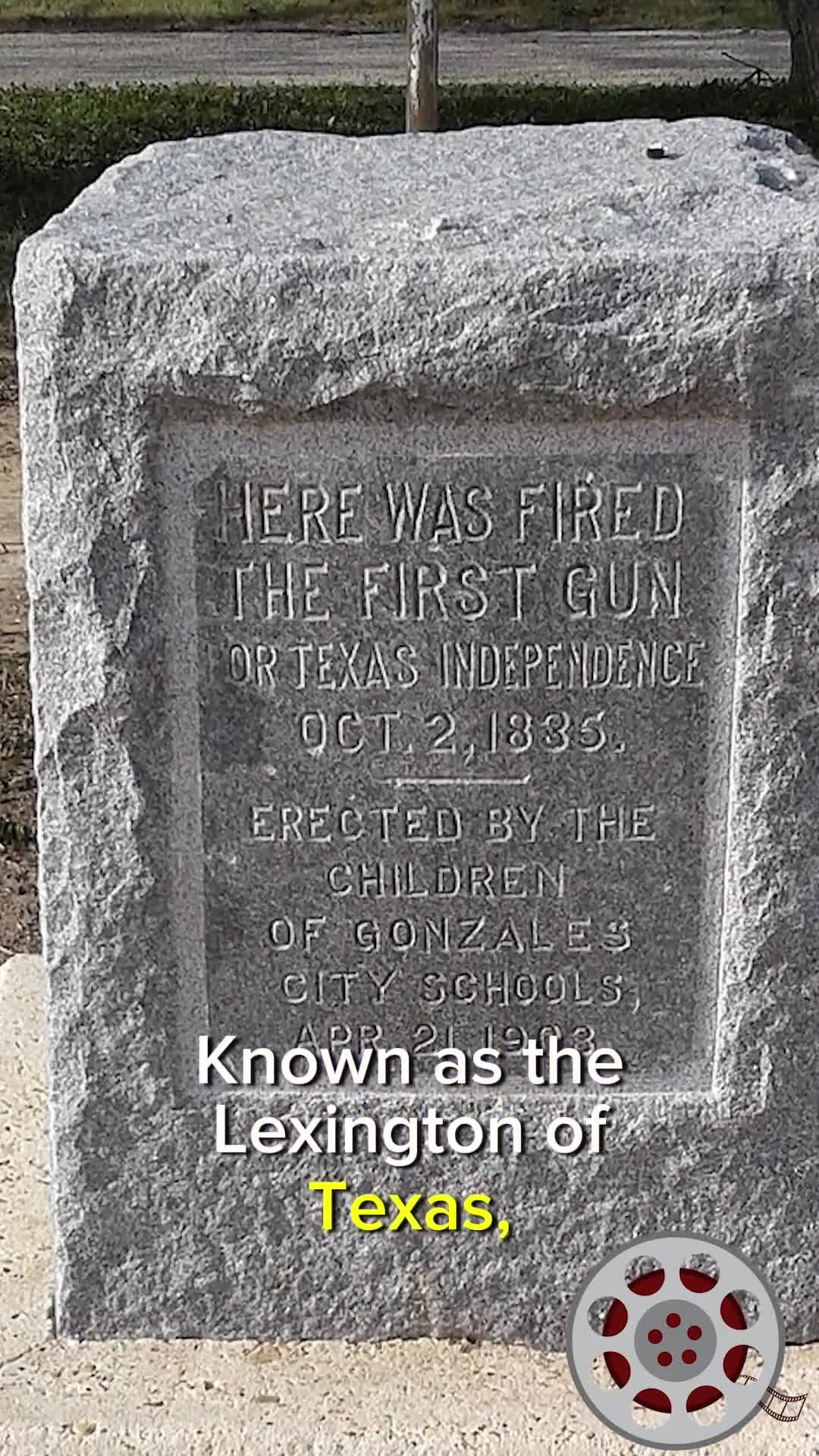
In the aftermath of the Battle of the Alamo, Texans regain momentum and defeat the Mexicans.
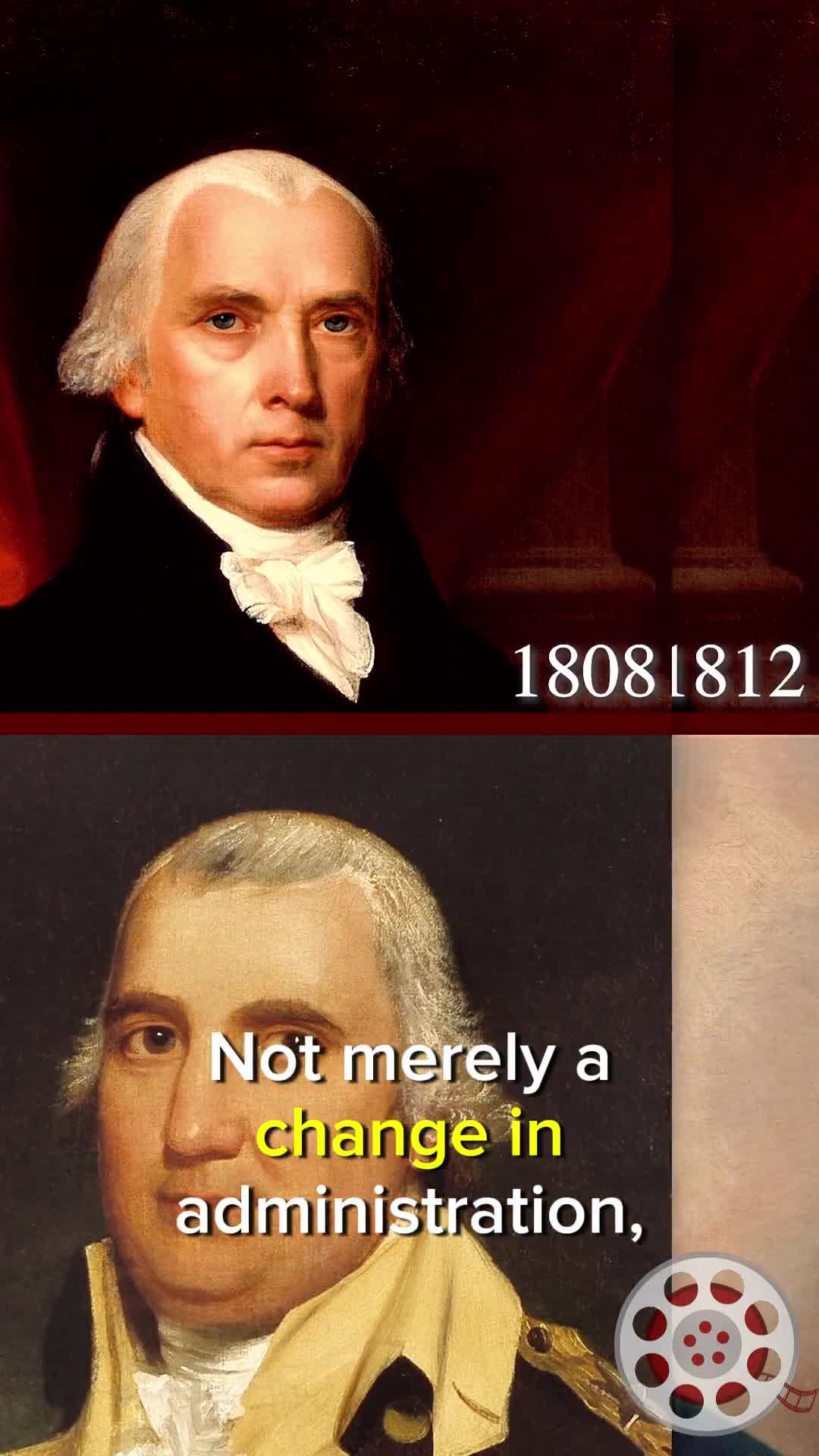
As the American political landscape shifts, a new party rises to power.
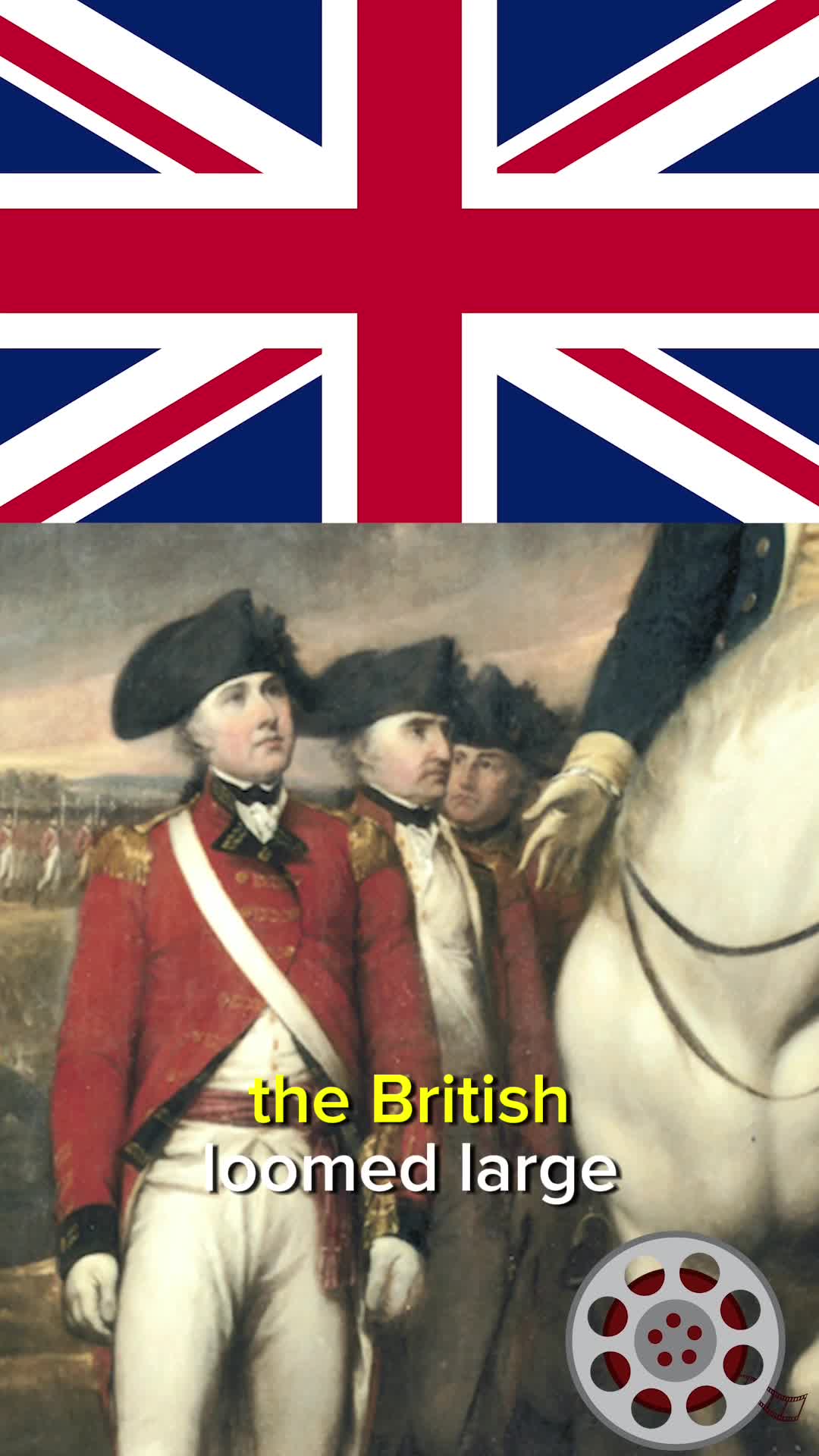
In 1812, our young republic went to war with the British—again. This time, the conflict led to the burning of the United States Capital.
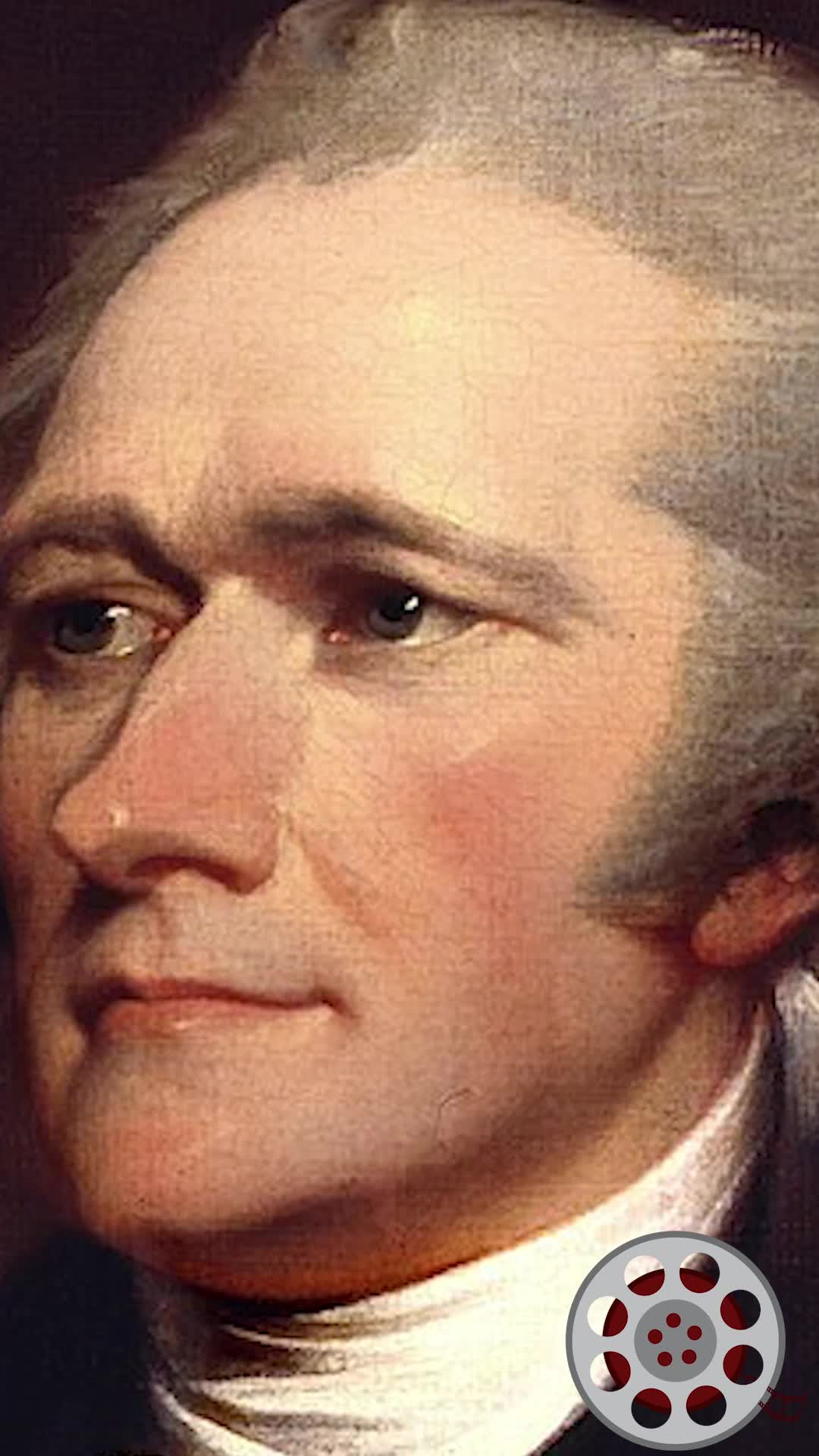
With the 1803 case, Marbury v. Madison, the Supreme Court establishes the practice of judicial review
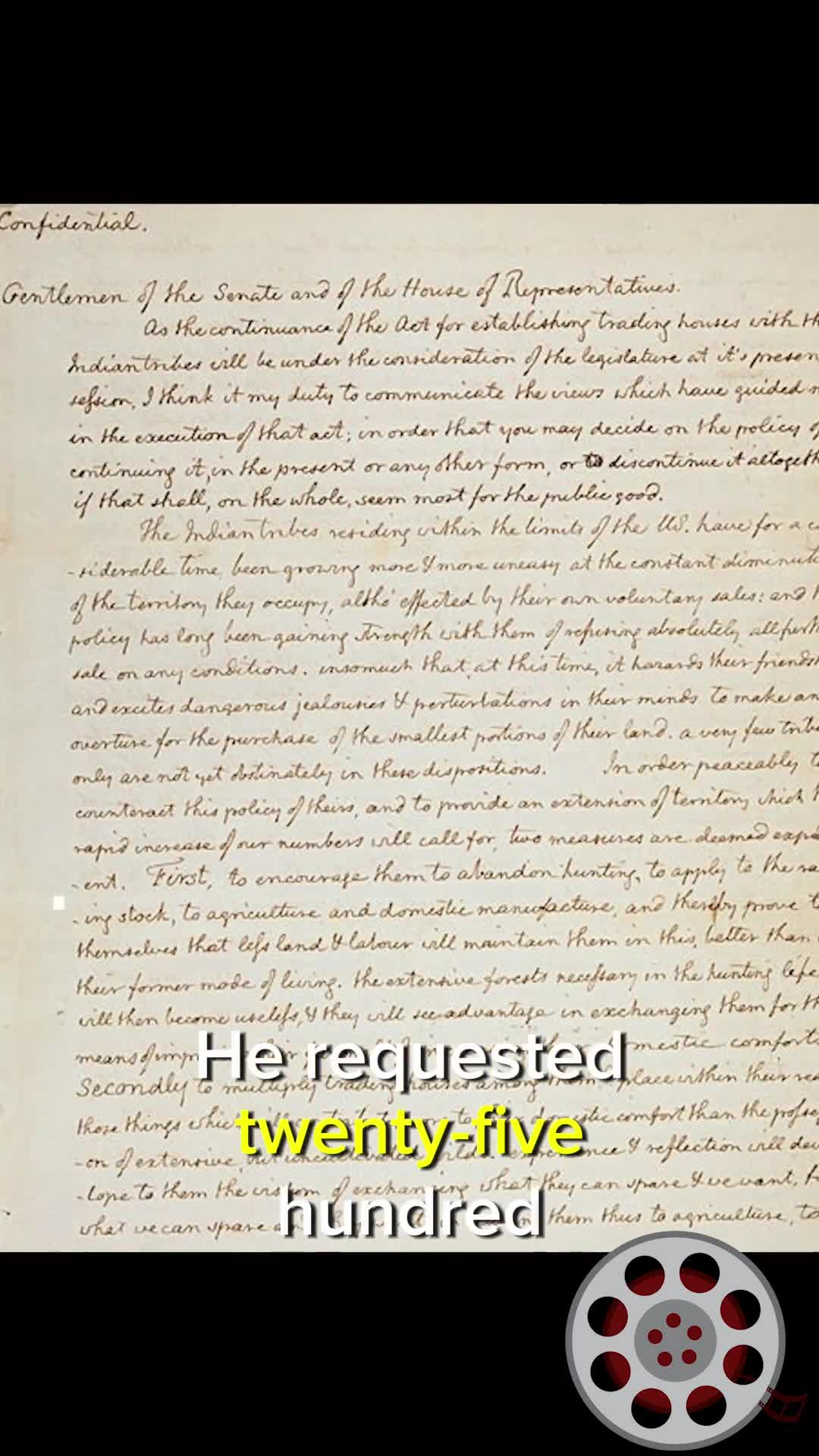
In the aftermath of the Louisiana Purchase, Meriwether Lewis and William Clark explore America’s vast new lands.
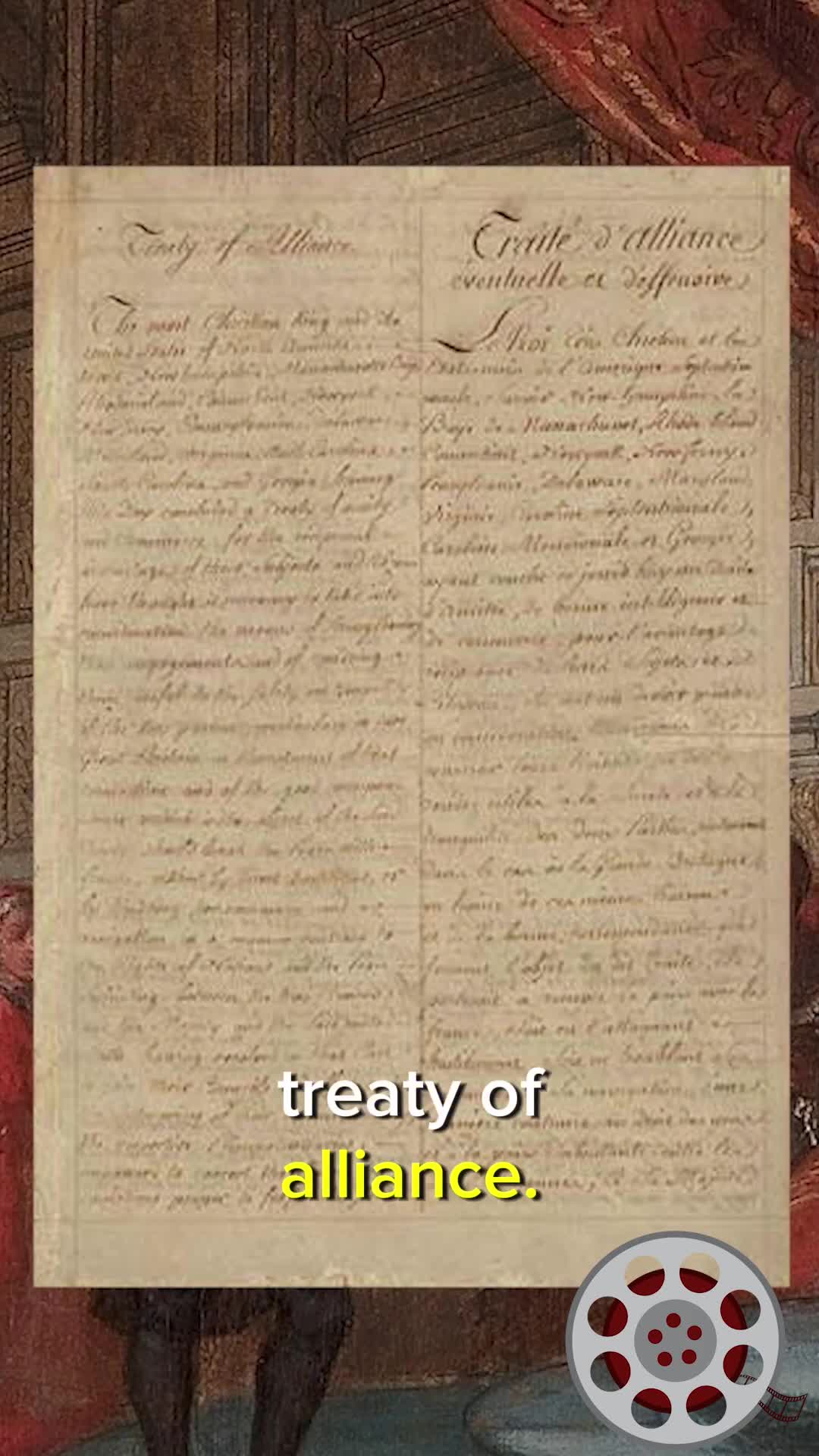
America’s first ally turns on her in the “XYZ Affair”.

The winter of 1777 was bleak for the Patriots, but the spring brought new hope.
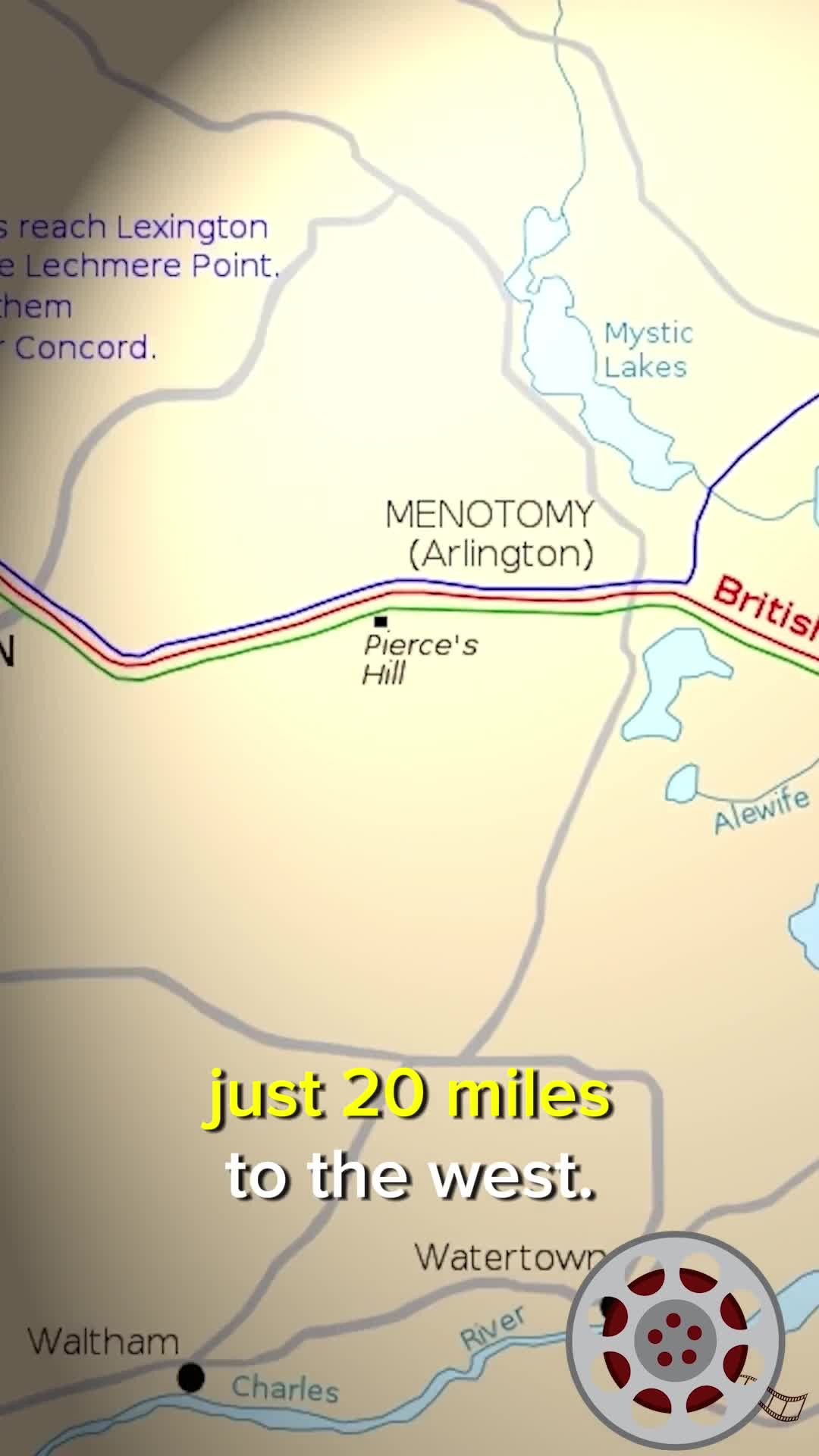
War begins in earnest for Britain and her American colonists.

The United States and the USSR come to the brink of nuclear war—and pull back.
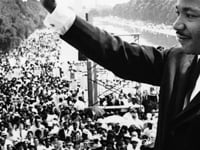
In 1963, Martin Luther King Jr. delivers the most important speech of the Civil Rights Movement.

The Roaring Twenties came to an abrupt end with the Crash of October, 1929.
Long before the White House, the Emancipation, or the Civil War, the man who preserved the Union emerged from an unlikely past.
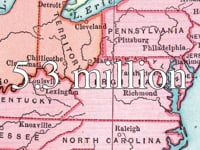
Presidents Andrew Jackson and Martin Van Buren carry out the Indian Removal Act, mandating that Native tribes in the Southeast move to territory west of the Mississippi.
The United States adopts a new foreign policy—one that echoes down the ages.
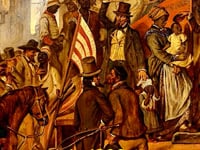
In 1820, Congress passed the Missouri Compromise, America’s response to the growing debate over slavery.

At the Battle of Tippecanoe, U.S. and Native American forces clash in modern day Indiana.

When the new nation needed a leader, Washington answered the call.

After defeating the British in war, the Americans needed a new constitution.
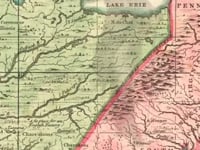
British expectations are toppled at Yorktown.
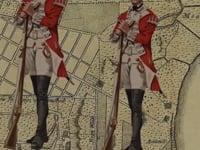

The patriot militiamen attempt to contain the British in Boston, with bloody consequences.
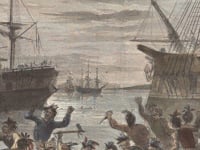
The American patriots join together as Britain’s rule becomes intolerable.


With a tax law in 1765, Great Britain stirs up fury and resistance in her American colonies.

Reaching all thirteen colonies, the Great Awakening established a lasting part of America's landscape.

The conflict between France and Britain reaches America with expensive results.

The colony of Maryland was intended as a refuge for Catholics in the New World.

William Penn sailed for Pennsylvania with great ambitions for a new Quaker colony in the New World.

The Puritans sail for New England to establish their "City upon a hill".


The British establish Jamestown as their first permanent settlement in America.

The first British colony in the New World, Roanoke, remains a mystery to this day.


Columbus opened up the way to one world and left his mark on America.

