Episode 65 - Surrender
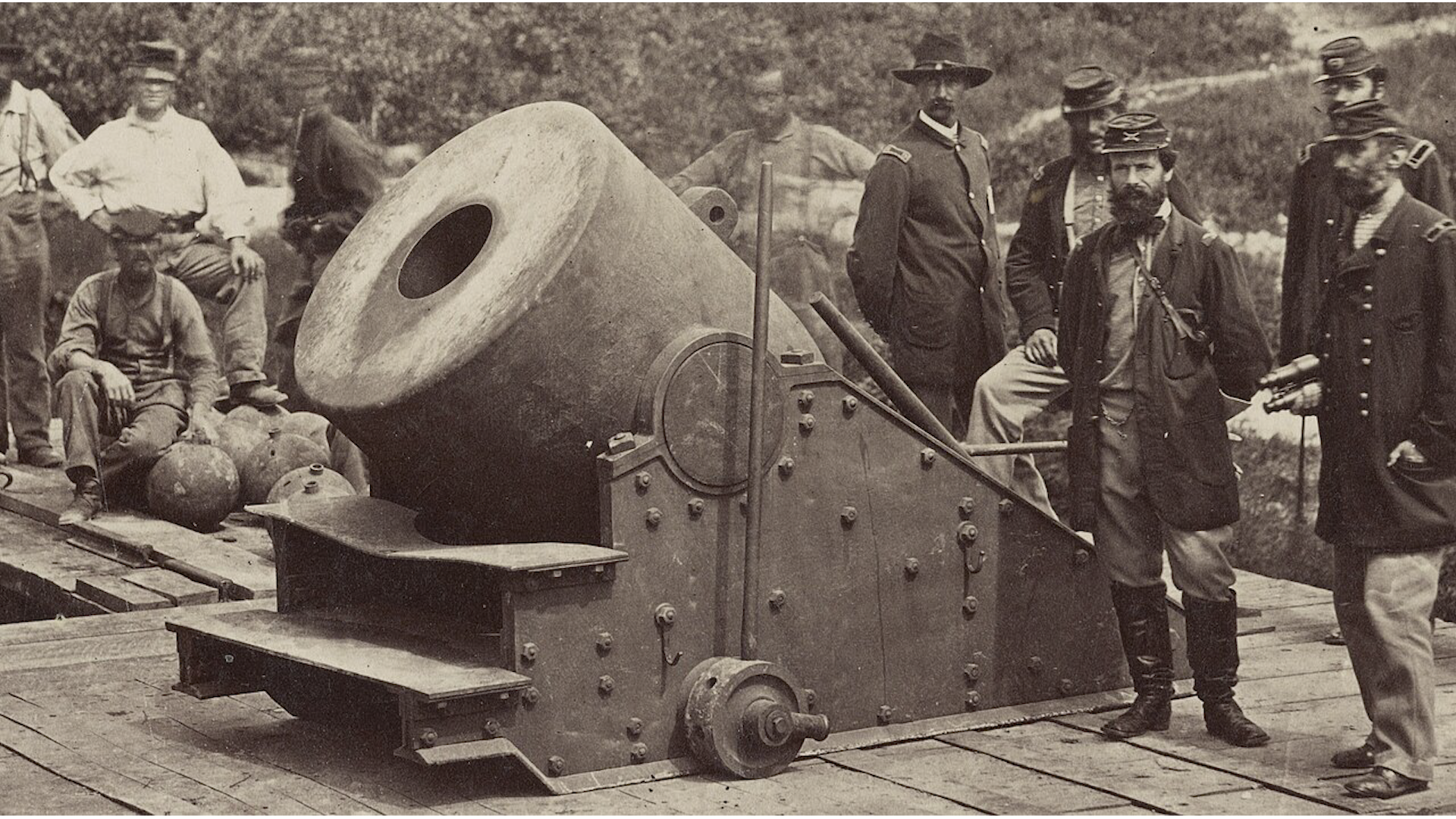
On April 9, 1865, Robert E. Lee surrendered to Ulysses S. Grant at Appomattox Court House. Lee's army was starving and outnumbered, his retreat cut off by Sheridan's cavalry. The two generals met in the parlor of Wilmer McLean, a merchant who had moved to Appomattox seeking peace after artillery struck his property at the First Battle of Bull Run.
Grant offered generous terms: parole, sidearms, and horses for spring planting. The surrender document was drafted by Ely S. Parker, a Seneca officer who answered Lee's remark about "one real American" with the line, "We are all Americans." Grant ordered Union troops to stop celebrating. Five days later, a single shot was fired in Ford's Theater.
Key Takeaways
By spring 1865, Lee's army was starving and disintegrating. After the fall of Richmond and Petersburg, Lee retreated west toward Lynchburg. Philip Sheridan's cavalry cut off his escape, and Grant's infantry blocked every road.
On the morning of April 9, a final Confederate attack failed. Lee told his staff: "There is nothing left for me to do but go and see General Grant, and I would rather die a thousand deaths."
The two commanders met in the parlor of Wilmer McLean, a merchant whose home near the First Battle of Bull Run had been struck by artillery in 1861. McLean had moved his family to Appomattox seeking peace. He later joked that the war began in his front yard and ended in his parlor.
Grant offered generous terms: Confederate soldiers would be paroled rather than imprisoned. Officers could keep their sidearms. Any soldier who owned a horse or mule could keep it for spring planting. Lee replied: "This will have the best possible effect upon the men and will do much toward conciliating our people."
The surrender document was drafted by Lieutenant Colonel Ely S. Parker, Grant's military secretary and a member of the Seneca Nation. Lee remarked that he was pleased to see "one real American" present. Parker replied: "We are all Americans."
When word of the surrender reached Union camps, soldiers erupted in cheers. Grant ordered the celebrations to stop: "The war is over, the rebels are our countrymen again, and the best sign of rejoicing after the victory will be to abstain from all demonstrations." He sent three days' rations to 25,000 starving Confederate soldiers. Three days later, Joshua Chamberlain's Union troops formally saluted the Confederates as they stacked their arms. Five days after the surrender, a single shot was fired in Ford's Theater.
Sign up here to be the first to know about new History250 releases, content & resources!
Questions & Answers (FAQ)
Q1: Why did Lee surrender at Appomattox Court House?
By April 1865, Lee's army was starving and disintegrating. After the fall of Richmond and Petersburg, Lee retreated west, hoping to reach supplies at Lynchburg. Philip Sheridan's Union cavalry cut off his escape route, and Grant's infantry blocked every possible road. On the morning of April 9, a final Confederate attempt to break through the Union lines failed. Lee concluded that further resistance would cause needless casualties and asked to meet with Grant.
Q2: Why did the surrender take place in Wilmer McLean's parlor?
Wilmer McLean was a merchant whose home near the First Battle of Bull Run had been struck by Confederate artillery in July 1861. He moved his family to Appomattox to escape the war. Nearly four years later, the surrender meeting between Grant and Lee was arranged at McLean's new home because it was a respectable private residence near where the armies happened to be. McLean later joked that the war began in his front yard and ended in his parlor.
Q3: What were Grant's surrender terms?
Grant offered remarkably generous terms. Confederate soldiers would be paroled (released after pledging not to take up arms again against the United States) rather than imprisoned. Officers could keep their sidearms. Recognizing that spring planting season had arrived, Grant allowed any Confederate soldier who owned a horse or mule to keep it. Grant also sent three days' rations to the 25,000 starving Confederate soldiers. The terms were designed to make reconciliation possible, not just to mark the defeat of the Confederacy.
Q4: Who was Ely S. Parker, and what did he say to Lee?
Ely S. Parker was a Seneca Nation tribal leader, attorney, and engineer who served as Grant's military secretary. He drafted the surrender document at Appomattox in his own hand. When Grant introduced his staff, Lee paused at Parker and remarked that he was pleased to see "one real American" present. Parker reportedly replied, "We are all Americans." The exchange is one of the most quoted moments of the day. Parker later became the first Native American Commissioner of Indian Affairs.
Q5: What happened in the five days between Appomattox and Lincoln's assassination?
April 9 was a Sunday. Word of the surrender spread quickly to Washington, where a 500-gun salute filled the city with thunder and smoke. Crowds on Wall Street sang the National Anthem. On April 12, three days after the parlor meeting, Joshua Chamberlain's Union troops formally received the Confederate stacked arms; Chamberlain ordered his men to salute the defeated. On April 14, Good Friday, Lincoln was shot at Ford's Theater. He died the next morning. Other Confederate armies surrendered over the following weeks (Johnston on April 26, Richard Taylor on May 4, Kirby Smith on May 26), but the road to reconciliation that Grant's terms had opened was now overshadowed by mourning.
April 9, 1865
On April 9, 1865, Robert E. Lee surrendered to Ulysses S. Grant, at Appomattox Court House, about 95 miles west of the Confederate capital, Richmond. After four years of bloody civil war, the meeting signaled the collapse of the Confederacy and the preservation of the United States as a single nation. The surrender did not officially end the war, but it effectively destroyed Southern hopes of victory. At the same time, after four bloody years of civil war, the generous terms that General Grant offered General Lee signaled the possibility of reconciliation.
Lee's Army Is Out of Options
By the spring of 1865, Lee's soldiers were running out of food, ammunition, horses, and manpower. Desertions increased, supplies disappeared, and many soldiers could barely continue marching. When Union forces broke through Confederate defenses in early April, Richmond and Petersburg fell. The Confederate government abandoned the capital and fled south.
Sheridan Cuts Off the Retreat
When Lee attempted a retreat toward Danville he was cut off by Philip Sheridan and the Union cavalry. The Confederate commander was forced to move his troops toward Lynchburg. Grant moved quickly to prevent that escape. Union troops repeatedly marched ahead of Lee's retreating army and blocked every possible route. On the morning of April 9, Confederate forces made one final attempt to break through Union lines near Appomattox Court House. The attack failed, and Lee realized that further resistance would only bring needless casualties. He told his staff, "There is nothing left for me to do but go and see General Grant, and I would rather die a thousand deaths."
The Parlor of Wilmer McLean
A meeting was arranged between the two commanders at the home of Wilmer McLean, a merchant who had moved to Appomattox seeking peace after the war disrupted his life elsewhere. In July 1861, McLean had lived near the First Battle of Bull Run. During the fighting, artillery shells struck his property, convincing him to move far from the war. Nearly four years later, the war's most famous meeting occurred inside his new home. McLean later joked that the war had begun in his front yard and ended in his parlor.
Grant and Lee Meet
Grant arrived first. Standing 5 feet 8 inches tall, he wore a muddy field uniform. Lee, 6 feet tall, arrived dressed in an immaculate gray uniform, complete with sash and polished sword. Before discussing surrender terms, the generals spent several minutes talking about old comrades and shared experiences from their time serving together during the Mexican-American War.
Grant's Generous Terms
The terms Grant offered were generous. Confederate soldiers would be paroled rather than imprisoned and could return home after promising not to take up arms against the United States again. Grant also allowed Confederate officers to keep their sidearms. Recognizing that spring planting season had arrived, Grant permitted soldiers who owned horses or mules to keep them. Lee responded to the offer: "This will have the best possible effect upon the men and will do much toward conciliating our people."
"We Are All Americans"
Grant introduced Lee to his staff. The surrender document had been prepared by Lieutenant Colonel Ely S. Parker, Grant's military secretary and a member of the Seneca Nation. Lee noticed Parker and remarked that he was pleased to see "one real American" present. Parker reportedly replied, "We are all Americans."
Grant Stops the Celebrations
After the terms were signed, news of the surrender spread rapidly through Union camps. Soldiers erupted in cheers as word passed from regiment to regiment. Grant immediately ordered the celebrations to stop. "The war is over, the rebels are our countrymen again, and the best sign of rejoicing after the victory will be to abstain from all demonstrations." General Grant ordered three days rations to be delivered to the 25,000 vanquished soldiers who had served General Lee. Lee returned to his army and encouraged his soldiers to obey the surrender terms. He urged them to return home peacefully and begin rebuilding their lives. Many Confederate soldiers wept as they learned that the Army of Northern Virginia would fight no more.
The Formal Surrender Ceremony
Three days later, a formal surrender ceremony took place. Confederate soldiers marched forward to stack their weapons and flags. Union troops under General Joshua Chamberlain stood in formation to receive them. Chamberlain then ordered his men to salute the defeated Confederates. Confederate General John B. Gordon responded by lowering his sword and bowing from horseback. Joseph Johnston surrendered on April 26, Richard Taylor on May 4, and Edmund Kirby Smith on May 26.
Five Days Later: Ford's Theater
On hearing the news of Lee's surrender, celebrations in Washington, D.C., broke out, including a 500 gun salute, which filled the city's air with thunder and blue smoke. On Wall Street in New York City, crowds broke out in song, including boisterous renditions of the National Anthem. The bloodiest war in American history was effectively over. The nation was relieved. The path to restoration had been heralded by Grant's generous surrender terms. Five days after the ceremony at Appomattox, however, and just two days after Confederate soldiers surrendered their weapons, a single shot was fired in Ford's Theater. The road to reconciliation had faltered. Celebration would now give way to mourning. For historical maps of the Appomattox campaign, visit the HISTORY 250® maps library.