

Robert E. Lee surrenders to Ulysses S. Grant at Appomattox Court House.
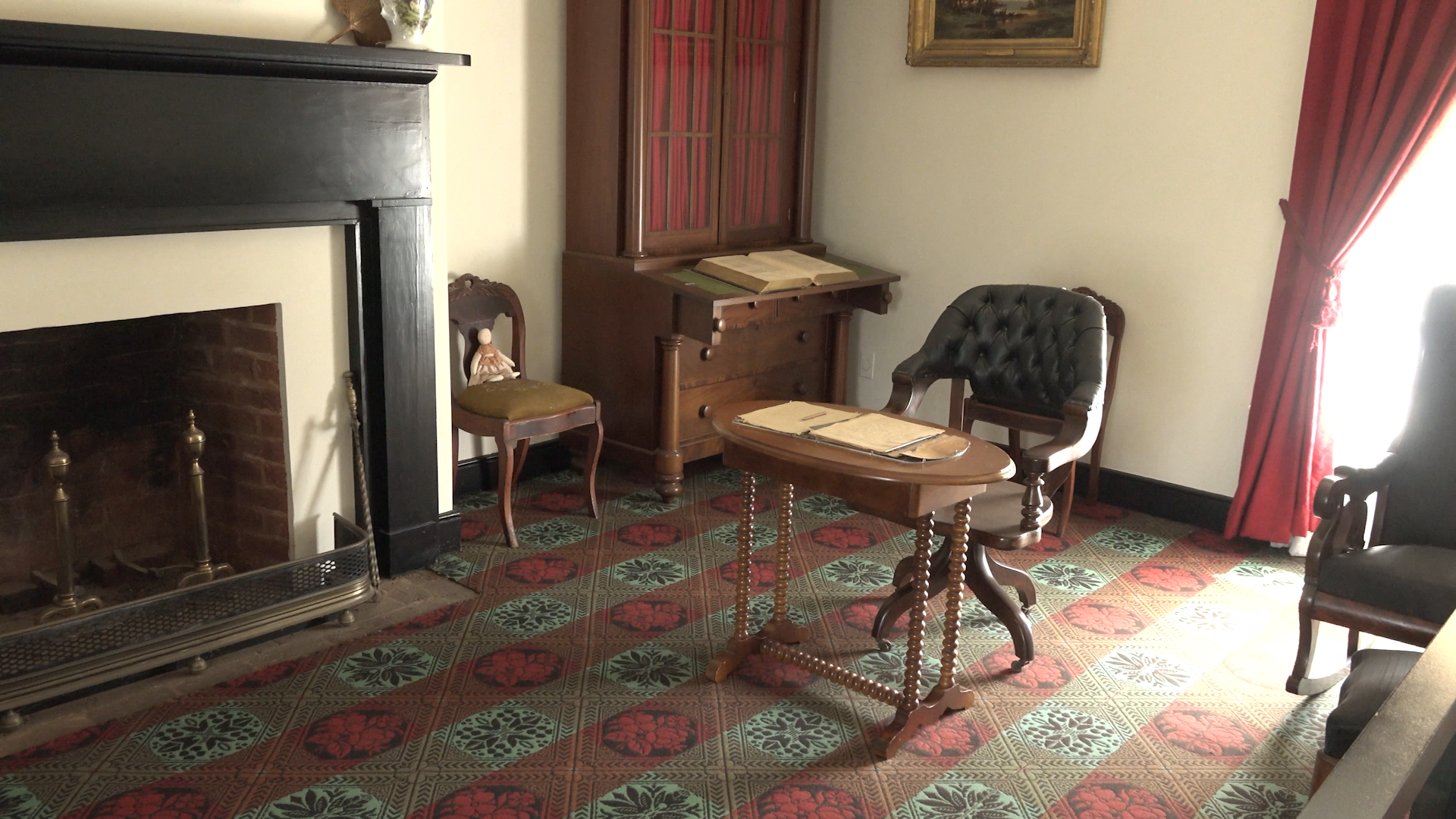
Just five days after Lee’s surrender at Appomattox, John Wilkes Booth shoots Lincoln at Ford’s Theatre.
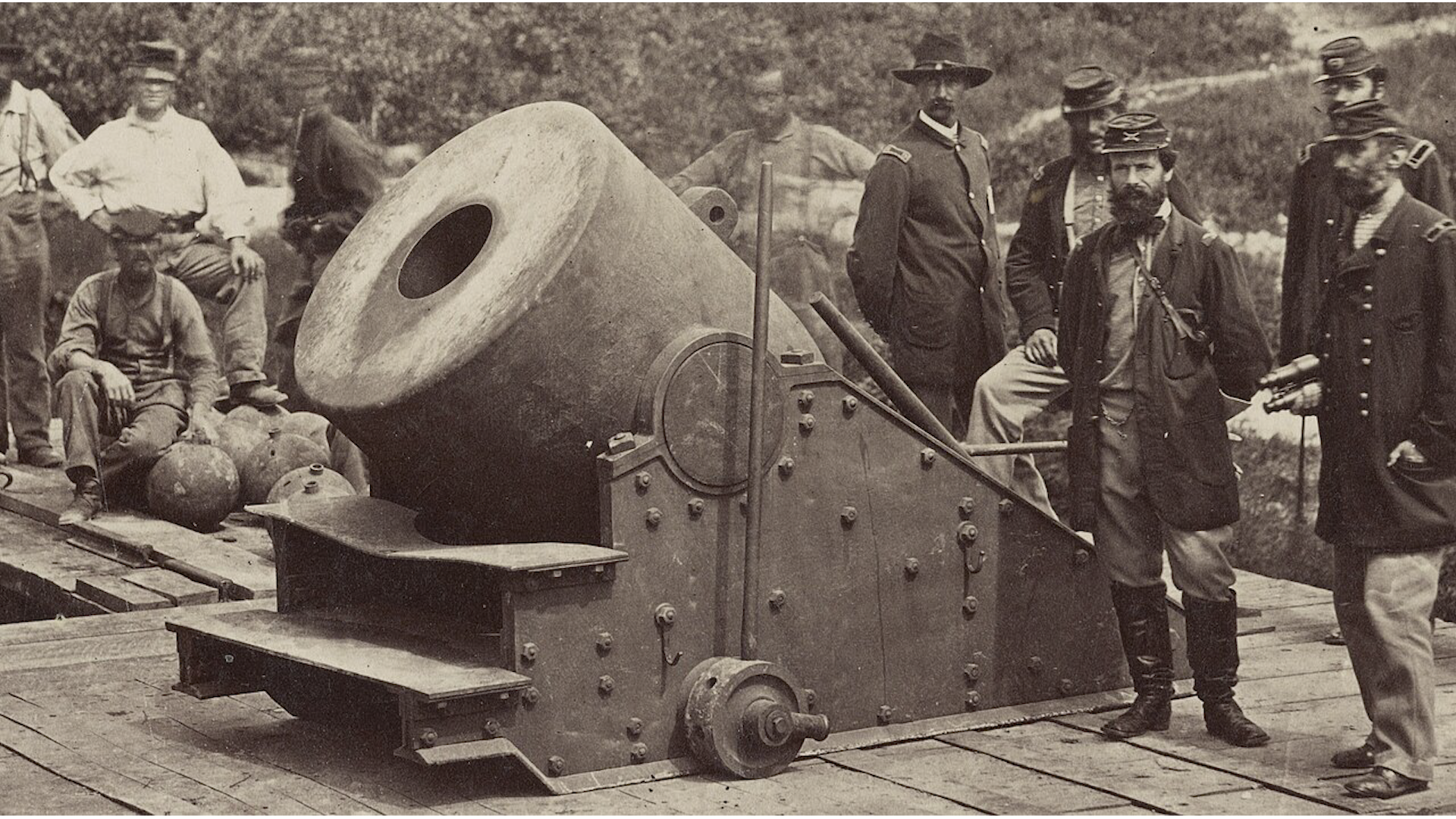
North and South face off in the war’s last, great campaign—the siege of Petersburg.
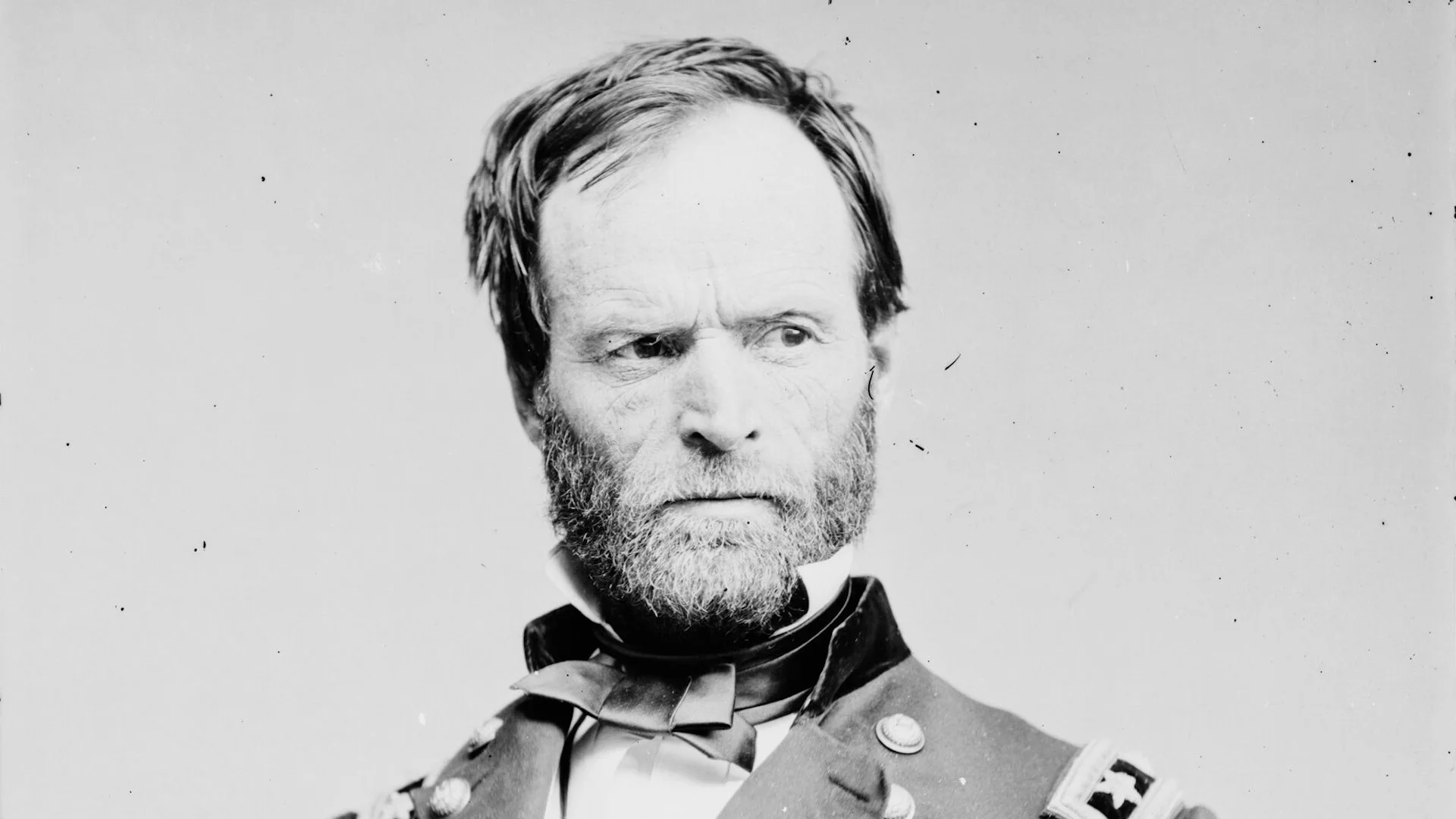
Union General William T. Sherman uproots the South in the Atlanta Campaign.
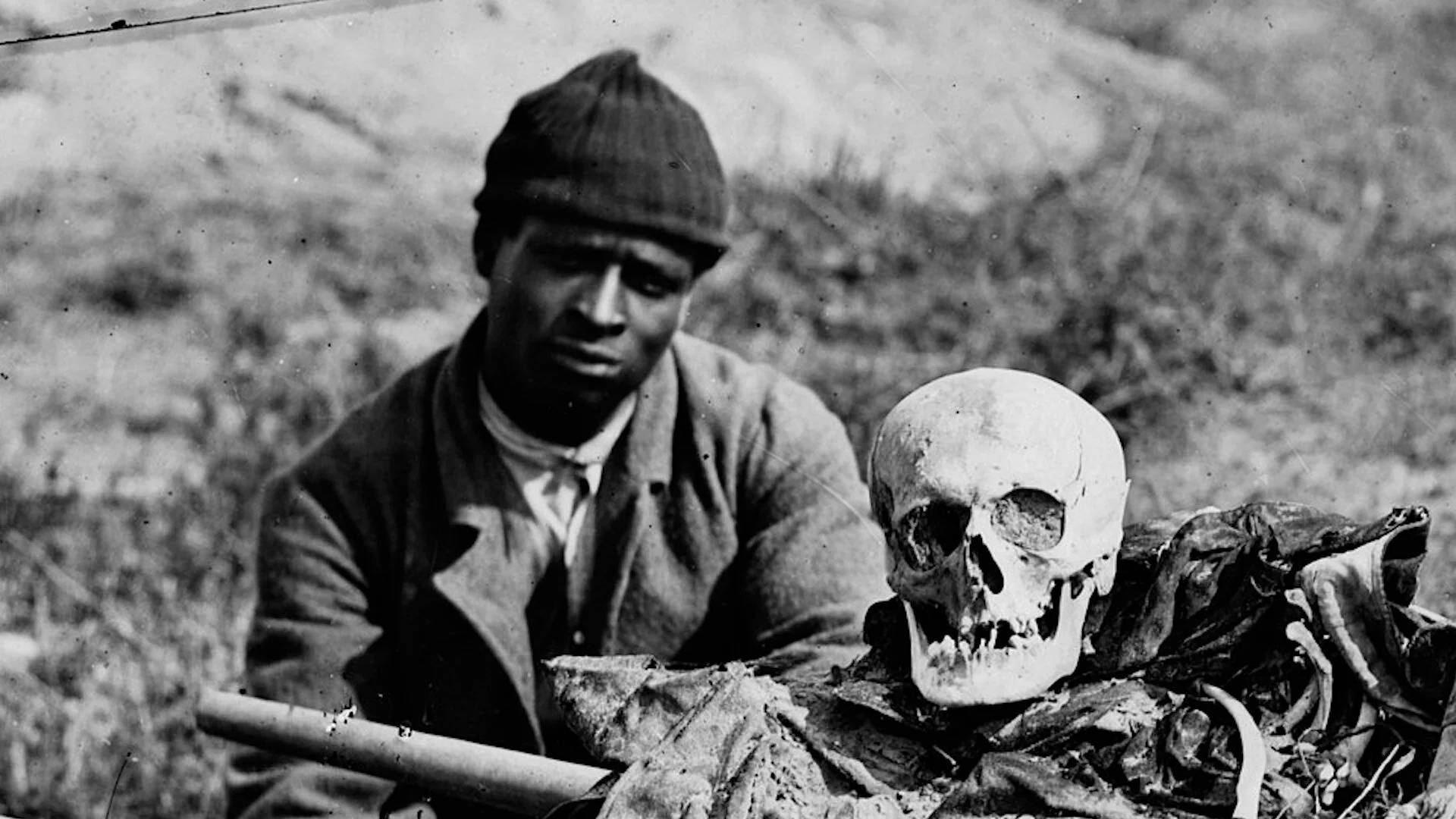
The war’s two greatest generals face off in the Overland Campaign.
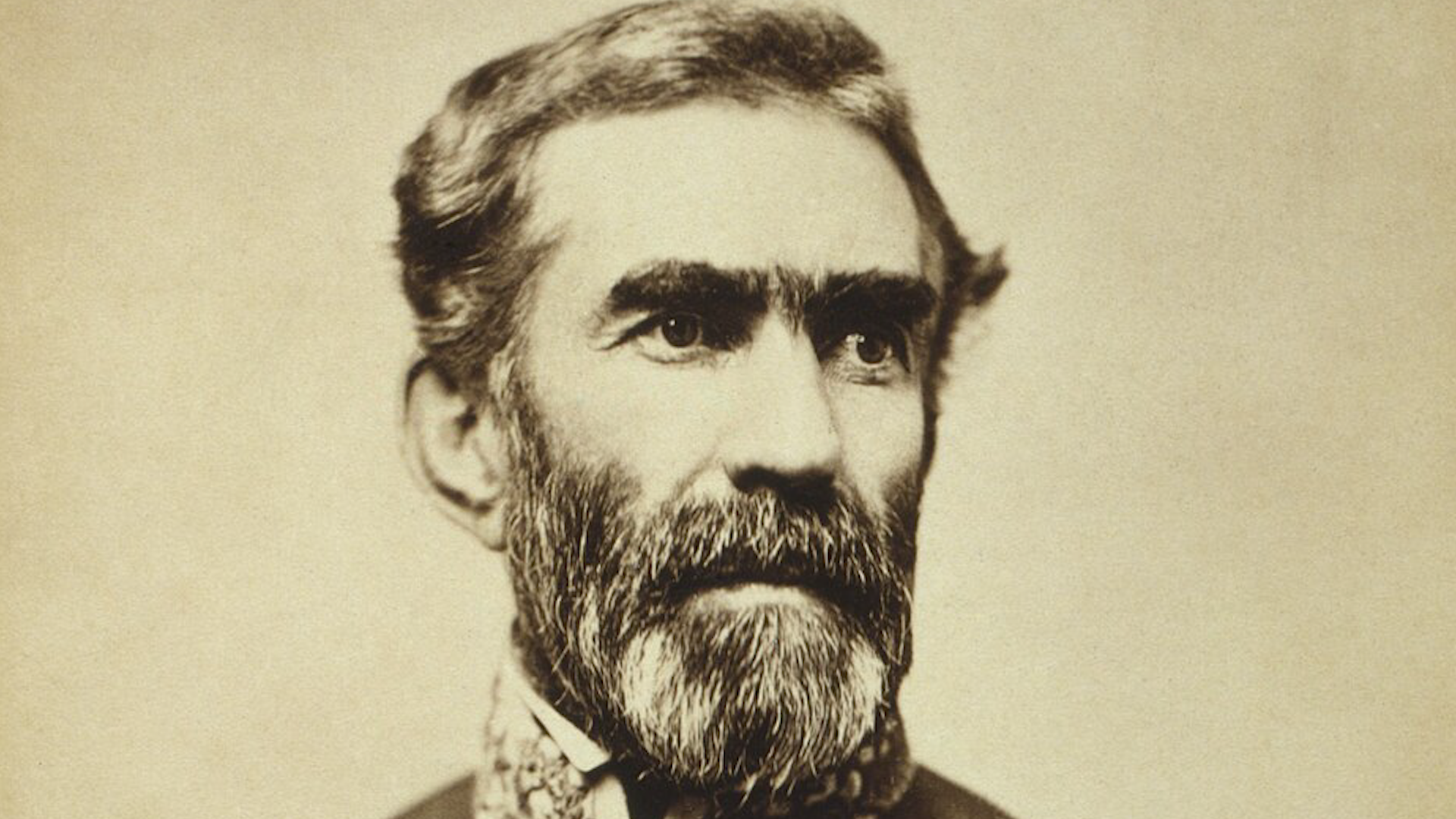
In the fall of 1863, Grant led Union forces to a key victory in the western theater—at Chattanooga.
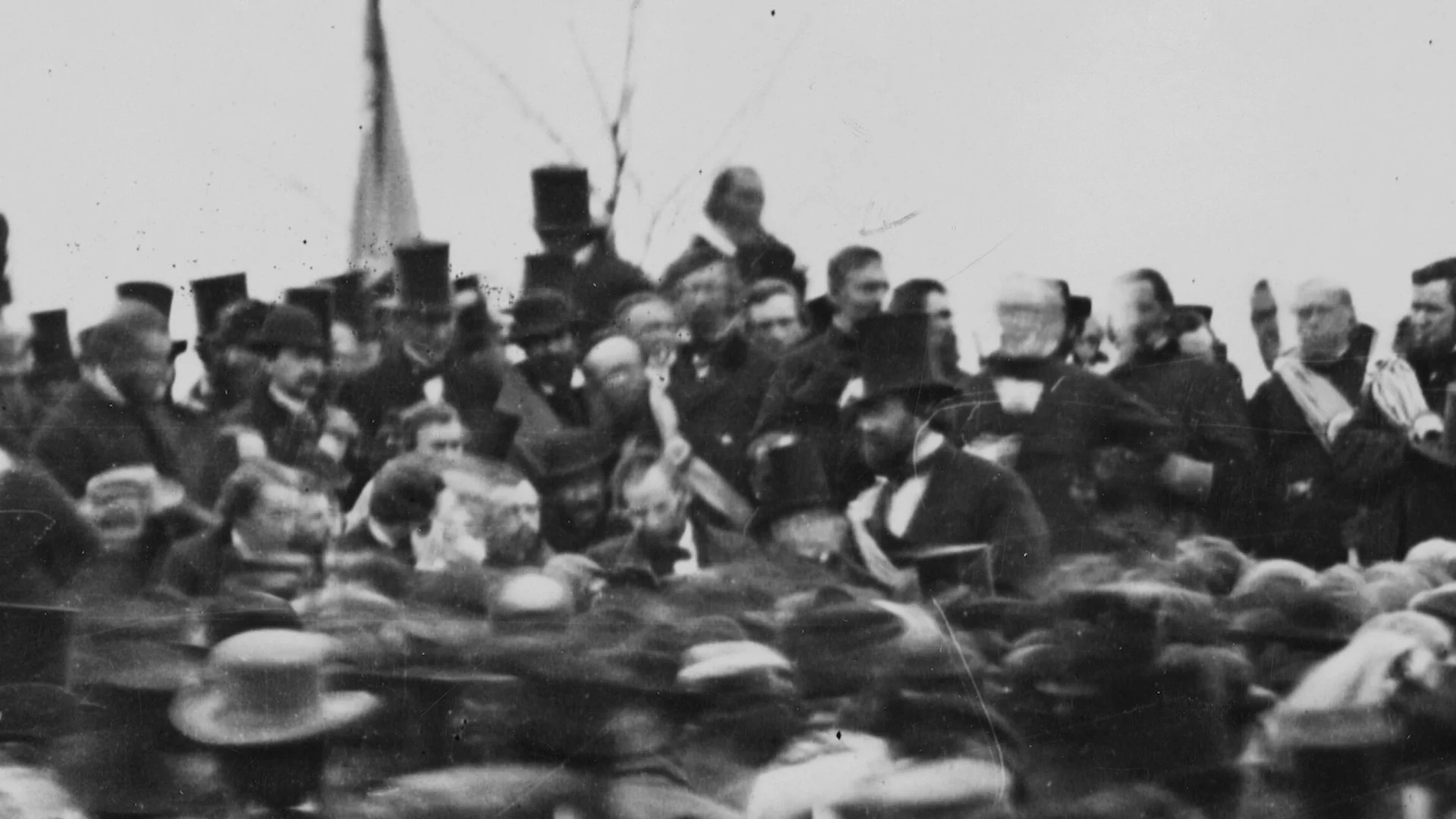
On November 19, 1863, on the occasion of dedicating the Soldier's National Cemetery, Lincoln delivered what came to be America’s most beloved speech.
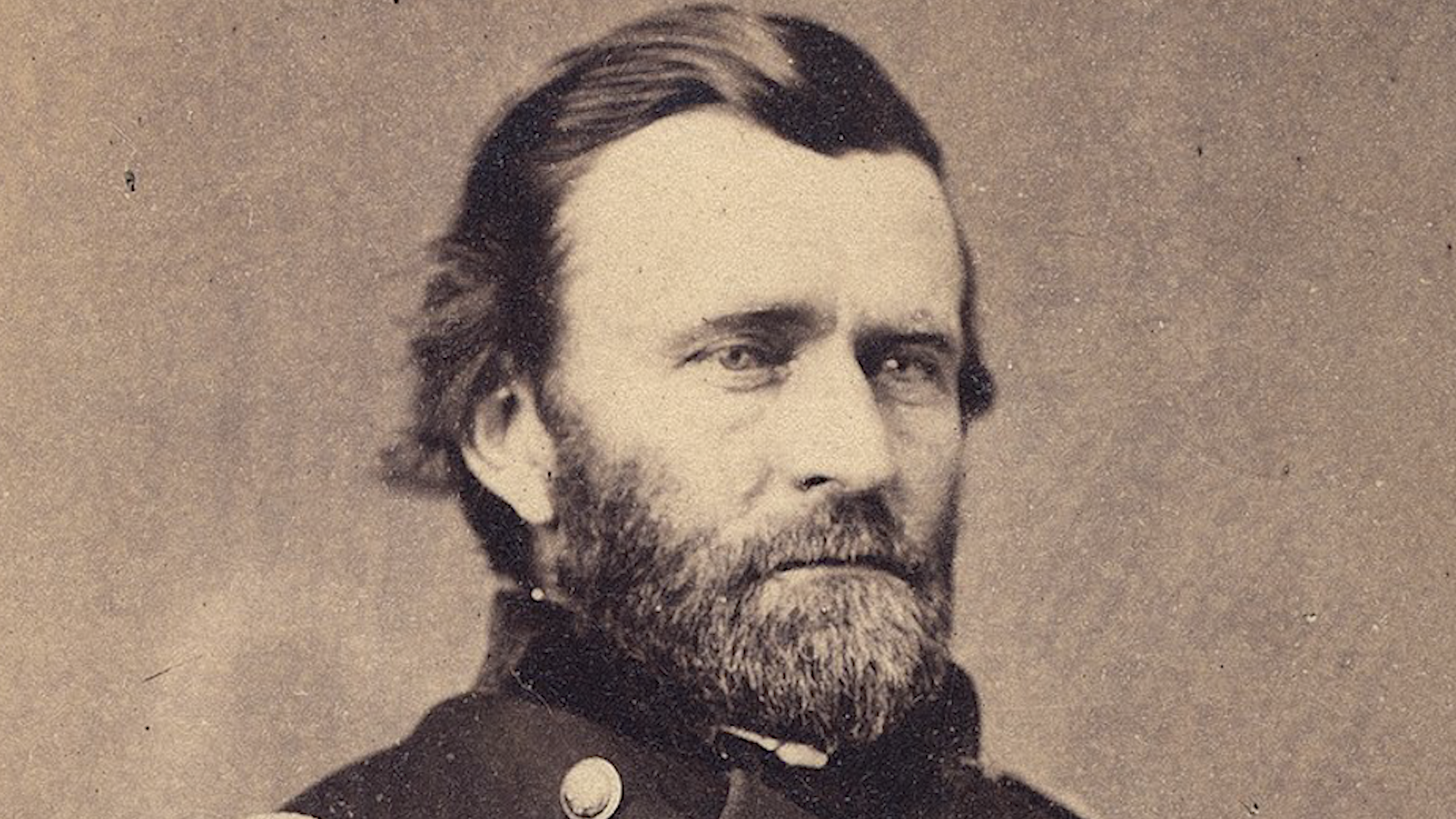
General Ulysses S. Grant leads Union forces in surmounting the insurmountable Vicksburg.
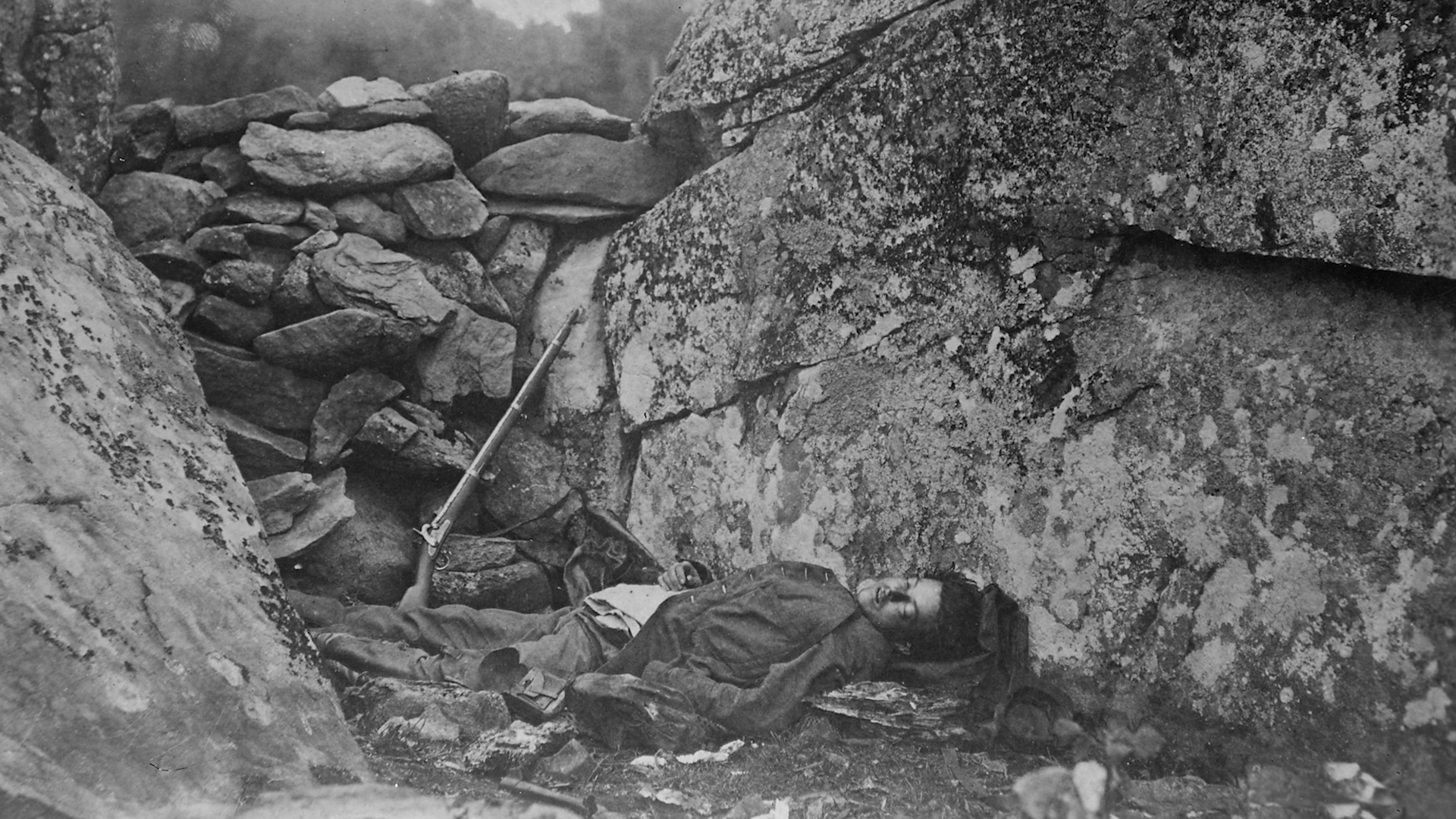
The Union defeats the Confederacy at the Civil War’s most famous battle.
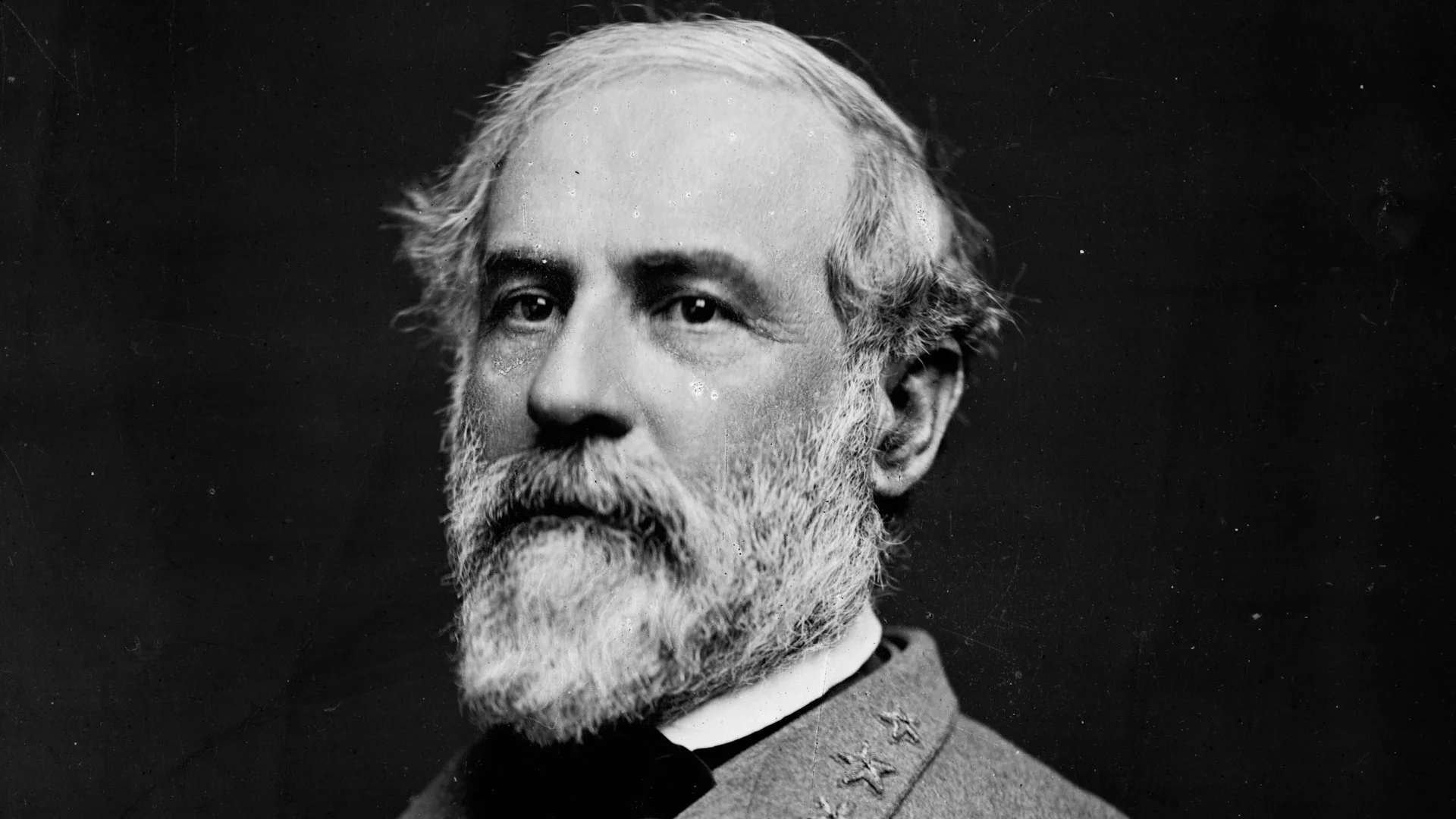
Robert E. Lee routs Gens. Burnside and Hooker in Virginia.
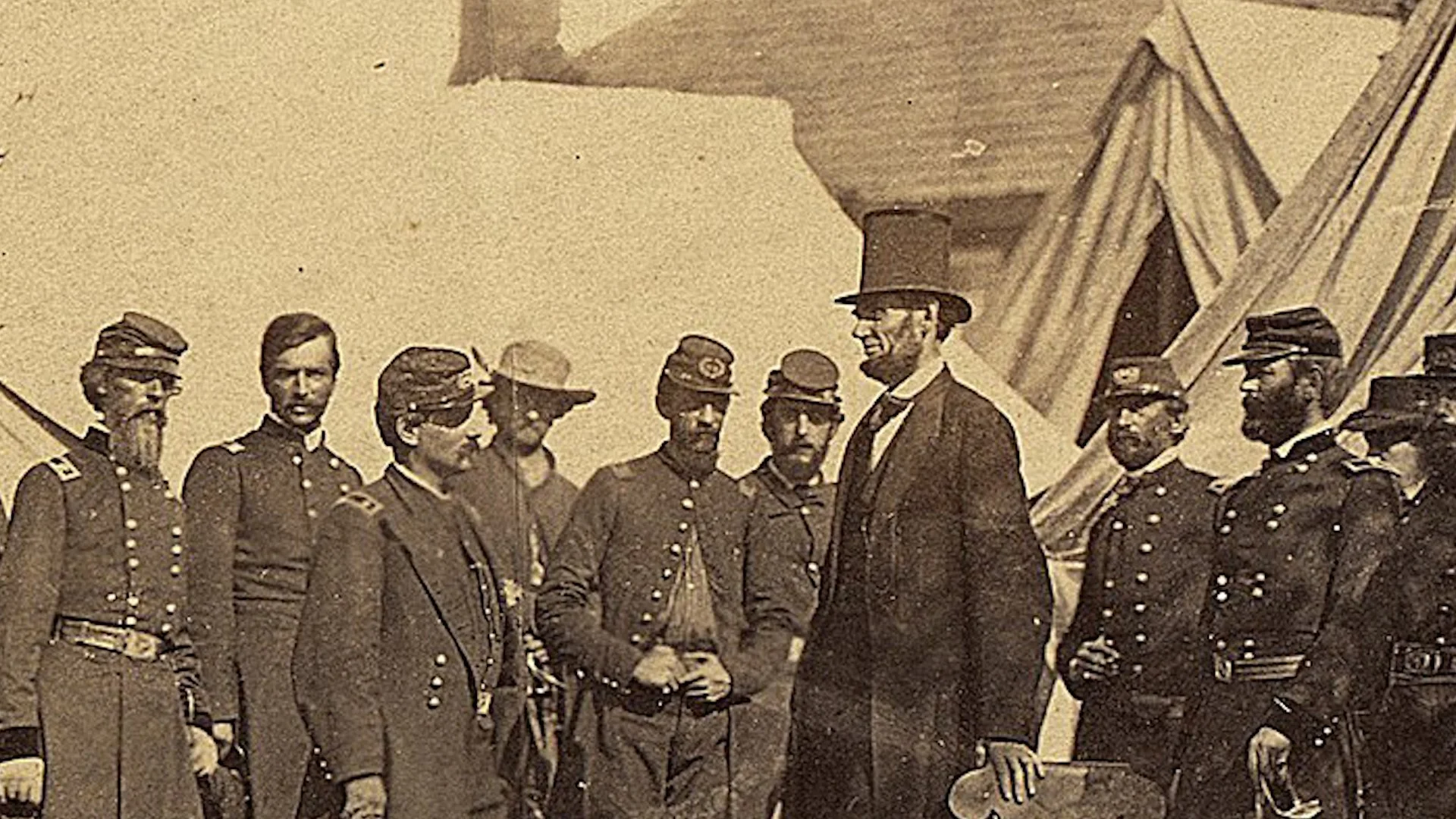
Lincoln issues a wartime military command, freeing slaves in the Confederacy.
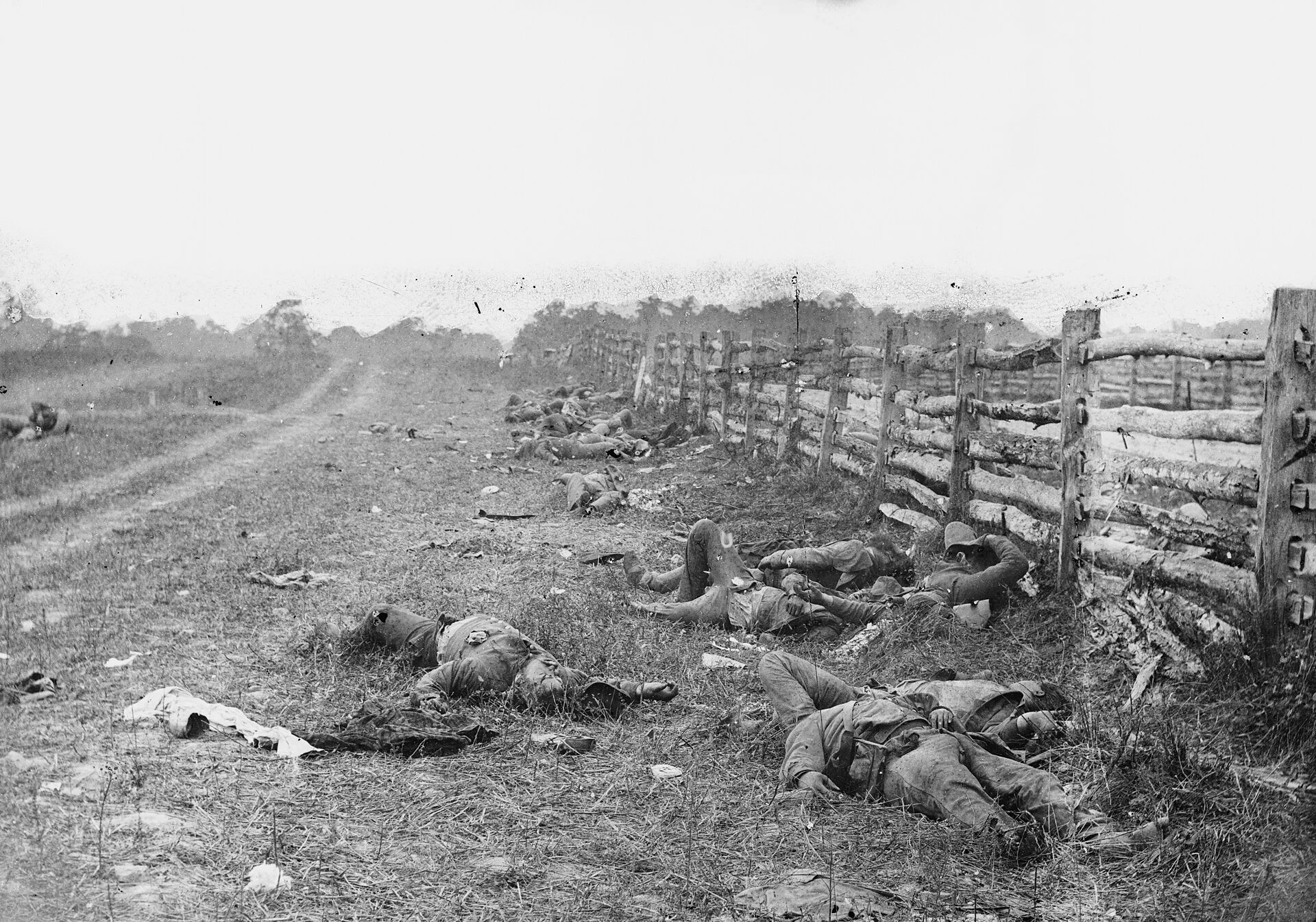
On September 17th, 1862, Americans fought each other to unprecedented carnage.
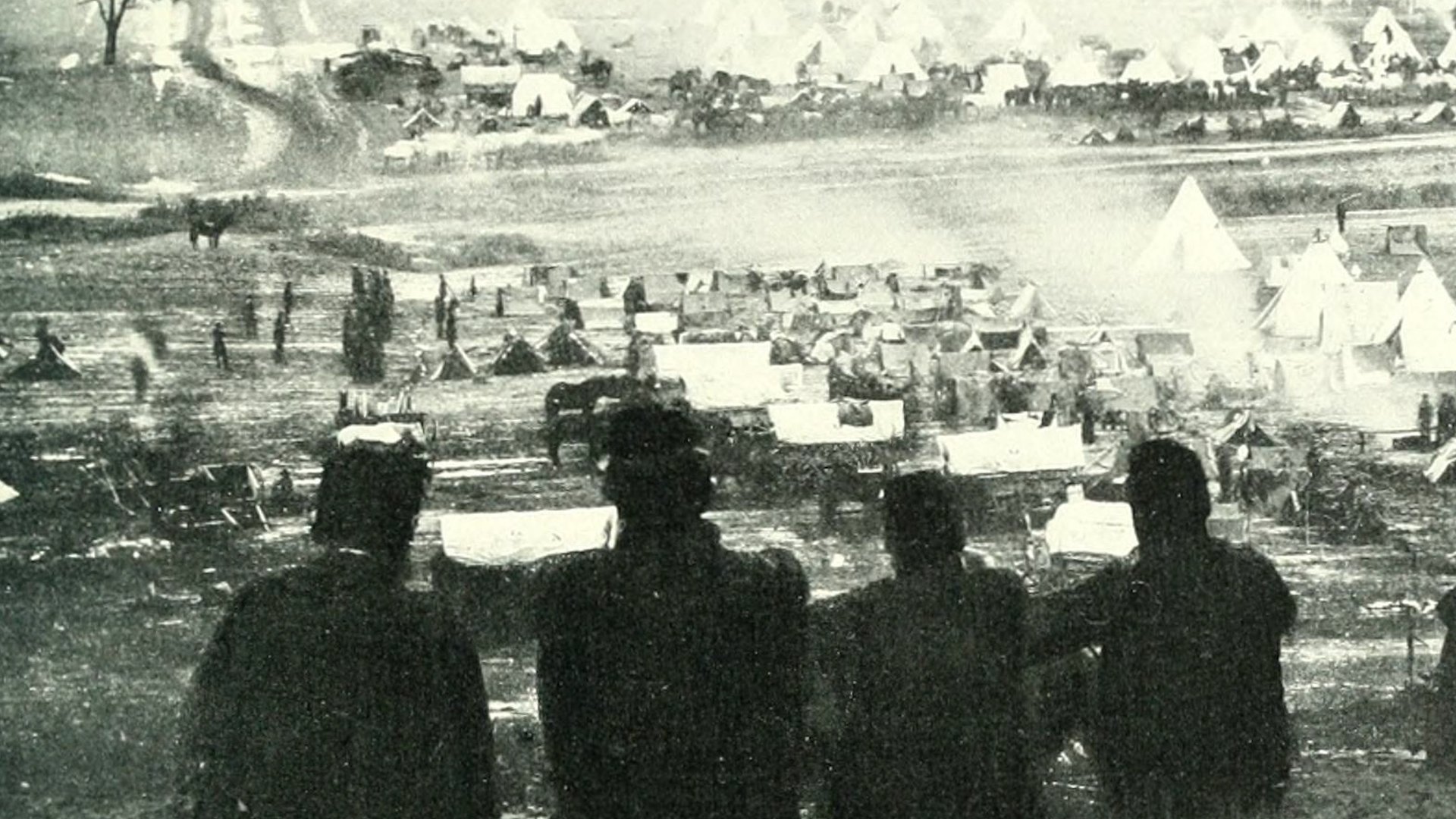
The war shifts east —to Virginia, Robert E. Lee’s home state.
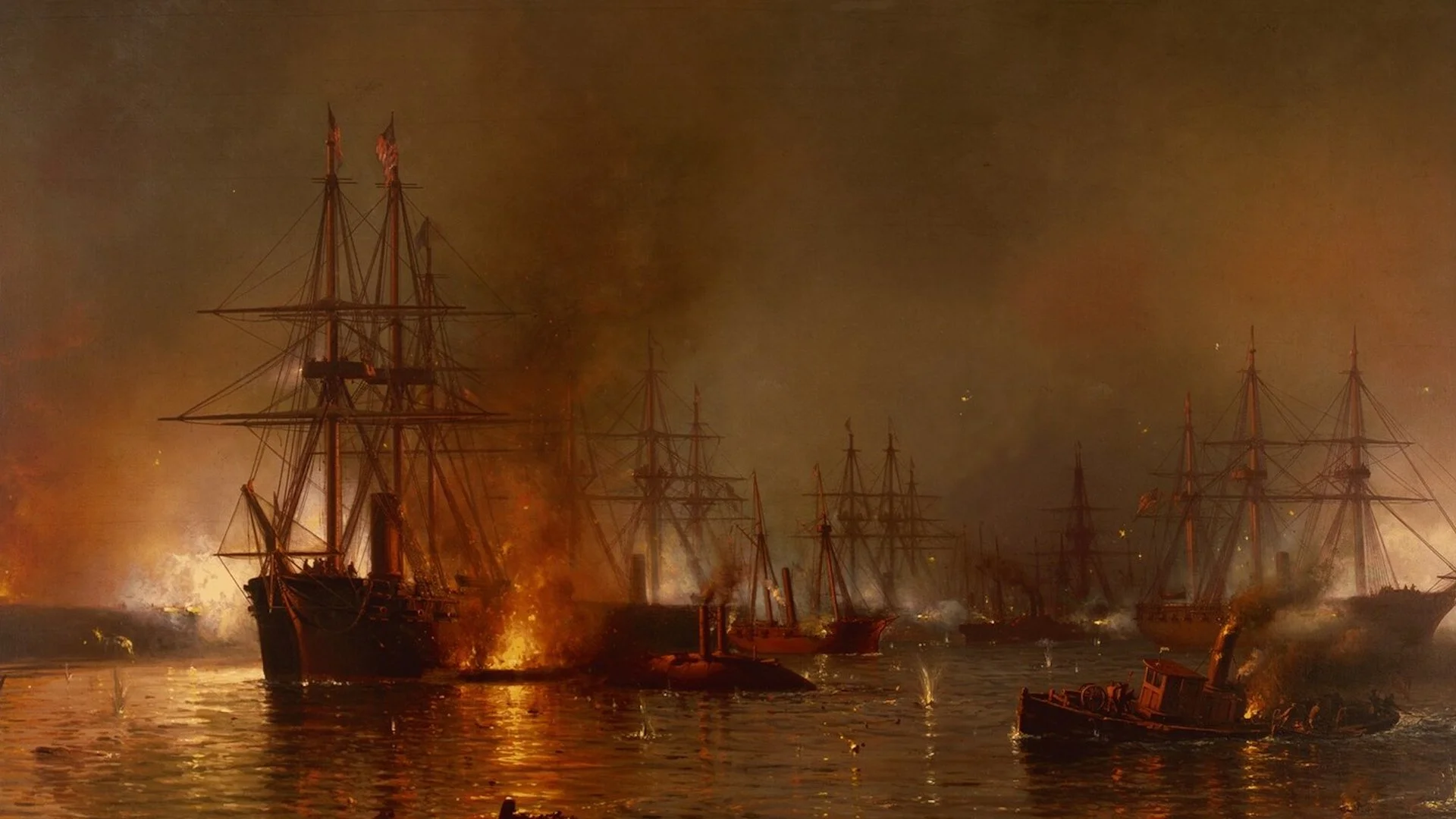
David Farragut leads Union naval efforts along the Mississippi River.
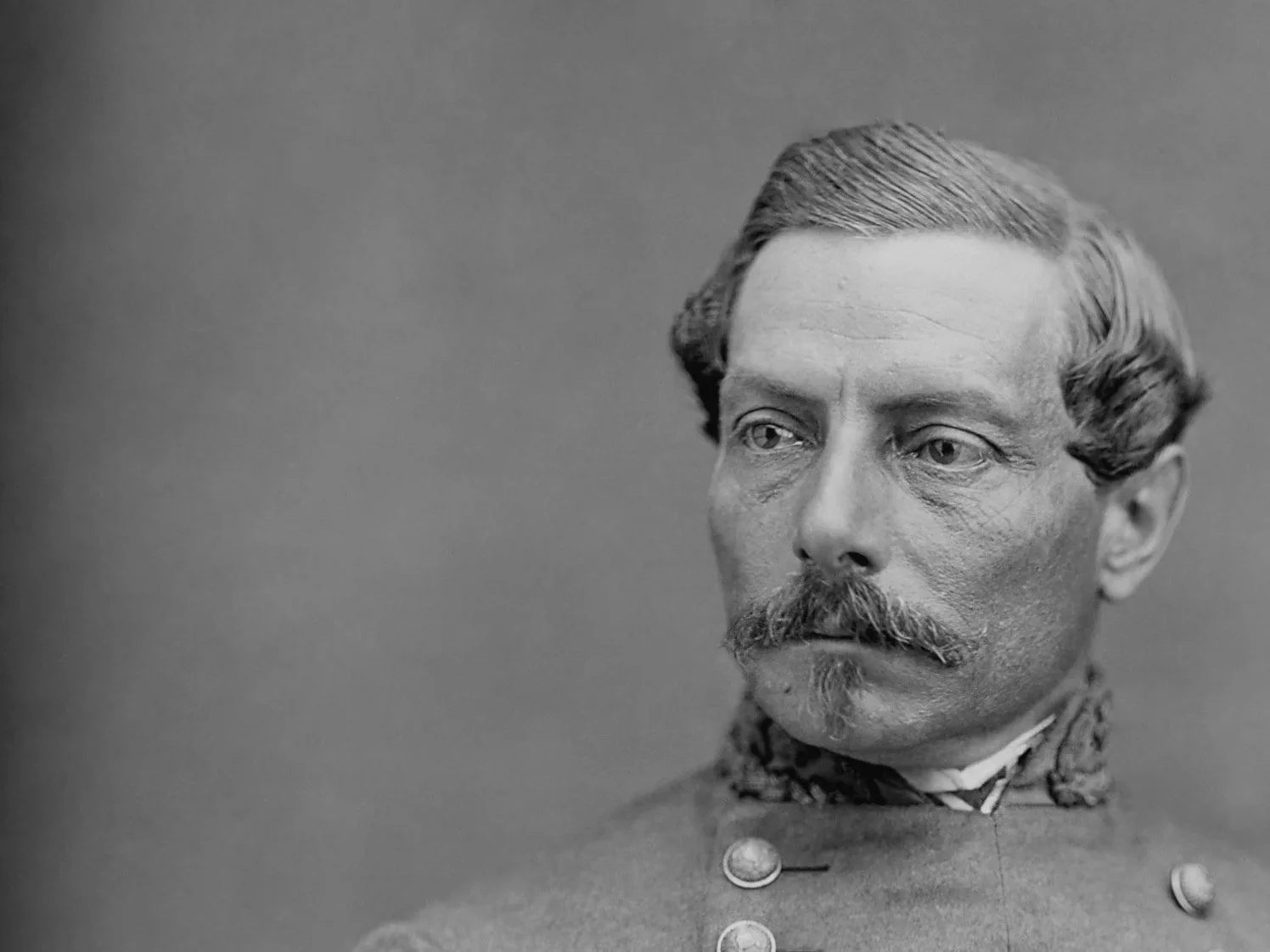
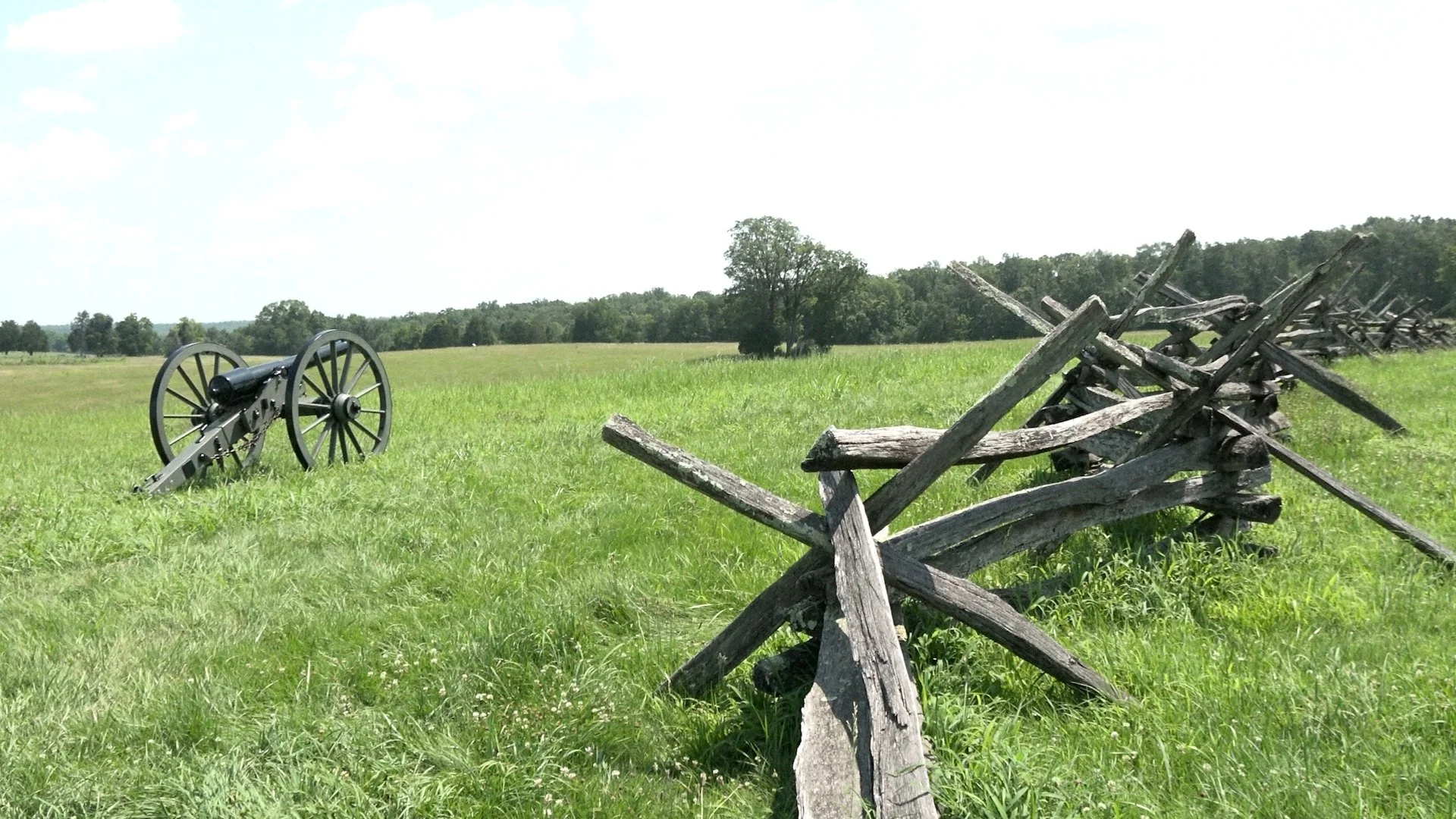
Many hoped that the Civil War would end quickly. The First Battle of Manassas (Bull Run) signaled a different story.
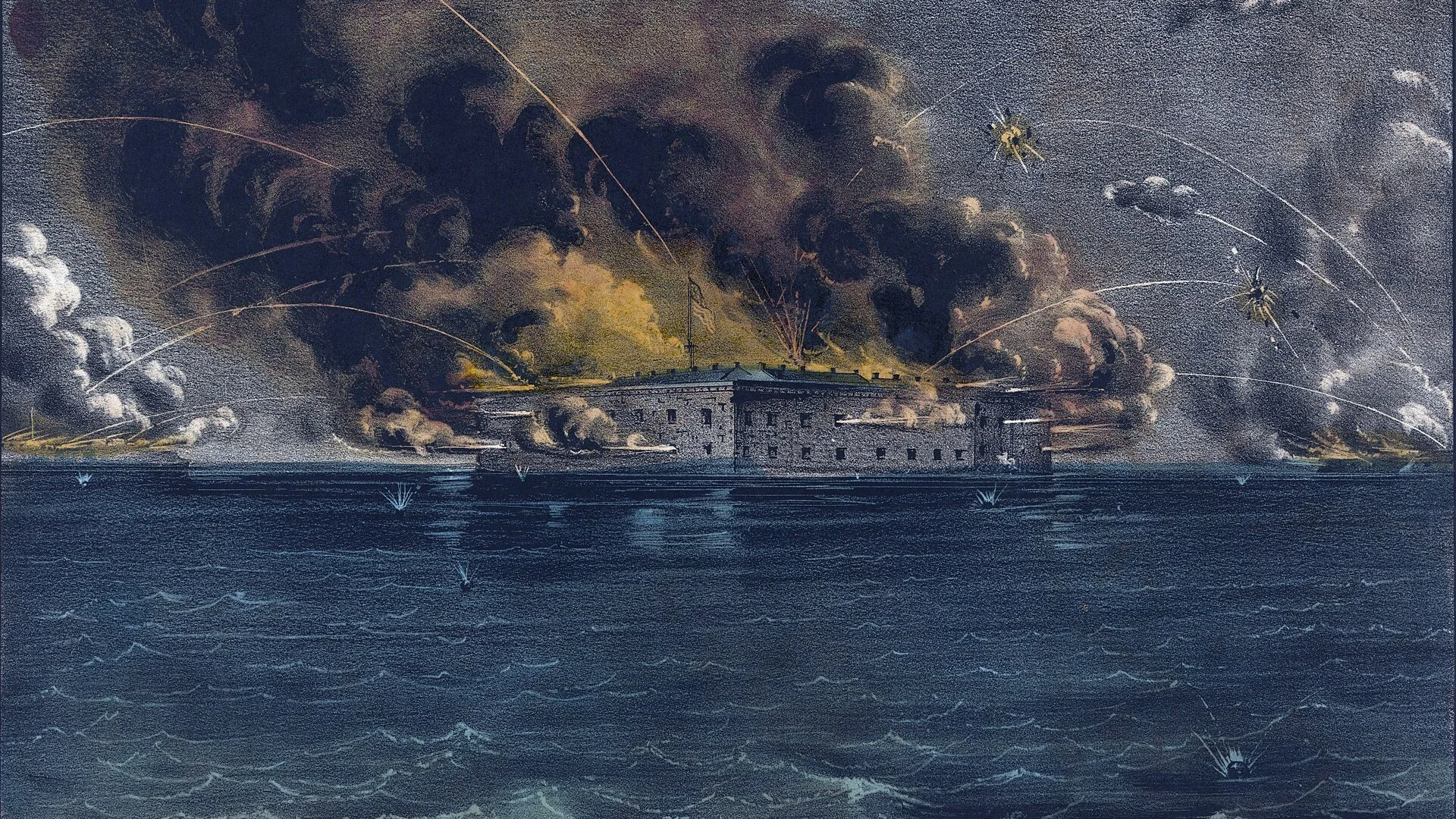
The Confederacy seizes control of a fort in Charleston harbor.
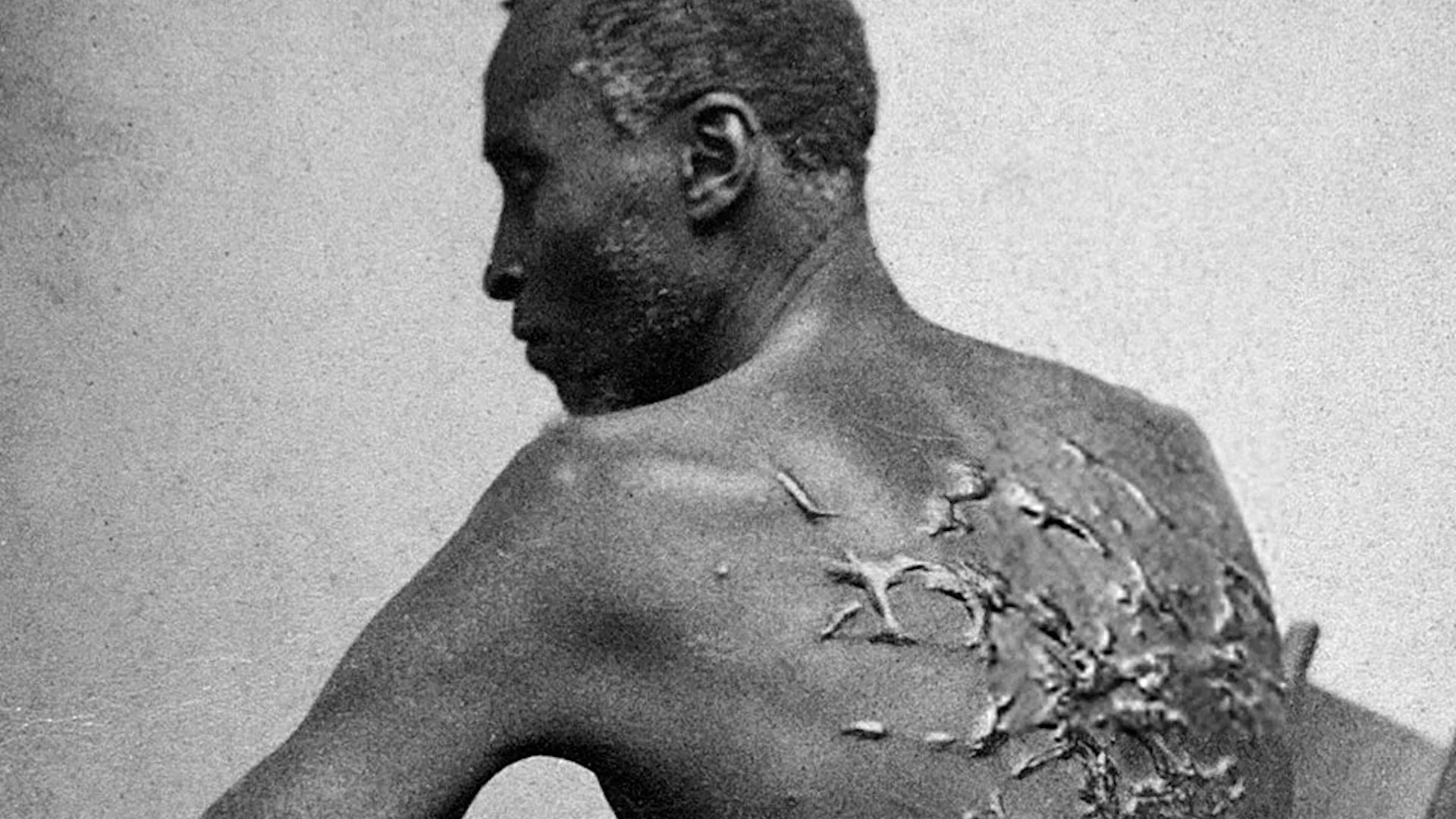
In American history, slavery provided the greatest obstacle to America’s vision of itself as a beacon of liberty.
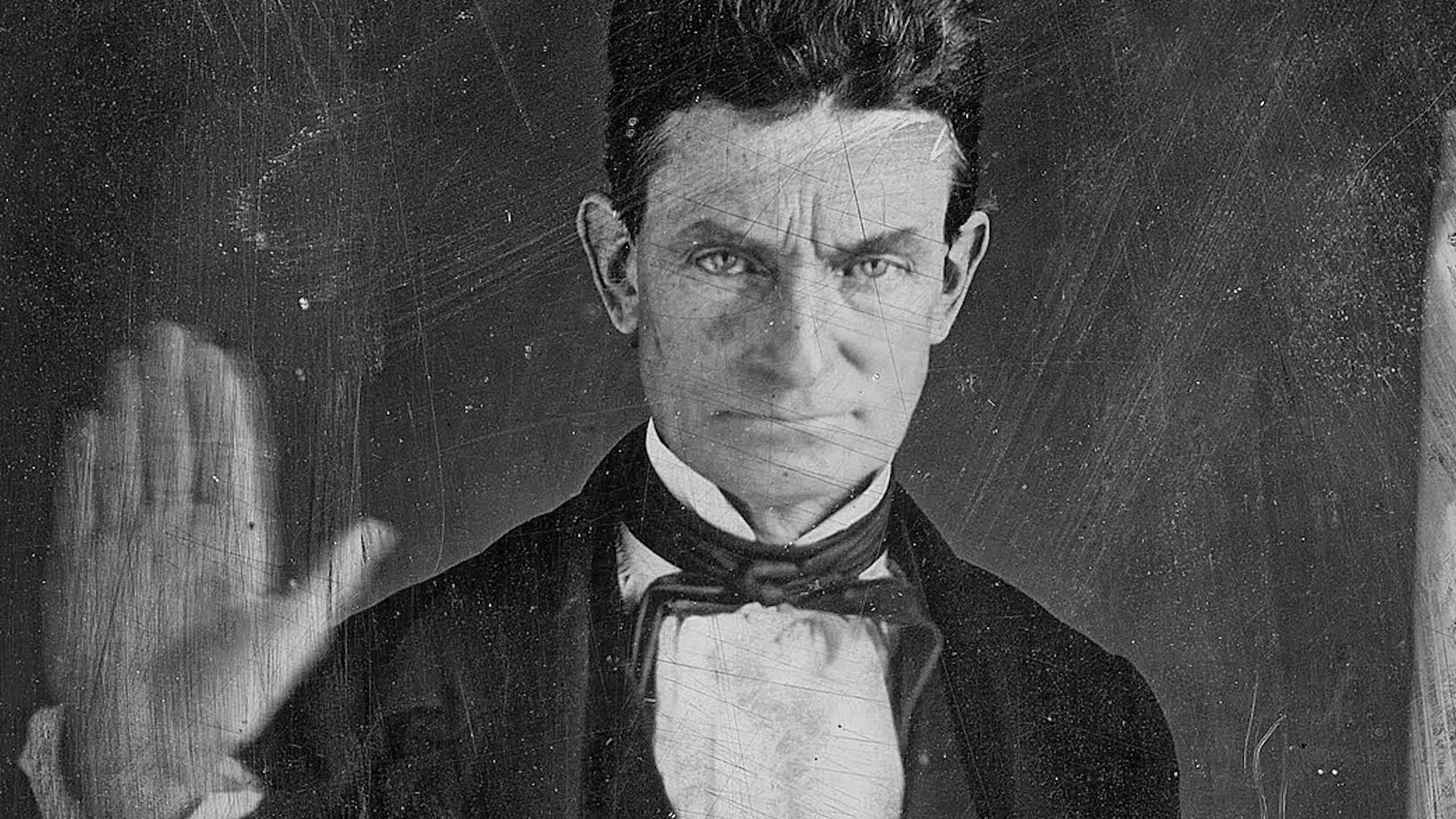
After waging guerilla war on slavery in Kansas, lifelong abolitionist John Brown set his sights on seizing the armory in Harpers Ferry, Virginia and enacting a slave rebellion.
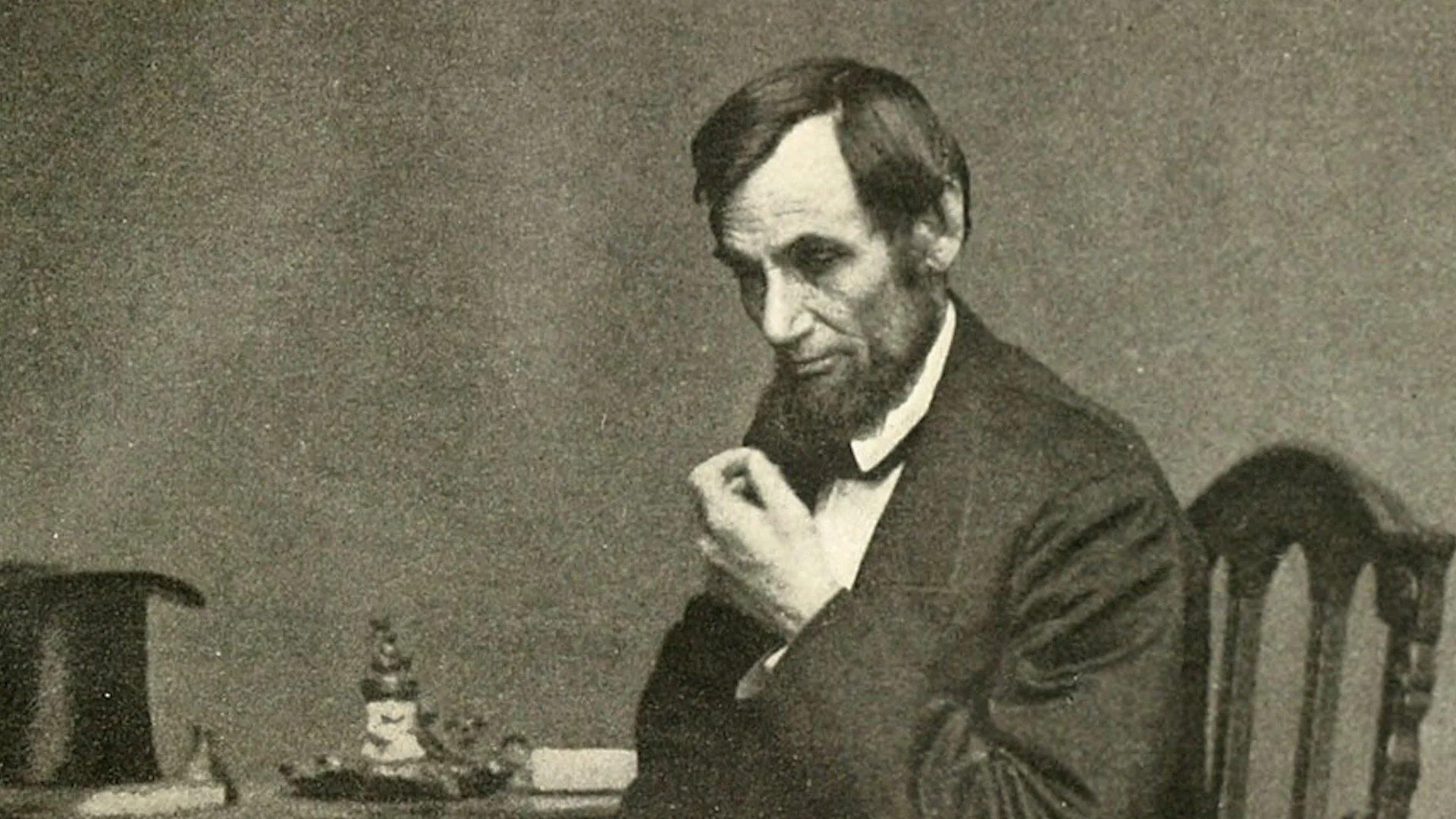
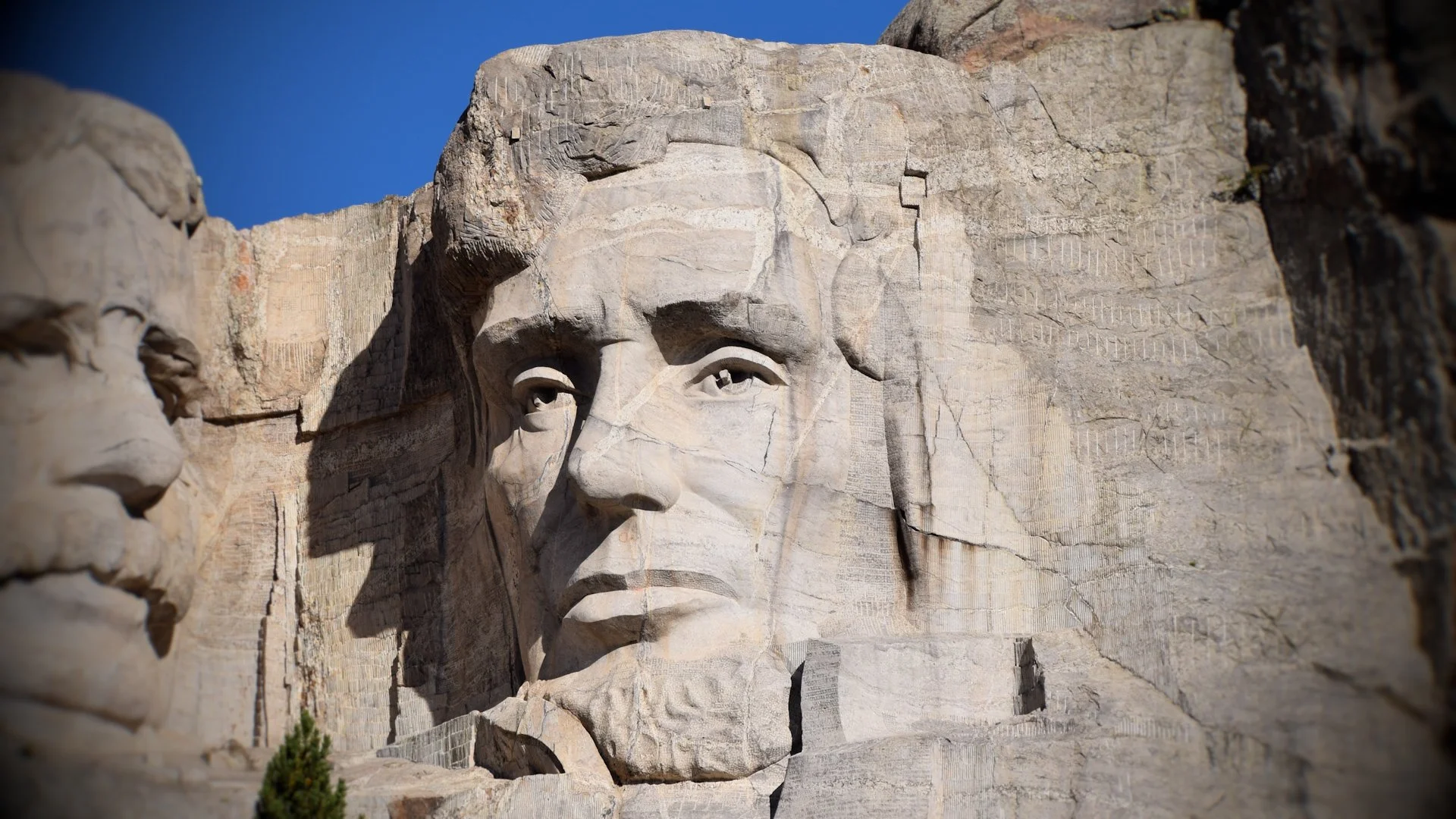
Long before the White House, the Emancipation, or the Civil War, the man who preserved the Union emerged from an unlikely past.