Episode 61 - Chickamauga and Chattanooga
In the fall of 1863, the Union turned its attention to Chattanooga, Tennessee, the most important transportation hub between the western and eastern theaters of the Civil War. A costly Confederate victory at Chickamauga Creek was followed by a two-month siege of the trapped Union army inside Chattanooga. By the end of November, Ulysses S. Grant had taken command in the West, broken the siege, and shattered the Confederate line at Missionary Ridge. The road into the Deep South was open.
Key Takeaways
After the fall of Vicksburg in July 1863, control of Chattanooga, Tennessee became the Union's next major objective. Whoever held Chattanooga held the railroads linking Virginia with the Deep South.
At Chickamauga Creek on September 19 and 20, a phantom gap in the Union line let James Longstreet's Confederates smash through the Union center. Almost a third of William S. Rosecrans's army fled toward Chattanooga.
George H. Thomas held what was left of the Union line through repeated assaults that afternoon and earned the nickname "the Rock of Chickamauga." Confederate casualties topped 18,000, nearly a third of Bragg's force.
Bragg besieged Chattanooga for two months. Soldiers survived on reduced rations and horses starved. 20,000 Union reinforcements under Joseph Hooker moved more than 1,200 miles by rail in eleven days, one of the largest pre-twentieth-century military movements ever attempted.
Lincoln created the Division of the Mississippi, gave Grant command of all Union forces in the West, replaced Rosecrans with Thomas, and opened a supply route called the "cracker line."
On November 25, 1863, four Union divisions (23,000 men) charged Missionary Ridge in what looked like a Union version of Pickett's Charge. They took the Confederate trenches, kept climbing, and broke the rebel line. Bragg resigned. Grant emerged as the Union's leading general.
Sign up here to be the first to know about new History250 releases, content & resources!
Questions & Answers (FAQ)
Q1: Why was Chattanooga so important to both sides?
Chattanooga was the rail hub linking the Deep South to Virginia and the eastern Confederacy. Whoever controlled the city controlled the movement of Confederate supplies and reinforcements between the two theaters. It also sat in a natural gateway between Appalachia and the Deep South. After Vicksburg fell in July 1863, Chattanooga became the next strategic objective in the West.
Q2: Why did the Union lose at Chickamauga?
On September 20, 1863, a Union officer mistakenly reported a gap in the Federal line. Troops shifted to fill the phantom gap, which created a real one. James Longstreet's Confederates surged through the opening and smashed the Union center. About a third of Rosecrans's army fled toward Chattanooga. The collapse was a tactical disaster, though George H. Thomas held the rest of the line through the afternoon.
Q3: Who was "the Rock of Chickamauga"?
George H. Thomas. After Longstreet's breakthrough on September 20, Thomas rallied the remaining Union forces and held the line through repeated Confederate assaults. His stand bought time for the rest of the army to retreat into Chattanooga and earned him the nickname. Lincoln later promoted him to command the Army of the Cumberland.
Q4: How did Hooker's reinforcement reach Chattanooga so fast?
On September 25, 1863, more than 20,000 Union troops left the Army of the Potomac and traveled by rail across more than 1,200 miles of Union territory, crossing the Appalachians and the Ohio River twice. They arrived near Chattanooga eleven days later with artillery, horses, and supplies. Not until the twentieth century would such a large force move so quickly.
Q5: Why was the charge up Missionary Ridge so famous?
On November 25, 1863, Thomas's four divisions (about 23,000 men) attacked across open ground at the base of Missionary Ridge. The assault looked impossible, the Union's own version of Pickett's Charge. After taking the first line of trenches, Federal troops kept climbing the ridge, many shouting "Chickamauga!" Confederate defenders, expecting the Union assault to stop at the lower trenches, could not reorganize in time. The rebel line broke. The victory ended the siege of Chattanooga, ended Bragg's career, and made Grant the Union's leading general.
The Stakes at Chattanooga
The fall of Vicksburg in July 1863 split the Confederacy along the Mississippi River. Now, the Union had its eye on the most important transportation hub between the western and eastern campaigns: Chattanooga, Tennessee. Whoever controlled Chattanooga controlled key railroads linking the Deep South with Virginia and the eastern Confederacy, as well as a natural gateway between Appalachia and the Deep South. Through the early autumn of 1863, the South held this vital city, one hundred miles west of the Smoky Mountains. By the end of November 1863, that Confederate advantage would disappear, striking a major blow against rebel hopes.
Rosecrans Maneuvers Bragg Out of Tennessee
In June 1863, Union General William S. Rosecrans maneuvered Confederate General Braxton Bragg out of Middle Tennessee and forced him to retreat toward Chattanooga. President Lincoln urged Rosecrans to move quickly while Bragg was on his heels. Rosecrans threatened Chattanooga from the north while quietly moving much of his army south of the city. At the same time, Ambrose Burnside entered East Tennessee and captured Knoxville without resistance. Pressured from multiple directions, Bragg retreated into northern Georgia. Jefferson Davis reinforced Bragg with troops from Mississippi under Joseph E. Johnston and others from Virginia under James Longstreet.
The Battle of Chickamauga Begins
On September 19, Union and Confederate patrols collided near Chickamauga Creek. Bragg hoped to turn Rosecrans's left flank and cut the Union army off from Chattanooga. A critical moment came through confusion. A Union officer mistakenly reported a gap in the Federal line. Troops shifted to reinforce an opening that did not exist, unintentionally creating a real gap. Longstreet and his troops surged through the opening, smashing the Union center. Nearly one-third of Rosecrans's army fled toward Chattanooga, and Rosecrans himself retreated.
The Rock of Chickamauga
Yet the Union army did not collapse. General George H. Thomas rallied the remaining troops and held firm. Reinforced by Gordon Granger's divisions, Thomas resisted repeated Confederate assaults through the afternoon. His stand earned him the nickname "The Rock of Chickamauga." By nightfall, however, Union survivors withdrew into Chattanooga. Bragg had won a dramatic battlefield victory, but at enormous cost: over 18,000 Confederate casualties, nearly one third of Bragg's men.
The Siege of Chattanooga
After Chickamauga, many expected Bragg to launch an immediate assault against the trapped Union army. Instead, shocked by his losses, he hesitated. Confederate artillery surrounded the heights above Chattanooga. Cavalry and infantry cut roads and supply lines. The rebels were helped by the natural surroundings, as mountains and rivers boxed the city in. For about two months, Union troops remained besieged. Soldiers survived on reduced rations. Horses starved. Rosecrans struggled to restore confidence after defeat.
Hooker's 1,200-Mile Reinforcement
Reinforcements from the Army of the Potomac were sent west under Joseph Hooker's command. On September 25, he and his troops began a journey by train of more than 1,200 miles across Union territory, crossing the Appalachians and the Ohio River twice. Not until the twentieth century would such a large force move so quickly as did Hooker and his army. Eleven days later, more than 20,000 soldiers arrived near Chattanooga with artillery, horses, and supplies.
Lincoln Promotes Grant and Opens the Cracker Line
Lincoln then made two major decisions. He created the Division of the Mississippi and placed Ulysses S. Grant in command of Union forces in the West. He also removed Rosecrans and promoted Thomas to lead the Army of the Cumberland. Grant arrived in Chattanooga in October. Within days, Union engineers opened a supply route known as the "cracker line," allowing food and ammunition to reach the city. The Confederates still held Lookout Mountain and Missionary Ridge, which overlooked Chattanooga. Yet Bragg's army suffered from growing internal division. Several subordinates had lost confidence in his leadership. The Confederate president traveled west to settle the growing dispute. Many officers urged Davis to replace Bragg, but no clear successor emerged. And so Bragg remained. Soon afterward, Davis dispatched Longstreet with part of the army to campaign against Knoxville. The effort failed and weakened Confederate strength around Chattanooga.
The Coordinated Attack on November 23
Grant prepared a coordinated attack for November 23. Sherman would strike one Confederate flank, Hooker the other, while Thomas would threaten the center at Missionary Ridge. Sherman encountered fierce resistance. Hooker won on his end of the Confederate line, but then his attempt to support Sherman was obstructed because the rebels had burned bridges over Chattanooga Creek. To prevent Confederates from shifting reinforcements, Grant ordered Thomas to attack the first line of trenches at Missionary Ridge.
The Charge Up Missionary Ridge
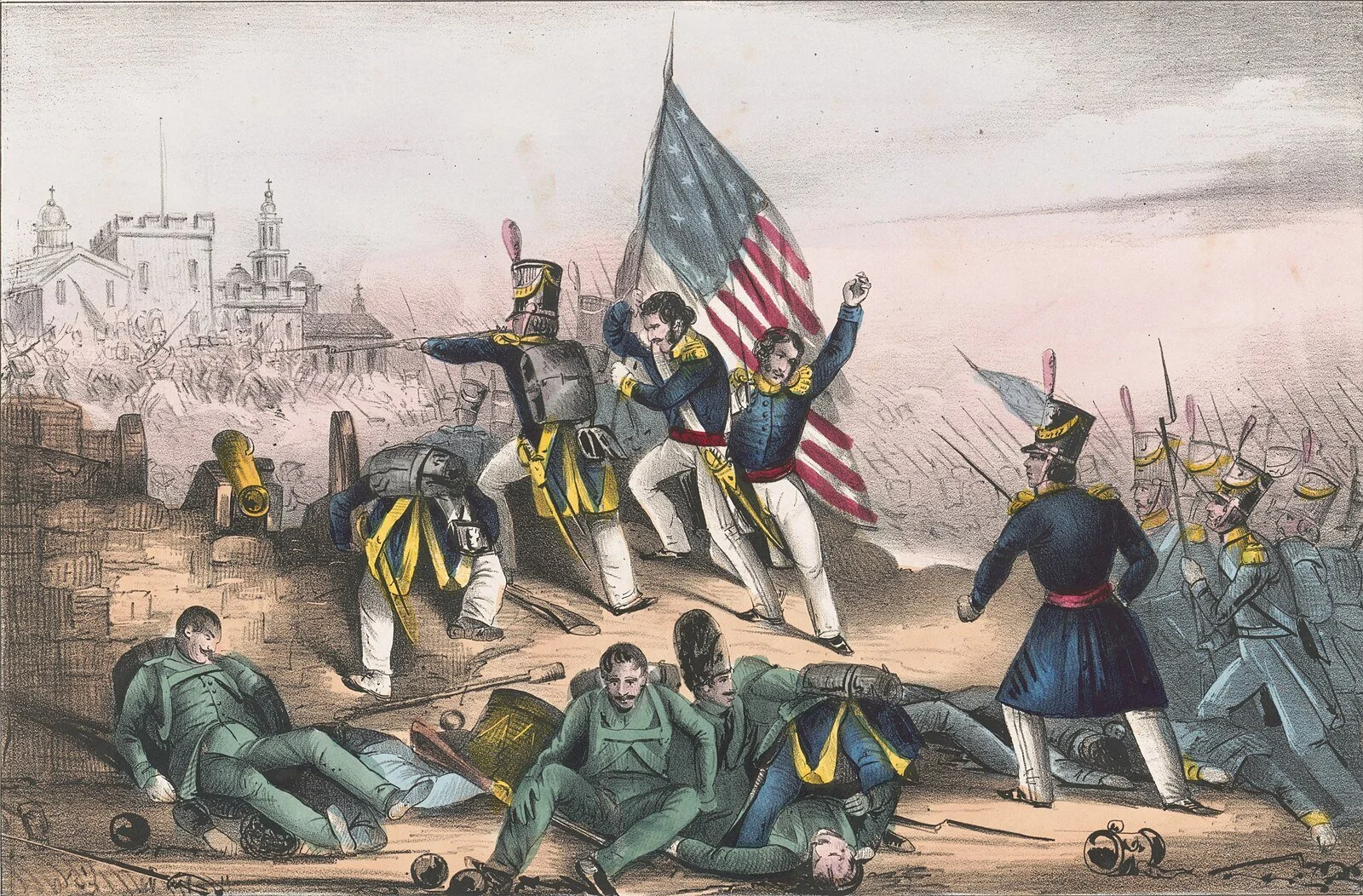
Thomas sent four divisions, 23,000 men, across open ground toward fortified Confederate positions. The assault appeared nearly impossible, likely a Union version of Pickett's Charge. Yet Union troops captured the first trenches with surprising ease. Then they continued uphill. Many shouted "Chickamauga!" as they climbed, determined to erase the memory of defeat. Confederate defenders, expecting the Union assault to halt at the lower line, struggled to reorganize. Federal troops reached the crest of Missionary Ridge and overwhelmed positions there. The Confederate army broke and retreated in disorder.
Bragg Resigns, Grant Rises
After the battle, Bragg resigned his post, writing to Davis, "I fear we both erred in the conclusion for me to retain command here after the clamor raised against me." By November 25, victory at Chattanooga was Grant's. He had now emerged as the Union's leading general. After Chattanooga, the road into the Deep South lay open. For historical maps of the Chickamauga and Chattanooga campaigns, visit the HISTORY250® maps library.