Episode 6 - The British, Here to Stay
The first British colony at Roanoke was lost. But the British had arrived again, and this time, despite monumental challenges and great suffering, they were here to stay. In 1607, three ships carrying just over 100 settlers founded Jamestown, Virginia, the first permanent English settlement in America. What followed would test them to the breaking point.
Key Takeaways
Jamestown was established May 14, 1607, the first permanent English settlement in America, named in honor of King James I
By early 1610, disease and starvation during the 'Starving Time' had killed 80–90% of the 500 settlers
John Smith's rule, 'he that will not work shall not eat', saved the colony from total collapse
John Rolfe's 1612 tobacco crop became the economic engine that secured Jamestown's survival
In 1619, three formative events occurred: the first elected representative assembly in the colonies (the House of Burgesses), the first documented sale of African slaves to English settlers, and the arrival of the 'tobacco brides'
Sign up here to be the first to know about new History250 releases, content & resources!
FAQ - Frequently Asked Questions
Q1: When was Jamestown founded and why does it matter?
Jamestown was founded on May 14, 1607, making it the first permanent English settlement in America. It established the framework for English colonization of the eastern seaboard. The institutions born at Jamestown, including the first elected legislative body in colonial America (the House of Burgesses), laid the groundwork for American democratic governance.
Q2: What was the Starving Time?
The Starving Time was the winter of 1609–1610, when Jamestown's food supply ran critically low after John Smith's departure. Settlers resorted to eating horses, dogs, cats, shoe leather, and in some cases the dead. By early 1610, disease and starvation had killed 80–90% of the 500 settlers in the colony.
Q3: What were the three formative events of 1619 in Jamestown?
Three landmark events occurred in quick succession. First, colonists elected representatives to the House of Burgesses, the first representative legislative assembly in colonial America. Second, an English privateer sold more than 20 Angolans to the settlers, the first documented sale of Africans to English colonists in America. Third, 90 young women arrived and married colonists of their own free will; called 'tobacco brides,' their arrival signaled a permanent English society taking root.
Three Ships and a Charter
The year was 1606, almost two decades after the English colonists at Roanoke had vanished. King James I granted the Virginia Company of London a charter for the purpose of establishing a permanent settlement on America's eastern seaboard. In December 1606, about 100 men and a handful of boys, plus captains and crew members who were not settlers, set out for Virginia. They sailed on three ships: the Susan Constant, the Godspeed, and the Discovery. The voyagers reached the Chesapeake Bay in late April of 1607. On May 14th, they established the first permanent British settlement in America.
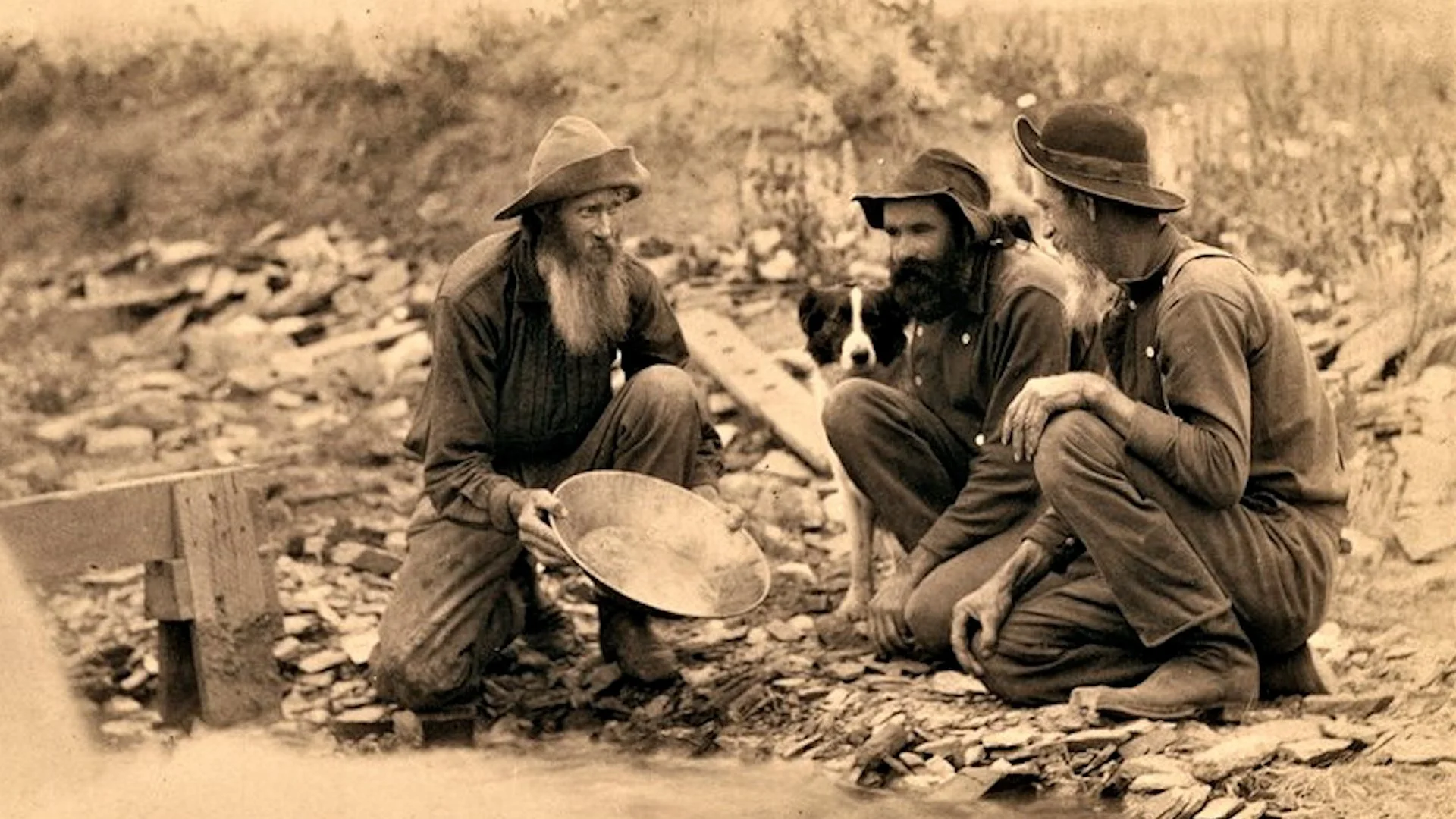
It was an island along a great river. In honor of their king, the settlers chose the names Jamestown and James River. By June 1607, the Jamestown settlers had built a triangular fort, replete with artillery at each corner. One week later, Captain Christopher Newport took the Susan Constant and the Godspeed back to England for supplies. Among the settlers left behind, most had no farming experience. Many spent their days looking for gold. No adequate amount of land was cultivated. The settlers went hungry. They failed to build a freshwater well and resorted to drinking from the James River, salty at high tide, slimy at low. The toxic river water compounded disease. Some relief came from the local Powhatan Indians. Their gifts of food saved the settlers from total starvation. The English had already failed once, as we cover in our episode on the lost colony of Roanoke.
John Smith and the Rule That Saved Jamestown
Then in December of 1607, Captain John Smith was captured by a Powhatan hunting party and marched to the capital of the Powhatan chiefdom, Werowocomoco. According to Smith's telling of events, tribesmen dragged him to a pair of stones before Chief Powhatan. One native raised his club to beat Smith's head. Then the chief's 11-year-old daughter, Pocahontas, intervened. She laid her own head on his. Her father brought an end to the ritual and commuted Smith's death sentence. When in January of 1608 Christopher Newport returned to Jamestown with fresh settlers and supplies, only about 38 of the original colonists had survived. In September that same year, Smith was elected as the colony's president. He instituted a new rule: he that will not work shall not eat. The men planted crops, dug a well, and traded with the Indians for food. Under Smith's strict leadership, few of the settlers died. His firm hand, however, grew unpopular.
In the fall of 1609, Smith lay asleep aboard a boat on the river when his gunpowder bag exploded. He suffered a severe burn. Shortly afterward, he was deposed from the presidency, left Jamestown forever, and returned to England. In the winter of 1609 to 1610, the colonists' rations ran dangerously low, the starving time. Settlers resorted to eating horsemeat, dogs, cats, and shoe leather. According to George Percy: "Now famine beginning to look ghastly and pale in every face. Nothing was spared to maintain life and to do those things that seem incredible. Even the dead were not spared." Disease compounded starvation. By early 1610, 80 to 90% of the 500 settlers had died. A different group of English settlers would arrive on the Massachusetts coast just over a decade later, the story told in our episode on the Pilgrims and Plymouth.
Tobacco, Pocahontas, and Three Formative Events
Then new settlers arrived. Among them was John Rolfe. In 1612, he planted a new type of tobacco seed from the West Indies. The lucrative exportation of tobacco that followed would save the Jamestown colony. In 1614, Rolfe married Pocahontas, Chief Powhatan's daughter. Their union fostered a time of peace between the natives and the settlers.
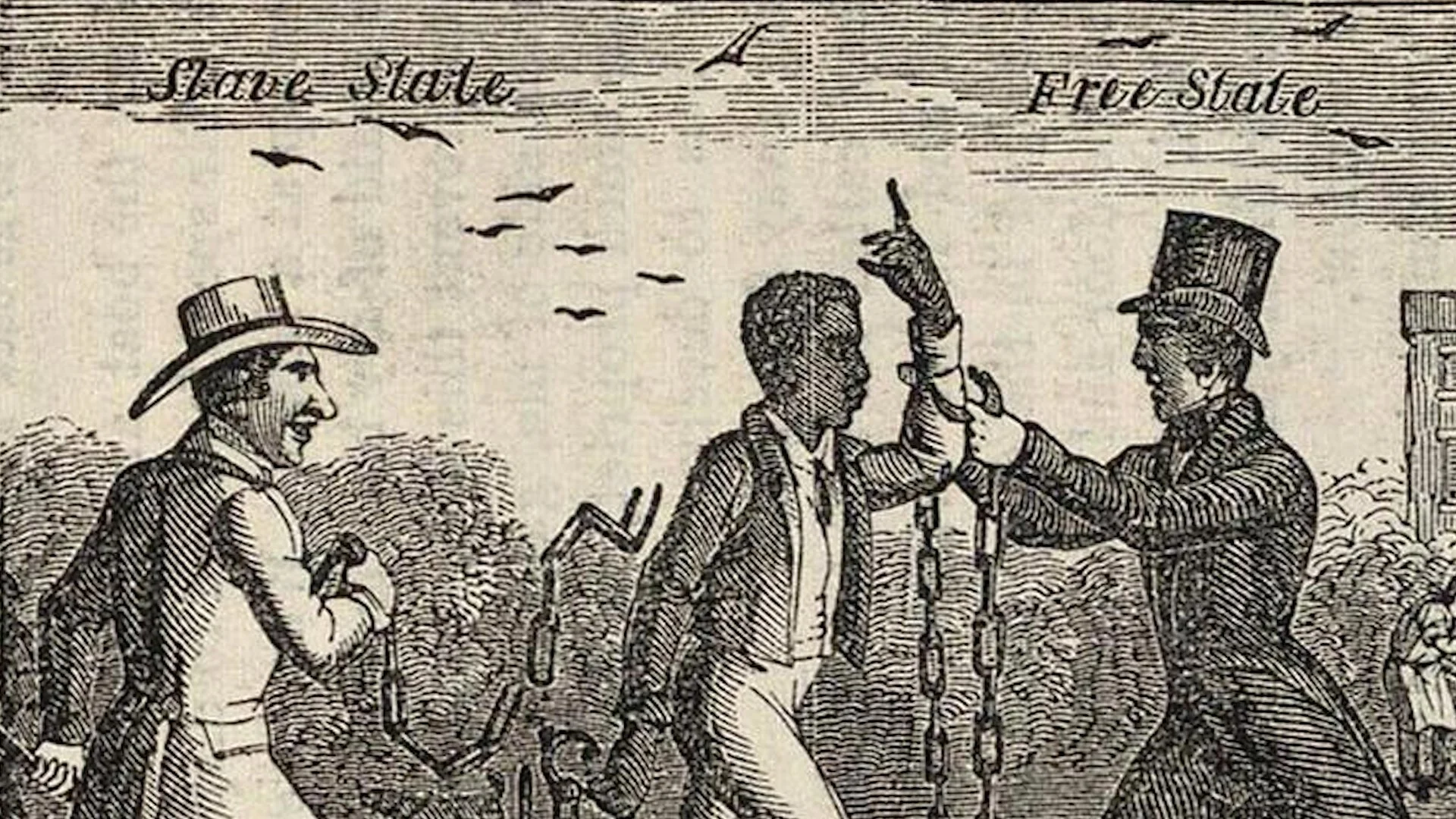
Between 1619 and 1620, three formative events took place in Jamestown. First, the Virginia colonists elected representatives to the House of Burgesses, the first representative body of the colonial era and the beginning of representative government in America. Shortly after the election, an English privateer sold more than 20 black Angolans to the Jamestown settlers in exchange for food, stolen from a Portuguese slave ship. It is not clear whether the Angolans were treated as slaves or indentured servants; legal slavery would not be recognized in Virginia until more than four decades later.
Finally, late in 1619, 90 young women sailed to Jamestown. These women were not sold to the men in the colony, but married them of their own free will. Their new husbands, however, did pay the Virginia Company for their wife's dowries and travel expenses in tobacco. The new wives were dubbed tobacco brides. Their arrivals signaled a permanence to the English presence in America as families began to form. As more settlements were established, Jamestown served as the capital and seat of government in Virginia. By 1699, Williamsburg absorbed both responsibilities. In 1907, the 300th anniversary of the founding of Jamestown was celebrated in Norfolk, Virginia. Theodore Roosevelt spoke at the opening ceremonies. The land Jamestown was built on had supported native peoples for thousands of years, as we cover in our episode on the first Americans.