Episode 62 - Forty Days of Death
In 1864, Ulysses S. Grant took command of all Union armies and moved to Virginia to confront Robert E. Lee. Over six brutal weeks, the two generals fought from the Wilderness through Spotsylvania and Cold Harbor, producing an estimated 88,000 combined casualties. Grant never retreated. By mid-June he had crossed the James River and begun a siege of Petersburg, the railroad hub that kept Richmond alive. The Overland Campaign did not destroy Lee's army, but it pinned the Confederates in place. The war's end was now a matter of time.
Key Takeaways
In 1864, Grant took command of all Union armies. He moved east to lead the Army of the Potomac against Lee in Virginia while ordering Sherman to push south through Georgia.
The Battle of the Wilderness (May 5 to 6, 1864) was fought in dense woods where Union troops could not exploit their numerical advantage. The Union suffered 17,500 casualties to the Confederacy's 13,000. Unlike every previous commander, Grant did not retreat north. He moved south.
At Spotsylvania (May 8 to 21), the armies fought for two weeks. The climax came at the Bloody Angle on May 12, where soldiers fought hand to hand for eighteen hours in rain and mud. Combined casualties exceeded 31,000.
At Yellow Tavern on May 11, Philip Sheridan's cavalry destroyed twenty miles of railroad and three weeks of Confederate rations. J.E.B. Stuart, one of the Confederacy's most celebrated cavalry commanders, was mortally wounded.
At Cold Harbor on June 3, Grant ordered a frontal assault against fortified Confederate breastworks. Around 7,000 Union soldiers fell compared to roughly 2,500 Confederates. Grant later wrote, 'I regret this assault more than any one I have ever ordered.'
On June 12 to 13, Grant moved his army across the James River to besiege Petersburg, the railroad hub that supplied Richmond. Lee did not fully grasp the movement until the Union was already crossing. The Overland Campaign's six weeks produced roughly 55,000 Union and over 33,000 Confederate casualties.
Sign up here to be the first to know about new History250 releases, content & resources!
Questions & Answers (FAQ)
Q1: What was the Overland Campaign?
The Overland Campaign was a series of battles fought in Virginia from May 4 to June 24, 1864, between Ulysses S. Grant's Union forces and Robert E. Lee's Confederate Army of Northern Virginia. The campaign included the battles of the Wilderness, Spotsylvania Court House, Yellow Tavern, and Cold Harbor, and ended when Grant crossed the James River and began the siege of Petersburg. It produced roughly 88,000 combined casualties in six weeks.
Q2: Why did Grant keep attacking after losing so many men at the Wilderness?
Unlike previous Union commanders in the East, Grant refused to retreat after a setback. He believed that pulling back would give Lee time to recover and extend the war. Grant's strategy was to maintain constant pressure on Lee's army, forcing the Confederates to fight on Union terms. After the Wilderness, he moved south rather than north, signaling a fundamentally different approach to the war in Virginia.
Q3: What happened at the Bloody Angle at Spotsylvania?
On May 12, 1864, Union forces attacked a protruding section of the Confederate line at Spotsylvania Court House known as the Mule Shoe. The fighting at what became called the Bloody Angle lasted eighteen hours in the rain. Soldiers fought hand to hand, fired point-blank into enemy lines, and stabbed with bayonets in mud and water. Combined casualties at Spotsylvania exceeded 31,000. It was some of the most intense close-quarters combat of the entire war.
Q4: Why did Grant regret the assault at Cold Harbor?
On June 3, 1864, Grant ordered a frontal assault against heavily fortified Confederate breastworks at Cold Harbor. Union troops attacked at dawn and were repulsed with devastating losses: around 7,000 Federal casualties compared to roughly 2,500 Confederate. The attack gained no ground. Grant later wrote in his memoirs, 'I regret this assault more than any one I have ever ordered.' It became one of the most criticized tactical decisions of the war.
Q5: How did the Overland Campaign lead to the siege of Petersburg?
After six weeks of fighting from the Wilderness to Cold Harbor, Grant recognized he could not destroy Lee's army through direct assault. On the night of June 12 to 13, he moved the Army of the Potomac south across the James River, aiming to capture Petersburg, the railroad hub that supplied Richmond. Lee did not detect the crossing until Union troops were already over the river. The resulting siege of Petersburg lasted from June 1864 to April 1865 and ultimately forced Lee to abandon both Petersburg and Richmond.
Grant Takes Command in 1864
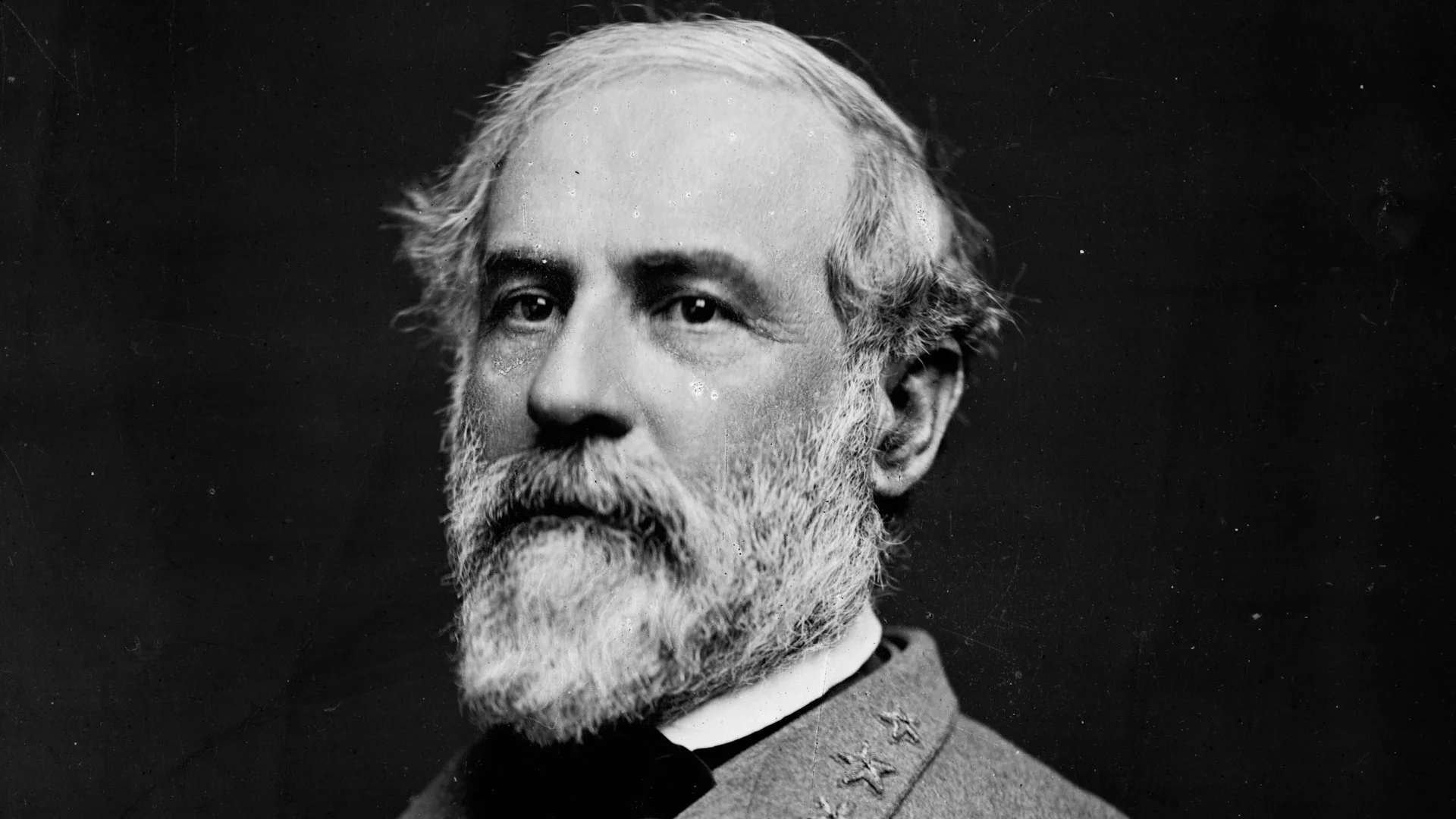
1863 proved to be Robert E. Lee's best year in the Civil War. His string of victories in Virginia kept Confederate hopes alive. In 1864, however, Ulysses S. Grant took command of Union forces. As President Lincoln faced re-election, he relied on Grant to bring the war to a close.
It worked, but at great cost. In what became known as the Overland Campaign, the nation witnessed a terrible clash between the war's two greatest generals. By the end of the campaign's six intense weeks, there were an estimated 55,000 Union and over 33,000 Confederate casualties, making it the bloodiest campaign of the war.
The Confederacy's Last Hope
General Grant had moved east to take command of the Army of the Potomac. The Confederates were struggling to maintain their army. They now conscripted men between the ages of 17 and 50 and extended enlistments that were expiring. With fewer than half as many soldiers as the Union armies, the Confederates were also in dire need of rations.
In 1864, the South hoped to deliver a blow that would dispirit the North and result in Lincoln's defeat in the upcoming presidential election. Another president might just negotiate a peace plan that retained Confederate independence.
The Battle of the Wilderness Begins
Grant was set on crushing the rebellion by the end of the year. He ordered Sherman to move south, confront Johnston's army, and get as far into the Confederacy as he could. Grant himself prepared to cross the Rapidan River and bring Lee to battle. The Confederate commander knew an open confrontation would favor the Union's superior numbers.
He decided not to contest the crossing but instead to strike the bluecoats in the Virginia Wilderness. May 5 marked the first day of the Battle of the Wilderness. Two of Lee's corps met three of Grant's. The woods were dense and full of smoke. Union troops did not know the terrain like the Confederates. Bluecoats fired at one another blindly and failed to exploit gaps in the rebel line.
Grant Refuses to Retreat
At dawn the next day, Union forces pushed the Confederates through the woods and emerged near Lee's headquarters. Then Longstreet arrived and drove the Federals back. He was shot accidentally by his own men and went out of commission for several months.
In the evening, Confederate general John Gordon launched a surprise attack, comparable to when Stonewall Jackson had launched his own during the Battle of Chancellorsville. Gordon's strike unnerved Union officers. One brigadier feared the worst. Grant replied: 'I am heartily tired of hearing what Lee is going to do. Some of you always seem to think he is suddenly going to turn a double somersault, and land on our rear and on both our flanks at the same time. Go back to your command, and try to think what we are going to do ourselves.' Altogether, the Battle of the Wilderness had gone badly for the Union, with 17,500 casualties to the 13,000 rebels. Grant, however, did not retreat. Instead of withdrawing north, he moved south and engaged Confederate troops once more at Spotsylvania.
The Battle of Spotsylvania and the Bloody Angle
The battle at Spotsylvania began on May 8. The Confederates had built the strongest fieldworks of the war so far: trenches, breastworks, artillery positions, and abatis. The climax came at the Bloody Angle on May 12. The battle raged that day for eighteen hours in the rain. Soldiers fired point-blank into enemy lines, stabbed with bayonets, and fought hand to hand in mud and rain.
Lee eventually pulled his men back. Northern morale dipped, however, with Grant's inability to destroy Lee. Spotsylvania produced a staggering number of casualties: over 31,000 combined. The battle ended inconclusively.
Yellow Tavern and the Death of J.E.B. Stuart
Not so at Yellow Tavern. On May 11, Philip Sheridan led a cavalry of 10,000 in the destruction of twenty miles of railroad and three weeks of rations that would have gone to Lee's army. J.E.B. Stuart's cavalry had long been regarded as one of the Confederacy's elite forces in the war but were outnumbered two to one that day and entirely ineffectual against the Northerners. Stuart himself was mortally wounded.
Cold Harbor
A few weeks after Spotsylvania, the armies moved south to Cold Harbor: there, 59,000 Confederates confronted 109,000 Federals. By this point both armies had suffered enormous losses. The Federals had lost roughly 44,000 men and the Confederates about 25,000. The armies had marched, fought, and dug trenches almost constantly for four weeks. Grant favored a decisive victory over Lee rather than a war of attrition.
Lee, by contrast, accepted it because defensive warfare inflicted disproportionate casualties on Union troops. Still hoping for a decisive victory, Grant ordered an assault at dawn on June 3. Union troops attacked heavily fortified breastworks and were repelled. Around 7,000 Federals fell compared to roughly 2,500 Confederates. Grant later admitted, 'I regret this assault more than any one I have ever ordered.'
Grant Crosses the James River
On the night of June 12 to 13, Grant moved his army south with the intent to take Petersburg, the crucial railroad hub that supplied the Confederate capital, Richmond. Lee did not fully grasp Grant's movement toward Petersburg until the Union army was already crossing the James River. Now, instead of confronting Lee directly, the Union commander would engage the rebels in a prolonged siege war around Petersburg and Richmond. For historical maps of the Overland Campaign, visit the HISTORY250® maps library.