Episode 20 - Americans Declare Independence
On June 11, 1776, the Second Continental Congress appointed a committee of five to draft a Declaration of Independence, charging 33-year-old Thomas Jefferson with writing it. Three weeks later, Americans declared themselves free from Britain. The document set out ideals that the country would spend centuries trying to live up to.
Key Takeaways
Jefferson was chosen to write the Declaration largely because of his exceptional writing ability, though he claimed to write nothing new, only to represent common sense.
Ben Franklin pushed to replace Jefferson's phrase 'sacred and undeniable truths' with 'self-evident,' giving the document a more rational and less religious foundation.
The Declaration lists 27 specific grievances against King George III before stating the colonies' break from Britain.
Congress cut roughly a quarter of Jefferson's original draft during editing, bringing the final document to just over 1,300 words.
Between 5,000 and 8,000 Black soldiers and sailors fought for American independence, even as the document's promises of equality did not apply to enslaved people.
Sign up here to be the first to know about new History250 releases, content & resources!
FAQ - Frequently Asked Questions
Q1: Why was Thomas Jefferson chosen to write the Declaration of Independence?
Jefferson was selected primarily for his exceptional writing ability. At 33, he was one of the youngest delegates at the Second Continental Congress, but his colleagues recognized his skill with language and charged him with drafting the document. He wrote it in a rented room near the Pennsylvania State House over about three weeks.
Q2: What does 'self-evident' mean in the Declaration, and why does it matter?
Jefferson originally wrote 'sacred and undeniable truths,' but Benjamin Franklin changed it to 'self-evident,' meaning truths that require no proof or religious authority to be recognized. Franklin wanted the Declaration's foundation to be reason, not faith, making it accessible to people of any religious background. The phrase gave the document a universal quality that Jefferson's original phrasing wouldn't have had.
Q3: When was the Declaration of Independence actually signed?
The Continental Congress voted for independence on July 2, 1776, and ratified the final text on July 4. The official signing didn't happen until August 2, 1776, when most delegates put their names to the document. John Adams actually thought July 2 would be celebrated as Independence Day.
Q4: How did the Declaration address slavery?
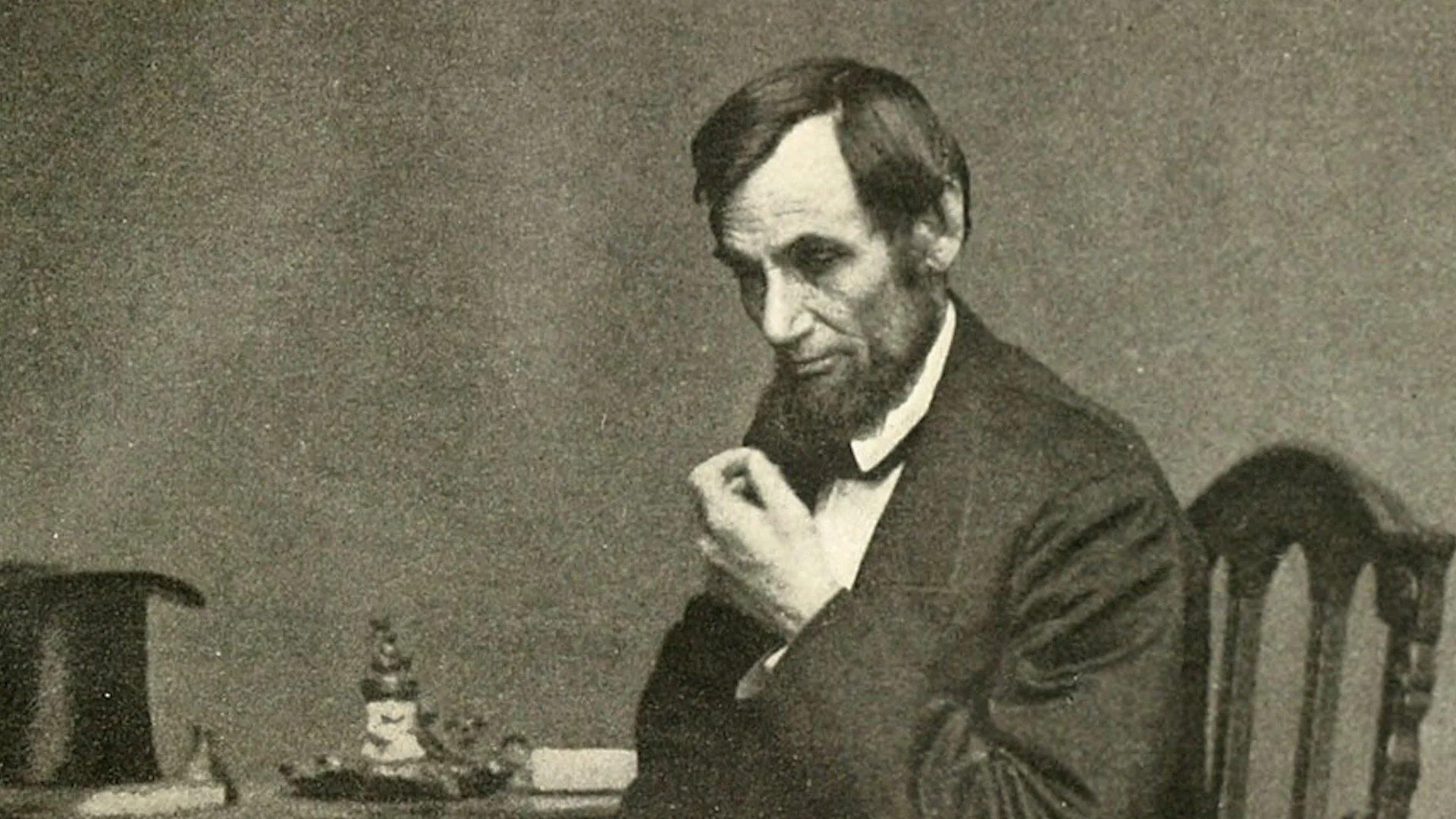
It didn't, directly. Jefferson included a passage condemning the slave trade in his original draft, but Congress removed it. The Declaration's promise that 'all men are created equal' sat alongside the reality of legal slavery. The contradiction became a driving force in the abolitionist movement and was central to Lincoln's Gettysburg Address and the Civil War.
Q5: What happened after the Declaration was signed?
Declaring independence and winning it were two different things. The war continued for seven more years. The United States also had no permanent government. A constitution wasn't ratified until 1788, and the Bill of Rights followed in 1791. The Declaration was the statement of principles; building the institutions to support them took decades.
Jefferson Gets the Assignment
On June 11, 1776, the Second Continental Congress appointed a committee of five to draft a Declaration of Independence. Thomas Jefferson, at 33 one of the youngest delegates, was given the pen. His elders on the committee chose him for his exceptional writing skills. Working in a rented room near the Pennsylvania State House, in between congressional sessions, the Virginia lawyer set to work. Just over three weeks later, the colonies declared independence. Jefferson later said he aimed to write nothing new, only to represent common sense, a phrase made popular by Thomas Paine's pamphlet of the same name, published five months earlier in January 1776. The war had already begun more than a year earlier, as we cover in our episode on Lexington and Concord.
Where the Words Came From
Jefferson drew on multiple written traditions. The Virginia Declaration of Rights, written by George Mason, supplied language that rings throughout the Declaration's most important sections. Jefferson and his colleagues were also steeped in John Locke's political philosophy, the classical histories of Thucydides and Livy, and the writings of Aristotle and Cicero. The delegates believed that true happiness required a life of virtue, lived not just for one's own good but for the common good, and that governments derive their just powers from the consent of the governed. That last idea was a dramatic break from a world still dominated by monarchies. The hardest tests of that independence still lay ahead, beginning with the desperate winter we cover in our episode on Washington's Christmas crossing of the Delaware.
The Words That Mattered Most
The most enduring passage of the Declaration began as 'sacred and undeniable truths' in Jefferson's draft. Benjamin Franklin pushed for 'self-evident' instead, wanting the founding to rest on reason rather than religion. The phrase that survived: 'We hold these truths to be self-evident, that all men are created equal, that they are endowed by their Creator with certain unalienable Rights, that among these are Life, Liberty and the pursuit of Happiness.' The document lists 27 grievances against King George III before announcing the break. Congress cut about a quarter of Jefferson's draft during editing. The final document ran just over 1,300 words.
The Gap Between the Ideal and the Reality
The Declaration's promise of equality was not extended to everyone. Slavery was legal. Between 5,000 and 8,000 Black soldiers and sailors fought for American independence, yet enslaved people were not treated as equal. The language of the Revolution did become a catalyst for abolition. After the war, slaveholders faced significant pressure to free their enslaved people for the first time. Slavery was abolished in northern states by the early 1800s, but it grew in the South until the Civil War and the 13th Amendment ended it. The 15th Amendment gave Black men the vote. Women, despite their roles supporting the Continental Army, couldn't vote until the 19th Amendment in 1920. Abraham Lincoln invoked the Declaration at Gettysburg. Martin Luther King Jr. called it a promissory note that had finally to be paid. You can trace the American argument over freedom and slavery directly back to this document.
July 4th and What Came After
The Continental Congress voted for independence on July 2, 1776. On July 4th, delegates ratified the final version of the Declaration. Not until August 2nd did the Congress officially sign it. When the Declaration was read aloud in town squares, church bells rang across the former colonies. In New York, citizens pulled down a gilded statue of George III, scraped off the gold leaf, and melted the two tons of lead into musket balls. Declaring independence was one thing. Winning it would take seven more years of war. A permanent government, including a constitutional framework, would not come until after the fighting ended. The Revolution would not end until British surrender at Yorktown, the subject of our episode on the siege of Yorktown.