Episode 78 - Custer's Last Stand: Part II
On June 25, 1876, Lakota Sioux and Cheyenne warriors destroyed the five companies under Lieutenant Colonel George Armstrong Custer at the Little Bighorn River. This second of two episodes follows the campaign from the federal deadline of January 31, 1876, through Sitting Bull's Sun Dance vision, Crazy Horse's stand against Crook at the Rosebud, Custer's decision to divide his command, Reno's failed attack and the last fight on Last Stand Hill.
It then traces what happened to everyone involved: Red Cloud's conversion, Crazy Horse's surrender, Sitting Bull and Gall in Canada, Buffalo Bill's Wild West, the Ghost Dance, and Sitting Bull's arrest at Standing Rock in 1890. The road to the battle, from Red Cloud's War to gold in the Black Hills, is told in Custer's Last Stand: Part I; the settlers pressing onto the Plains appear in Homesteaders Go West, and an earlier chapter of federal removal policy is The Trail of Tears.
Key Takeaways
On January 31, 1876, non-reservation Cheyenne and Lakota Sioux missed the federal deadline to report to their agencies. A day later the Bureau of Indian Affairs turned the matter over to the War Department.
On May 17, General Alfred Terry led 900 men, including Lieutenant Colonel George Custer, out of Fort Abraham Lincoln. In early June, about 350 miles away, Sitting Bull had a vision during a Sun Dance of soldiers falling into the Indian village, and took it as a sign of victory.
Little Bighorn was not Custer's first battle on the Plains. In November 1868 his 7th Cavalry surprised a Cheyenne village on the Washita River in present-day western Oklahoma.
Sitting Bull, a Hunkpapa, provided spiritual leadership. Crazy Horse, an Oglala, and the Hunkpapa warrior Gall were the principal war chiefs. On June 17 Crazy Horse halted General George Crook's advance at the Battle of the Rosebud.
By June 25 Sitting Bull's camp on the Little Bighorn held 7,000 to 8,000 people, including 1,500 to 2,000 warriors. Underestimating that force, Custer divided his 600 to 650 men, keeping five companies, 210 soldiers, under his own command.
Reno's attack on the village was driven back, and he and Benteen held the bluffs for the rest of the battle. Sioux and Cheyenne warriors surrounded Custer on Battle Ridge, and he and about 40 men made their last stand on the knoll now called Last Stand Hill. All 210 men in his five companies were killed.
Across the two days, federal fatalities totaled 268, with 50 more wounded. Between 60 and 100 Sioux and Cheyenne warriors died. The Indians won partly because Sitting Bull had united the Sioux and Cheyenne in a force of unprecedented size.
The defeat outraged Americans and hardened the government's resolve. Within a year most bands had been forced onto reservations, nearly ending Plains resistance.
Red Cloud did not join Sitting Bull. He moved to Pine Ridge in 1878, became Catholic in 1884, and at his request was buried in 1909 in the black robes of a Catholic priest.
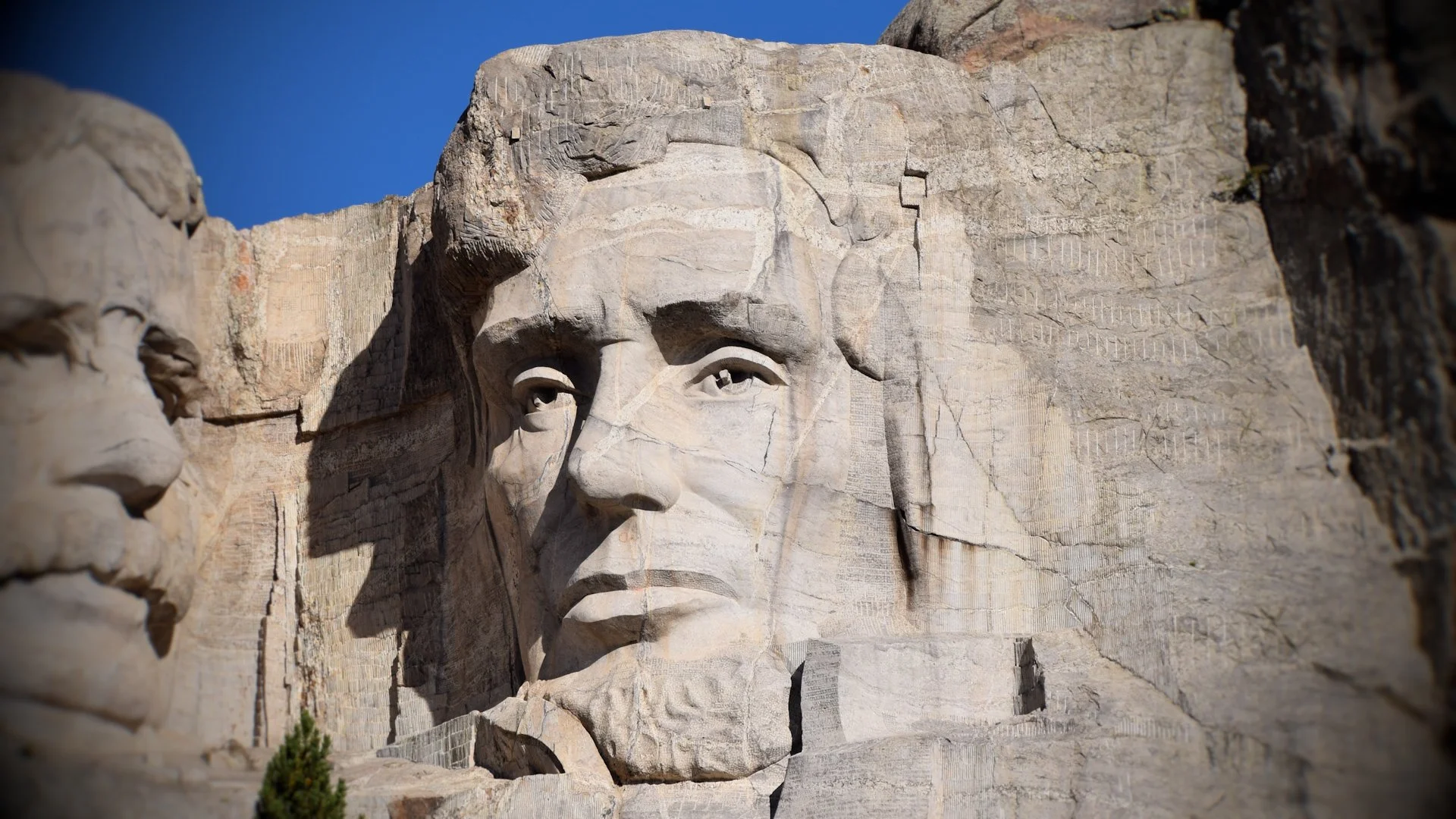
Crazy Horse surrendered in 1877 and was bayoneted while resisting arrest later that year. The Crazy Horse Memorial, begun in 1948, is planned at 563 feet; the face alone is 86 feet tall, 17 miles from Mount Rushmore.
Sitting Bull led 4,000 to 5,000 people into Canada in 1877 and surrendered in 1881. In 1885 he toured for four months with Buffalo Bill's Wild West, paid $50 a week.
In December 1890, over his support for the Ghost Dance, 40 Indian police were sent to arrest Sitting Bull at Standing Rock. He was shot twice while resisting. Agent James McLaughlin credited Bull Head; Red Tomahawk later claimed he fired both shots.
Sign up here to be the first to know about new History250 releases, content & resources!
Questions & Answers (FAQ)
Q1: Who won the Battle of Little Bighorn?
Lakota Sioux and Cheyenne warriors led by Sitting Bull, Crazy Horse and Gall. On June 25, 1876, they destroyed the five companies under Lieutenant Colonel George Armstrong Custer on the Little Bighorn River in Montana Territory.
Q2: Why did Custer lose at Little Bighorn?
He underestimated the enemy. Sitting Bull's camp held 7,000 to 8,000 people, including 1,500 to 2,000 warriors, and Custer divided his 600 to 650 men into separate commands. Reno's attack was driven back, and warriors then surrounded Custer's 210 men on Battle Ridge. Sitting Bull's alliance of the Sioux and Cheyenne was of unprecedented size.
Q3: What was Sitting Bull's vision before Little Bighorn?
In early June 1876, during a Sun Dance in which he prayed, fasted and sacrificed flesh from his arms, Sitting Bull saw white soldiers falling into the Indian village. He took it as a sign of victory, and his followers readied for battle.
Q4: What was Custer's Last Stand?
After Sioux and Cheyenne warriors surrounded Custer's men on Battle Ridge, the soldiers fled north to a knoll at the northwest corner, now called Last Stand Hill. Custer and about 40 of his 210 men were cornered there. None of the 210 survived.
Q5: How many soldiers died at Little Bighorn?
Across the battle's two days, federal fatalities totaled 268, with 50 more wounded. Between 60 and 100 Sioux and Cheyenne warriors died.
Q6: What happened to Crazy Horse after Little Bighorn?
Facing pressure and starvation, Crazy Horse surrendered with 1,100 followers in 1877, persuaded by Red Cloud. Later that year he was bayoneted by an American soldier while resisting arrest. A memorial to him has been under construction in the Black Hills since 1948.
Q7: What happened to Sitting Bull after Little Bighorn?
He led 4,000 to 5,000 people into Canada in 1877 and surrendered in 1881. In 1885 he toured for four months with Buffalo Bill's Wild West. In December 1890, after he supported the Ghost Dance, Indian police were sent to arrest him at Standing Rock, and he was shot twice while resisting.
Q8: How big is the Crazy Horse Memorial?
The planned height is 563 feet. The face alone is 86 feet tall, more than 25 feet taller than George Washington's face at Mount Rushmore, 17 miles away. Construction began in 1948 and is not finished.
The Federal Deadline
On January 31, 1876, non-reservation Cheyenne and Lakota Sioux missed the federal deadline to report to their agencies. One day later, the Interior Department's Bureau of Indian Affairs turned the issue over to the War Department. On May 17, General Alfred Terry led 900 men, including Lieutenant Colonel George Custer, out of Fort Abraham Lincoln to enforce the ultimatum.
Sitting Bull's Vision
In early June, roughly 350 miles away, the great Sioux leader Sitting Bull participated in a Sun Dance, praying, fasting, and sacrificing flesh from his arms. Near the end of the ritual, he experienced a vision. He saw white soldiers falling into the Indian village with limbs toward the sky. Taking this as a sign of victory, Sitting Bull and his followers readied for battle.
Washita, 1868
Little Bighorn was not Custer's first battle on the Great Plains. In November 1868, along the Washita River in what is now western Oklahoma, Custer's 7th Cavalry struck a Cheyenne settlement by surprise, killing 30 to 60 of the Natives, mostly men, and capturing another 53 women and children.
A Three-Pronged Campaign
Eight years later, he was part of a three-pronged campaign to settle the Northern Plains Indians on reservations. General George Crook launched from Wyoming Territory, Colonel John Gibbon from Montana Territory, and General Terry with Custer from Dakota Territory.
The Great Encampment
By mid-June, a great Indian encampment had gathered along Ash Creek in the southeastern part of Montana Territory. Sitting Bull, who belonged to the Hunkpapa, provided spiritual leadership, while Crazy Horse, who was Oglala, and the Hunkpapa warrior Gall, served as principal war chiefs. All three were Lakota Sioux.
The Battle of the Rosebud
At the Battle of Rosebud Creek on June 17, Crazy Horse halted Crook's advance and forced his withdrawal. Terry then ordered Custer and the 7th Cavalry up the Rosebud while Gibbon approached from the north.
Custer Divides His Command
By June 25, Sitting Bull's camp, now 7,000 to 8,000 Natives, including 1,500 to 2,000 warriors, had resettled along the Little Bighorn River. Underestimating the size of his enemy's forces, Custer divided his 600 to 650 men. Custer led five companies, altogether 210 soldiers. Major Marcus Reno and Captain Frederick Benteen led three companies each. The pack train, accompanied by Company B and a detail of soldiers from other companies, trailed behind. Custer hoped to surprise the enemy, as he had done at Washita, but his scouts informed him that the Indians knew of his presence. Fearing that his enemy would strike first, or perhaps scatter, Custer ordered Reno to attack.
Reno's Attack
On the afternoon of June 25th, Reno's battalion approached the village and formed a skirmish line but was driven back through the woods. There, Custer's favorite scout, Bloody Knife, was killed. Benteen joined Reno at the bluffs overlooking the Little Bighorn Valley, a high ground they held for the remainder of the battle.
Medicine Tail Ford and Calhoun Hill
Meanwhile, following a skirmish at Medicine Tail Ford, Custer ordered his troops to fall back to Calhoun Hill. For reasons that are still debated, Custer did not attack the enemy at this point.
Last Stand Hill
After repelling Reno, Sioux and Cheyenne warriors turned toward Custer and his men, surrounding them at Battle Ridge. The soldiers fled north along the ridge. At the northwest corner was a knoll, now called Last Stand Hill. There, Custer and 40 of the original 210 were cornered. Sioux and Cheyenne warriors charged up the hill where Custer fought for the last time. All 210 soldiers in Custer's five companies were wiped out that day.
After the Battle
The warriors used firearms, including lever-action repeating rifles that could fire up to 16 rounds without reloading. They also slew their enemies with knives, lances, hatchets, and war clubs. Almost all of the corpses were stripped. Most of the soldiers were scalped and many of their bodies mutilated. Among the dead, some of their heads were beaten beyond recognition. Custer's younger brother Tom was identified only by a tattoo. Custer died from two gunshot wounds, one to his chest, the other to his head. His body was stripped to his socks, but he was neither scalped nor mutilated. The body of Captain Myles Keogh also lay intact, perhaps due to a Catholic holy medal he wore that might have been considered strong medicine by the warriors.
Why the Sioux and Cheyenne Won
Across the battle's two days, total federal fatalities were 268. Fifty more were wounded. 60 to 100 Sioux and Cheyenne warriors died in the battle. The Indians had won Little Bighorn partly because Sitting Bull had united the Sioux and Cheyenne in a force of such unprecedented size.
The End of Plains Resistance
The destruction of Custer's battalion outraged Americans and steeled government resolve to end the Indian Wars. Within a year, most bands were forced onto reservations, nearly ending Plains resistance.
Red Cloud
Many of Red Cloud's tribesmen had joined Sitting Bull to resist federal troops. Though he was the only tribal leader to win a war against the United States, Red Cloud had not joined Sitting Bull. In 1878, he moved permanently to Pine Ridge Reservation in South Dakota. Later, in 1884, Red Cloud and his family became Catholic. At his request, when he died in 1909, he was buried in the black robes of a Catholic priest.
Crazy Horse
One year after his victory at the Battle of Little Bighorn, but now under pressure and facing starvation, Crazy Horse surrendered with 1,100 followers. Red Cloud persuaded him to do so. Later that year, while resisting arrest, Crazy Horse was bayoneted by an American soldier and died.
The Crazy Horse Memorial
In the Black Hills of South Dakota, construction began in 1948 on a granite monument to Crazy Horse. Although still uncompleted, the intended height is 563 feet. The warrior's face alone is 86 feet tall, over 25 feet greater than George Washington's face, just 17 miles away at Mount Rushmore.
Custer's Burial at West Point
Custer's remains were buried at West Point, overlooking the Hudson River, although a marker in his honor still remains at Last Stand Hill.
Sitting Bull and Gall in Canada
In 1877, Sitting Bull led between 4,000 and 5,000 of his people to Canada. Gall was among them. Life there proved exceedingly difficult. Plague and starvation pursued them until they had little recourse but to accept reservation life. In 1881, each of the two warriors, first Gall, then Sitting Bull six months later, surrendered to federal authorities. Sitting Bull's following had dwindled to between 150 and 200 men, women, and children. While in Canada, he and Gall broke off their friendship, never to restore it again, even as they lived most of their remaining lives on the Standing Rock Reservation.
Gall's Later Life
Gall took up farming, became an Episcopalian, although he retained much of his people's traditional religious beliefs, and served as a tribal court judge. He died in 1894.
Buffalo Bill's Wild West
In 1885, Sitting Bull spent four months touring with Buffalo Bill's Wild West show before returning to Standing Rock. He was paid $50 per week, mainly for riding in the opening procession. The Hunkpapa leader was also paid for photographs and autographs.
The Ghost Dance
In 1890, federal authorities ordered Sitting Bull's arrest over his support for the Ghost Dance, an Indian renewal movement in which prophet-dreamers foresaw the removal of whites and the revival of traditional Native ways. Authorities also feared that Sitting Bull might leave the reservation.
The Arrest of Sitting Bull
On December 15th, 40 Indian police were sent to Sitting Bull's cabin. He was fatally shot twice while resisting arrest. One shot struck his torso, the other his head. Like Sitting Bull, two of the ranking officers, Bull Head and Shave Head, were Hunkpapa Lakota. A third, Red Tomahawk, was part Hunkpapa. Sitting Bull's supporters shot Bull Head and Shave Head, both of whom died later. They killed four other Indian policemen on the day of the arrest. The police force killed seven of Sitting Bull's supporters.
Who Fired the Shots?
The U.S. Indian agent on the reservation, James McLaughlin, reported that after Bull Head was hit, he managed to fire into Sitting Bull's side. But Red Tomahawk told a different story. In a 1915 interview, he claimed that he shot both bullets that killed Sitting Bull.