Episode 48 - A Most Violent Martyr
In October 1859, abolitionist John Brown led 21 men in a raid on the federal armory at Harpers Ferry, Virginia, hoping to spark a slave rebellion. The raid failed, Brown was captured and hanged, but the tremors it sent through North and South brought the nation to the edge of war. This episode traces Brown's life, the raid itself, and the furious national reaction that followed.
Key Takeaways
John Brown had already killed five pro-slavery settlers in the Pottawatomie Massacre of 1856 before he ever turned toward Harpers Ferry.
Frederick Douglass refused to join the raid, predicting that attacking a federal installation would turn public opinion against the abolitionist cause.
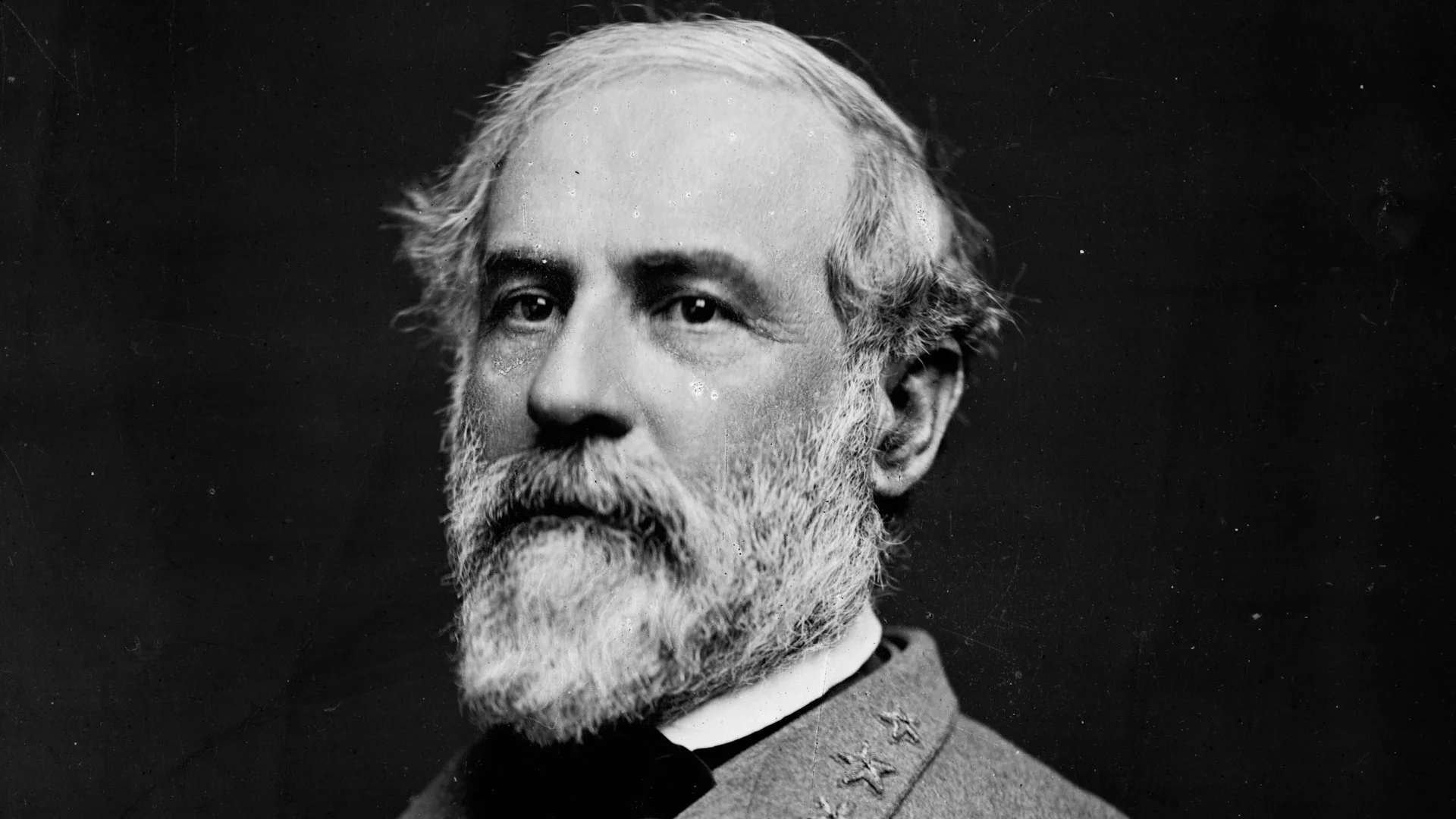
The Marines sent to end the standoff were commanded by Colonel Robert E. Lee and Lieutenant Jeb Stuart, both of whom would soon lead Confederate armies.
Brown's final written note, passed to his jailer on the morning of his execution, declared that the crimes of this guilty land would never be purged away but with blood.
The Southern reaction was not grief or indifference but outright panic, with senators calling on the region to defend itself against what they saw as a northern conspiracy.
Sign up here to be the first to know about new History250 releases, content & resources!
FAQ - Frequently Asked Questions
Q1: Why did John Brown choose Harpers Ferry for his raid?
Harpers Ferry housed a major federal armory with thousands of rifles and muskets. Brown believed that seizing those weapons and distributing them to enslaved people in the surrounding region would spark a broader slave rebellion across the South. The town's geography, situated at the confluence of the Potomac and Shenandoah rivers, made it strategically significant but also, as Frederick Douglass warned, a trap with no easy escape.
Q2: Why did Frederick Douglass refuse to join the raid?
Douglass declined Brown's invitation because he believed that attacking a federal armory would turn public opinion against the abolitionist movement. He also assessed Harpers Ferry as a geographic dead end, surrounded by mountains and rivers, which he described as a perfect steel trap. His concerns proved accurate on both counts.
Q3: What happened to John Brown after he was captured?
Brown was tried in Charles Town, Virginia on charges of murder, treason, and conspiring to incite slave insurrection. The trial moved quickly. He was found guilty on all three charges and hanged on December 2nd, 1859. He passed a written note to his jailer that morning predicting the crimes of this guilty land would only be purged away with blood.
Q4: How did Southerners react to the Harpers Ferry raid?
The Southern reaction was alarm and fury. Many white Southerners interpreted the raid as evidence of a broader northern conspiracy against slavery and against the South itself. Politicians like Georgia Senator Robert Toombs used the moment to call for secession, and the raid accelerated the political fracturing that would lead to the election of 1860 and the start of the Civil War.
Q5: Was John Brown considered a hero or a terrorist?
He was considered both, depending on who you asked and when. Abolitionists like Henry David Thoreau celebrated Brown as a martyr who gave his life for a righteous cause. Republicans like Lincoln acknowledged his moral convictions while condemning his methods. White Southerners viewed him as a dangerous criminal. Among enslaved people and Black Americans, opinions varied, though many recognized the sincerity of his commitment to their freedom.
John Brown: A Life Defined by Opposition to Slavery
In the autumn of 1859, a small town in the mountains of Virginia became the stage for a national reckoning. The abolitionist John Brown, who three years earlier had led the Pottawatomie massacre in Kansas, came to Harpers Ferry. What followed was not simply a failed raid on a federal armory. It was a moment that exposed the moral fault lines of a divided nation. To some, Brown was a murderer. To others, he was a martyr who lost his life for a holy cause. For the entire country, Harpers Ferry was a warning shot before the Civil War. John Brown entered the world in Torrington, Connecticut in 1800. He came from a family that was passionately anti-slavery, a trait that Brown inherited and carried into his adulthood.
The abolitionist embarked on failed business ventures in the tanning industry and the selling of wool. Brown even declared bankruptcy in 1842. He married twice and fathered 20 children, including 13 by his second wife, Mary Anne Day. Brown traveled the country like a nomad, wandering from one state to the next: Ohio, Massachusetts, New York, Kansas. The one constant in his life was the religious opposition to slavery instilled in him as a child. Brown worked as a conductor on the Underground Railroad, the network of people, routes, and safe houses designed to help slaves escape to freedom. Brown had cut his teeth on the violence we cover in our episode on Bleeding Kansas.
From Kansas to Harpers Ferry
Then on May 21st, 1856, pro-slavery forces sacked the anti-slavery bastion of Lawrence, Kansas. The next day, South Carolina Democrat Preston Brooks beat Massachusetts Republican Charles Sumner nearly to death with a cane on the floor of the Senate. John Brown was enraged. "Something must be done," he said, "to show these barbarians that we too have rights." On the night of May 24th–25th, along Pottawatomie Creek in Kansas, Brown and four of his sons, plus three other comrades, murdered five pro-slavery settlers by splitting open their skulls with broadswords. From Kansas, Brown began to imagine a larger plan. He believed that American slaves would rise up in rebellion if given weapons and leadership. His target was Harpers Ferry, Virginia.
There, a federal armory held thousands of rifles and muskets. Brown tried to recruit Frederick Douglass to the campaign, but he refused, fearing that attacking the federal post would turn public opinion against the abolition movement. Douglass also sized up Harpers Ferry as a perfect steel trap. The deeper history of American slavery and the abolitionist movement is the subject of our episode on America's paradox of slavery and freedom.
The Raid
At 8:00 on the night of October 16th, 1859, Brown led 18 men into town, including five who were black. He left three men to guard the base he had established on a farm across the Potomac in Maryland. The raiders moved quickly, cutting telegraph wires and seizing key buildings. Their attack met little resistance as the armory was only lightly guarded. Brown captured hostages, including a great-grandnephew of George Washington. The slave uprising never came.
The first casualty of the raid occurred when Brown's bridge guard shot a black freedman who worked as a baggage master, Heyward Shepherd had come out on the trestle of the bridge searching for the night watchman. By morning, local militia and armed citizens surrounded the raiders. Gunfire echoed through the town. Eight of Brown's men were killed or mortally wounded that day, including his sons Oliver and Watson. Seven of the raiders escaped, including a third son, Owen Brown. John Brown and the remaining survivors, plus his prisoners, retreated to the thick-walled brick engine house.
Capture, Trial, and Execution
President Buchanan had dispatched United States Marines to end the standoff. That night, a company of Marines commanded by cavalry officers Robert E. Lee and Jeb Stuart arrived in Harpers Ferry. The next morning, they stormed the engine house, killing two of the raiders and forcing Brown to surrender. In the exchange of fire, one Marine was killed. John Brown plus the remaining survivors were captured alive. The state of Virginia quickly put Brown and six other raiders on trial for murder, treason, and inciting slave insurrection. The trial was held in Charles Town, Virginia, which, like Harpers Ferry, is now part of West Virginia. John Brown showed no remorse. Found guilty on all three charges, all seven defendants were executed by hanging.
On December 2nd, 1859, John Brown was taken by wagon to the outskirts of Charles Town. Among the forces charged to keep order were cadets from the Virginia Military Institute, accompanied by their professor, Thomas T. Jackson. John Wilkes Booth was there too, as a member of the Virginia Grays. Just before John Brown boarded the wagon that transported him to his execution, he slipped a note to his jailer: "I, John Brown, am now quite certain that the crimes of this guilty land will never be purged away, but with blood." Within eighteen months of Brown's hanging, the country was at war, as we cover in our episode on the First Battle of Bull Run.