Episode 27 - America's Cincinnatus
After leading America to independence, George Washington resigned his military command in 1783 and returned to his farm. He was called back twice: first to preside over the Constitutional Convention, then to serve as the country's first president. Both times, he succeeded. Both times, he gave the power back.
Key Takeaways
Washington resigned his military commission on December 23, 1783, bowing to Congress in a gesture of respect for civilian authority that stunned observers across the world.
As the first president, Washington assembled a cabinet that included Alexander Hamilton as Treasury Secretary and Thomas Jefferson as Secretary of State, two men who would become bitter rivals.
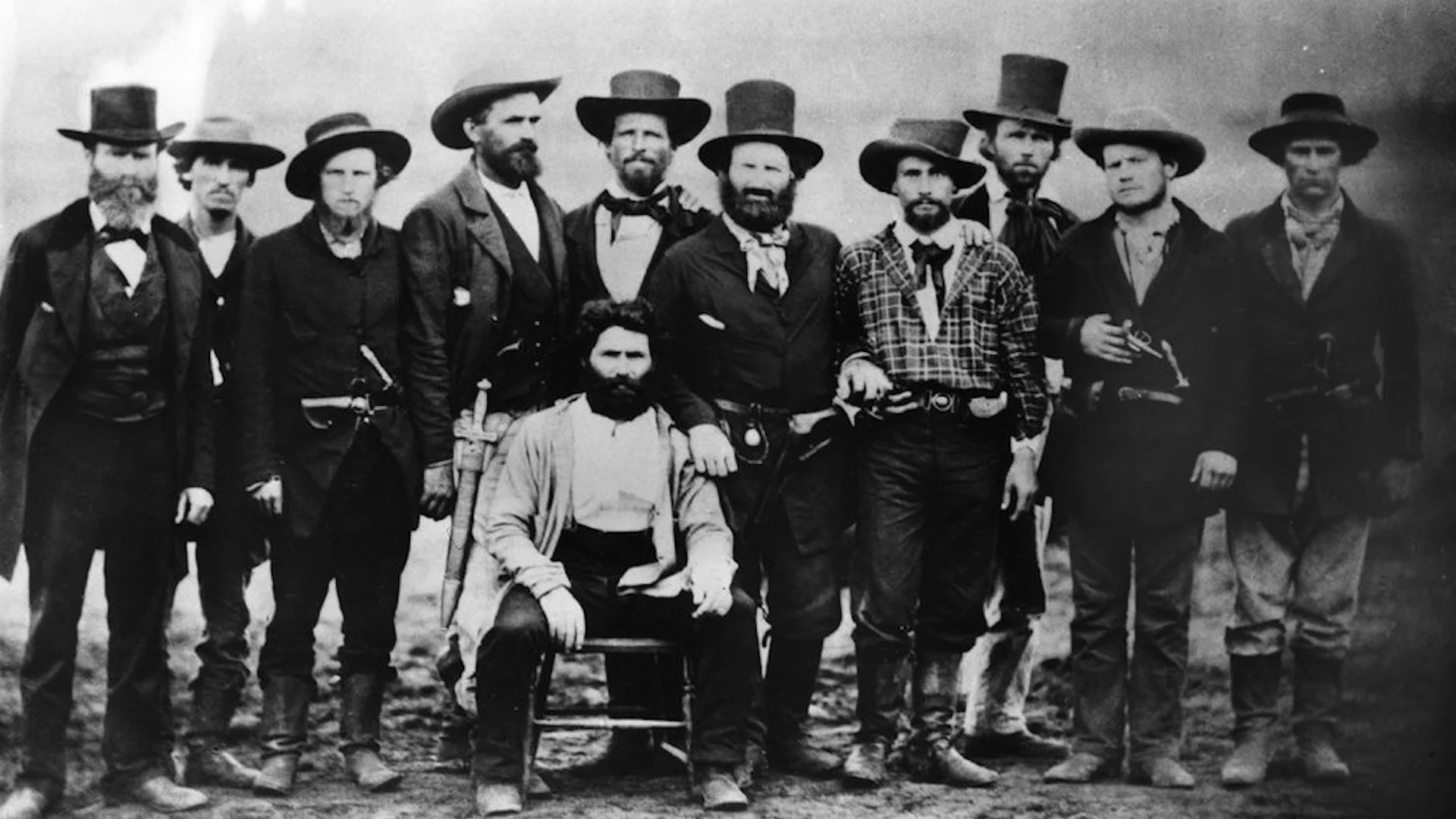
Hamilton's excise tax on whiskey sparked the Whiskey Rebellion in western Pennsylvania. Washington personally led 13,000 troops to suppress it, the only time a sitting president has commanded troops in the field.
Washington's Farewell Address, published in September 1796, warned against political factions, excessive partisanship, and foreign entanglements.
By voluntarily stepping down after two terms, Washington set the precedent for peaceful transfer of power that every subsequent president followed until the 22nd Amendment made it law.
Sign up here to be the first to know about new History250 releases, content & resources!
FAQ - Frequently Asked Questions
Q1: Why is Washington called America's Cincinnatus?
Cincinnatus was a Roman leader who left his farm to save the Roman Republic in a crisis, then immediately surrendered his power and returned to farming once the danger passed. Washington did the same thing twice: he resigned his military command after winning the Revolution, then stepped down from the presidency after two terms when he could have continued. The parallel was widely recognized in his own time.
Q2: What was the Whiskey Rebellion?
The Whiskey Rebellion was an armed uprising in western Pennsylvania in 1794 against Alexander Hamilton's excise tax on whiskey. Farmers who converted grain into whiskey for trade considered the tax an unfair burden. The rebellion grew large enough that Washington personally led 13,000 troops to suppress it, marking the only time a sitting American president has commanded troops in the field during a domestic crisis.
Q3: What did Washington say in his Farewell Address?
Published in September 1796, Washington's Farewell Address warned against three main dangers: the growth of political factions and excessive partisanship, foreign entanglements and permanent alliances with other nations, and threats to national unity and constitutional order. He also emphasized the importance of a balanced budget and adherence to the rule of law. The address was not a speech but a letter published in newspapers.
Q4: Why was Washington stepping down after two terms so significant?
At the time, there was no legal limit on presidential terms. Washington could have served for life, and many people expected him to. By choosing to step down, he established the norm that American presidents serve limited terms and transfer power peacefully. Every president followed this precedent until Franklin Roosevelt won a third and fourth term, which led to the 22nd Amendment in 1951 formally limiting presidents to two terms.
Q5: Who did Washington appoint to his cabinet, and why does it matter?
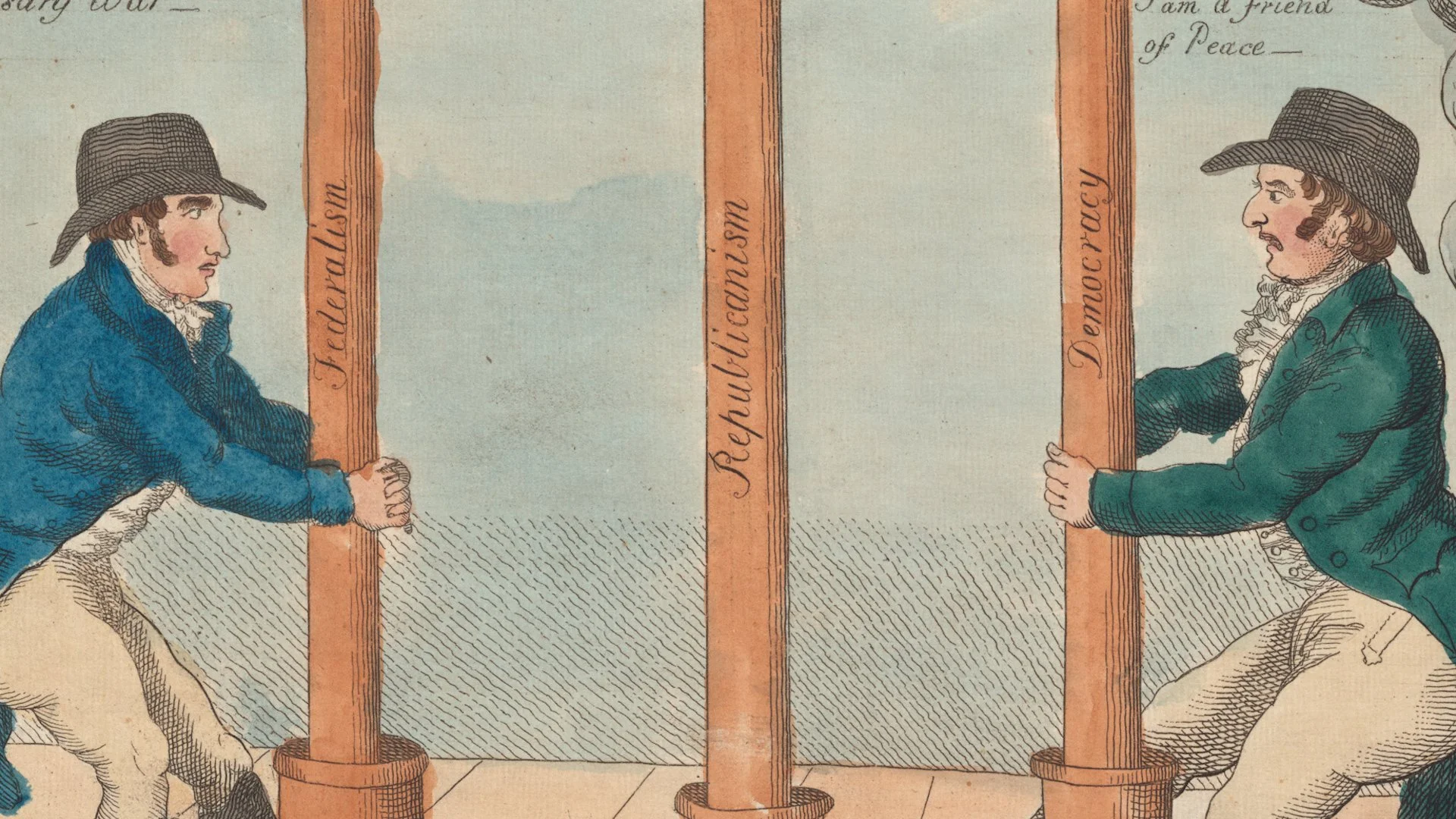
Washington's cabinet included Alexander Hamilton as Secretary of the Treasury and Thomas Jefferson as Secretary of State. The two men held fundamentally different visions for America: Hamilton favored a strong central government, urban commerce, and close ties with Britain. Jefferson favored states' rights, an agrarian economy, and sympathy with France. Their rivalry within Washington's cabinet gave rise to America's first two political parties.
America's Cincinnatus Lays Down His Sword
On December 23, 1783, the Continental Congress convened in Annapolis, Maryland. At noon, George Washington resigned his commission as commander of the Continental Army. His voice reportedly faltered and sank with emotion. In a formal gesture of respect for civilian authority, he bowed to the assembled legislators. Then he went home to Mount Vernon, arriving just in time for Christmas. He was America's Cincinnatus, named for the Roman leader who left his farm to save the republic, then willingly returned to private life once the crisis passed. Washington believed his time of public duty was done. It wasn't. Washington's military leadership had ended at Yorktown, the subject of our episode on the siege of Yorktown.
Called Back: The First President
From May to September 1787, Washington presided over the Constitutional Convention. On February 4, 1789, he was elected the nation's first president by unanimous vote of the Electoral College. His immediate challenge was to establish the authority and legitimacy of the new federal government, which had just replaced the weak Articles of Confederation. He assembled an exceptional cabinet: Alexander Hamilton as Secretary of the Treasury and Thomas Jefferson as Secretary of State. Hamilton's financial program, including the assumption of state debts, creation of a national bank, and excise taxes, stabilized the economy and established America's creditworthiness. His role in shaping the new government is covered in our episode on the Constitutional Convention.
The Whiskey Rebellion
Hamilton's excise tax on whiskey production proved deeply unpopular in western Pennsylvania, where farmers depended on converting grain into whiskey for trade. By 1794, some 7,000 rebels had gathered near Pittsburgh, ready to attack the city. Washington personally led nearly 13,000 troops to suppress the uprising. It was the first and only time a sitting American president commanded troops in the field. The rebellion collapsed without significant bloodshed, but the message was clear: the federal government would enforce its laws.
Neutrality, Diplomacy, and a Warning to the Nation
In foreign policy, Washington kept America out of the wars erupting between France and Britain after the French Revolution. His Proclamation of Neutrality protected a fragile young nation from entanglement in European conflicts. The Treaty of San Lorenzo, negotiated by his appointee Thomas Pinckney, secured American navigation rights on the Mississippi River and set the southern US boundary with Spain. In his Farewell Address, published in September 1796, Washington warned against political factions, excessive partisan spirit, and foreign alliances.
Then he stepped down. He could have been president for life. He chose not to be. King George III, hearing that Washington planned to return to his farm after the war, reportedly said: 'If he does that, he will be the greatest man in the world.' The first major foreign crisis under the new presidency is the subject of our episode on the XYZ Affair and Quasi-War with France.