Episode 22 - America Gains an Ally
France wanted Britain tied down in a colonial war and had been quietly supplying the Continental Army since 1777. But they needed proof the Americans could actually win before committing troops. The Battle of Saratoga in October 1777 gave them that proof, and within four months, France formally entered the war as America's military ally.
Key Takeaways
France began secretly supplying the Continental Army with weapons, gunpowder, and supplies as early as spring 1777, hoping to keep Britain occupied and away from French interests in Europe and the Caribbean.
Benjamin Franklin arrived in Paris in December 1776 as the first American diplomat, tasked with convincing France to enter the war as a full military ally.
British General Burgoyne's plan to split New England from the other colonies by marching south from Canada collapsed at Saratoga, where 17,000 American forces surrounded his army.
Burgoyne surrendered on October 17, 1777, handing the Americans 42 cannons and more than 7,000 muskets. American casualties were just over 300 versus nearly 1,400 British.
In February 1778, King Louis XVI signed a treaty formally recognizing American independence and making France and the United States military allies.
Sign up here to be the first to know about new History250 releases, content & resources!
FAQ - Frequently Asked Questions
Q1: Why did France support the American Revolution?
France's motives were strategic more than ideological. A prolonged war between Britain and its colonies kept Britain occupied and limited its ability to challenge France in Europe and the Caribbean, where the two powers competed for trade and imperial influence. France also saw an opportunity to weaken its longtime rival. The revolutionary ideals mattered less to the French government than the geopolitical advantage.
Q2: What was the Battle of Saratoga and why was it significant?
The Battle of Saratoga was a two-stage engagement fought in September and October 1777 near Saratoga, New York. American forces under General Horatio Gates surrounded and defeated a British army under General Burgoyne, who surrendered on October 17 with roughly 6,000 men. It was the turning point that convinced France to formally enter the war as America's ally.
Q3: What was Burgoyne's plan and why did it fail?
General Burgoyne planned to march south from Canada through the Lake Champlain corridor to Albany, linking up with other British forces and cutting New England off from the rest of the colonies. The plan fell apart because the terrain was far more difficult than expected, a key foraging party was defeated at Bennington, and the other British forces he was supposed to meet never arrived. By the time he reached Saratoga, he was surrounded.
Q4: What did France actually contribute to the American Revolution?
France supplied weapons, ammunition, uniforms, and other military goods beginning in 1777. After formally entering the war in 1778, France sent troops and, critically, its navy. French Admiral de Grasse's victory at the Battle of the Chesapeake in 1781 cut off Cornwallis by sea at Yorktown, making his surrender inevitable. Without French support, the American victory would have been far less certain.
Q5: Who was Benjamin Franklin's role in securing the French alliance?
Franklin arrived in Paris in December 1776 as the first diplomat ever to represent the United States of America. He spent over a year building relationships with French officials and making the case that America could win the war. The victory at Saratoga gave him the evidence he needed, and by February 1778 he had secured the formal military alliance with King Louis XVI.
France Sends Supplies, Not Yet Soldiers
On April 20, 1777, a French merchant ship arrived at Portsmouth, New Hampshire carrying cannons, cannonballs, muskets, six tons of gunpowder, uniforms, tents, and more. France wasn't officially in the war yet. They wanted Britain occupied in America, leaving France freer to compete in Europe and the Caribbean. After Washington's victories at Trenton and Princeton, the French were encouraged.
But they wanted more evidence before formally committing. Meanwhile, Benjamin Franklin had arrived in Paris in December 1776 as the first American diplomat, working to make the case for a full military alliance. American morale had only recently been salvaged by the events we cover in our episode on Washington's Christmas crossing of the Delaware.
Burgoyne's Plan to End the War
The British weren't standing still. General John Burgoyne devised a plan to cut off New England from the rest of the colonies by marching south from Canada through the Lake Champlain corridor to Albany, where he'd link up with other British forces. In July 1777, Burgoyne's forces reached Fort Ticonderoga and found it already abandoned, the garrison having slipped away rather than fight at 2-to-1 odds. From there, the going got harder. Swampy terrain slowed the British advance. A foraging party of 1,000 men was badly beaten at the Battle of Bennington, with over 200 killed and 700 captured. Even with French aid, brutal trials lay ahead, including the winter we cover in our episode on Valley Forge and Baron von Steuben.
The Battle of Saratoga
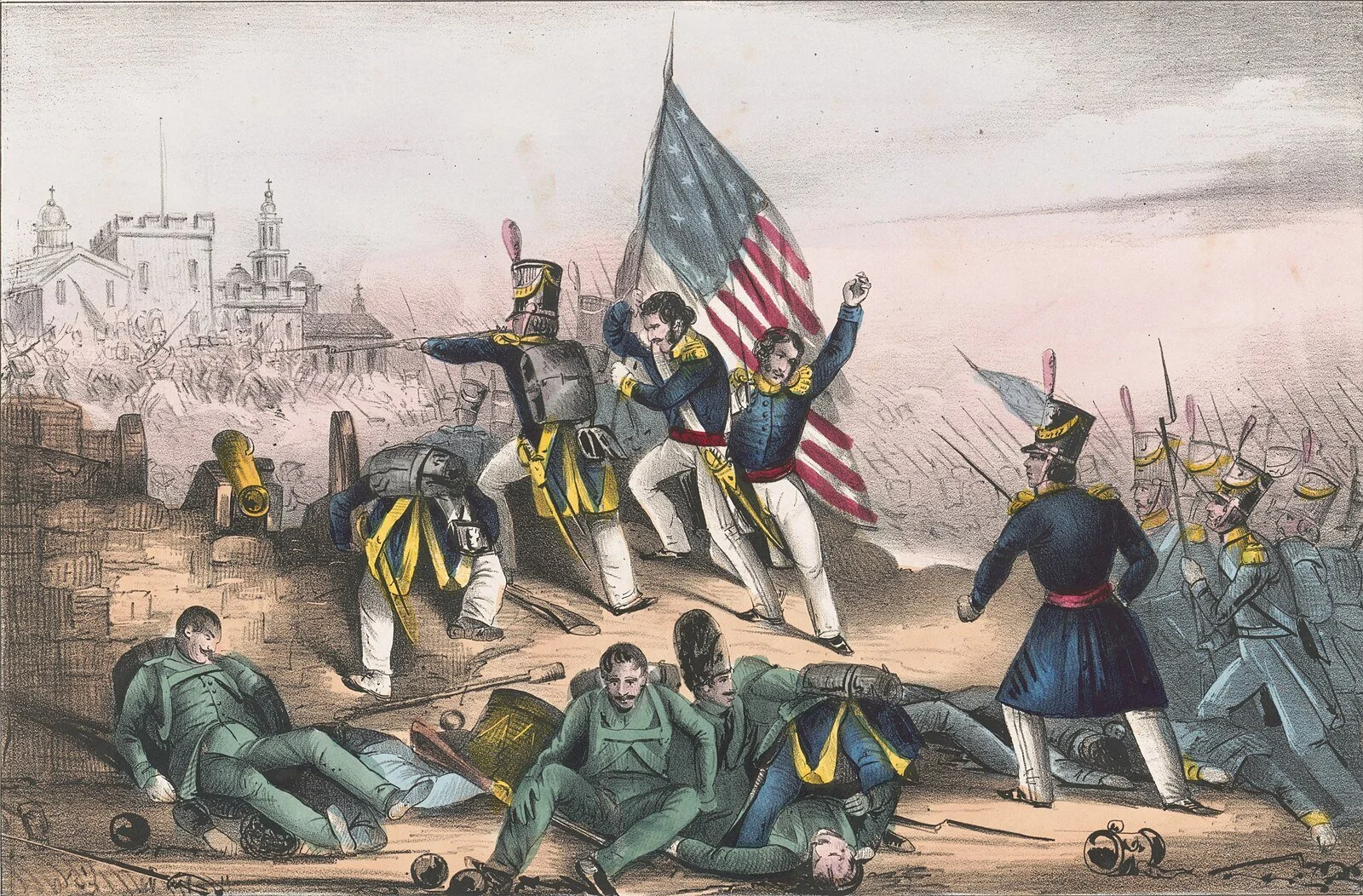
When the two sides finally clashed in September 1777 near Saratoga, American General Horatio Gates commanded 7,000 troops, including Daniel Morgan's 500 Virginia riflemen. Burgoyne led 6,500 British regulars and Hessians. The British held in the first battle but took heavy losses. By October 7th, 11,000 patriots engaged 5,900 British forces. Defeated, Burgoyne retreated toward Saratoga, hoping to escape. By October 16th, 17,000 American forces had surrounded him on all sides. Burgoyne surrendered on October 17th. Among the injured Americans was Benedict Arnold. The British gave up 42 cannons and more than 7,000 muskets. British casualties totaled nearly 1,400. The Americans lost just over 300.
France Enters the War
Saratoga was the proof France needed. New England hadn't been cut off. Patriot morale was rising across the colonies. Four months after the battle, Benjamin Franklin secured America's first military alliance. In February 1778, King Louis XVI signed a treaty recognizing American independence and committing France as a military ally. The United States agreed to aid France if England attacked her.
The alliance would prove decisive at Yorktown, where French troops and a French naval blockade trapped Cornwallis and ended the war. America wouldn't sign another treaty of military alliance until the early years of the Cold War. The French alliance would prove decisive at Yorktown, the subject of our episode on the siege of Yorktown.