Episode 41 - America Wars with Mexico
This episode covers the causes, key battles, and far-reaching consequences of the Mexican-American War (1846-1848), including the debate at home over whether the war was just and the Treaty of Guadalupe Hidalgo that transferred more than 500,000 square miles to the United States. It introduces future Civil War commanders on both sides of the conflict.
Key Takeaways
The war began over a disputed border between Texas and Mexico, with the US claiming the Rio Grande and Mexico insisting the border lay 100 miles north at the Nueces River.
Congressman Abraham Lincoln challenged President Polk's justification for war with his Spot Resolutions, demanding to know exactly where American blood had been shed.
Officers who would later command opposing armies in the Civil War, including Ulysses S. Grant and Robert E. Lee, served together under General Winfield Scott during the Mexico City campaign.
Mexico lost 55 percent of its territory as a result of the war, while the United States grew by more than one-third.
President Polk's combination of Texas annexation, the Oregon settlement, and the Mexican Cession made his presidency the largest single expansion of US territory in history.
Sign up here to be the first to know about new History250 releases, content & resources!
FAQ - Frequently Asked Questions
Q1: What caused the Mexican-American War?
The immediate cause was a border dispute over whether the Rio Grande or the Nueces River marked the southern boundary of Texas after its annexation by the United States in 1845. Mexico had never recognized Texan independence or US sovereignty over the territory. When President Polk deployed troops to the disputed zone and Mexican forces attacked a US patrol, Congress declared war. Underlying causes included American expansionist ideology, the desire to acquire California and New Mexico, and Mexico's refusal to sell or negotiate.
Q2: What were the Spot Resolutions?
The Spot Resolutions were a series of questions introduced by Congressman Abraham Lincoln in 1847 challenging President Polk's justification for the war. Lincoln demanded that Polk identify the exact spot where American blood had been shed on American soil, arguing that the attack on Captain Thornton's patrol occurred in disputed territory, not unambiguously US soil. Lincoln's resolutions went nowhere politically but established his willingness to challenge executive power.
Q3: How much territory did Mexico lose after the war?
Mexico ceded approximately 525,000 square miles under the Treaty of Guadalupe Hidalgo, representing about 55 percent of its pre-war territory. The lands transferred included present-day California, Nevada, Utah, most of Arizona and New Mexico, and parts of Colorado and Wyoming. Combined with the earlier annexation of Texas, Mexico lost the vast majority of its northern territories within a single decade.
Q4: Who were the Ninos Heroes?
The Ninos Heroes, or Boy Heroes, were six young Mexican military cadets who died defending Chapultepec Castle against the American assault on September 12th, 1847. Five died fighting; the sixth, Juan Escutia, reportedly wrapped himself in the Mexican flag and jumped from the castle walls to prevent the flag from being captured by the Americans. They are commemorated as national heroes in Mexico.
Q5: What future Civil War generals fought in the Mexican-American War?
Many officers who became prominent in the Civil War gained their first major military experience in Mexico. Ulysses S. Grant served as an infantry officer under General Winfield Scott. Robert E. Lee, then a captain, also served under Scott and distinguished himself in reconnaissance missions. Grant later recalled at Appomattox that he and Lee had met and served together in Mexico. Other future Civil War commanders including George McClellan, Stonewall Jackson, and Jefferson Davis also served in the conflict.
Manifest Destiny and a Disputed Border
In March 1845, the United States Congress passed a resolution to annex Texas. Newspaperman John L. O'Sullivan proclaimed annexation as part of America's manifest destiny. His vision was not only geographic, it encompassed a transcontinental American democracy. It meant the expansion of American territory and American ideals. Neither sentiment was shared in Mexico City. Despite the 1836 Texas Revolution, Mexico had not recognized Texas as an independent republic.
When in 1845 Texas became the 28th state, the Mexican government severed diplomatic ties with the U.S. The next year, the two countries were at war. Mexico would lose more than half its territory. America would grow by more than one-third. In 1845, Mexico and the U.S. disputed where the border lay between Texas and Mexico. The U.S. maintained that it was the Rio Grande; Mexico insisted on the Nueces River, 100 miles to the north. In July that year, Democratic President James K. Polk ordered General Zachary Taylor to deploy troops to the disputed territory between the two rivers. The roots of this conflict reach back to the Texas independence movement we cover in our episode on Texas independence at San Jacinto.
War Declared
Early in 1846, U.S. envoys arrived in Mexico City to negotiate the disputed territory and to purchase New Mexico and Alta California. General Paredes, the Mexican president, refused to meet with them.
On April 24th, Mexican forces crossed the Rio Grande at Rancho de Carricitos and attacked a U.S. patrol led by Captain Seth Barton Thornton, killing 16 U.S. soldiers. The first major battle of the war took place on May 8th. General Zachary Taylor's U.S. forces defeated General Arista and a larger Mexican force in the Battle of Palo Alto. The next day, the Americans won again at the Battle of Resaca de la Palma. Among Taylor's officers was Second Lieutenant Ulysses S. Grant. On May 11th, President Polk asked Congress to declare war, which they did two days later. Polk claimed that Mexico had "passed the boundary of the United States, invaded our territory, shed American blood upon American soil", a point of debate since the attack on Thornton and his men fell within disputed territory. Congressman Abraham Lincoln introduced the Spot Resolutions, demanding to know the exact location where U.S. blood was shed and challenging Polk's claim. The doctrine that helped justify American expansion is the subject of our episode on the Monroe Doctrine.
Two Campaigns into Mexico
Despite opposition, the war gained momentum. In September, General Taylor's forces besieged and captured the city of Monterrey. Before the year's end, the U.S. Navy had blockaded Mexico's Gulf Coast ports.
Early in 1847, the Americans launched two major strategies: Taylor's push into northern Mexico and Winfield Scott's amphibious invasion of central Mexico. At the Battle of Buena Vista, General Taylor's small force successfully repelled a much larger Mexican army led by General Santa Anna. In March, General Scott launched an amphibious landing at the port city of Veracruz. Among his officers was Captain Robert E. Lee. He hailed from Virginia, in fact, the majority of American officers and soldiers in the war with Mexico were Southerners. Ulysses S. Grant, a native Ohioan, had been assigned to Scott's army as an infantry officer. Nearly two decades later, during the surrender ceremony at Appomattox Courthouse, Grant would recall for Lee how they had met and served together under Scott. On March 29th, 1847, after a 20-day siege and with the help of Commodore Matthew Perry, the city of Veracruz surrendered to General Scott's forces.
Mexico City Falls and the Treaty of Guadalupe Hidalgo
American victory at Veracruz opened the route to Mexico City. As Scott and his army progressed, they won several decisive battles just outside the Mexican capital. On September 12th, they stormed the Chapultepec Fortress. Among the defenders were six Mexican cadets known as the Niños Héroes, Boys Heroes. Five died defending the castle from the Americans. The sixth, Juan Escutia, wrapped himself in the Mexican flag and leapt to his death in order to keep the flag from the Americans.
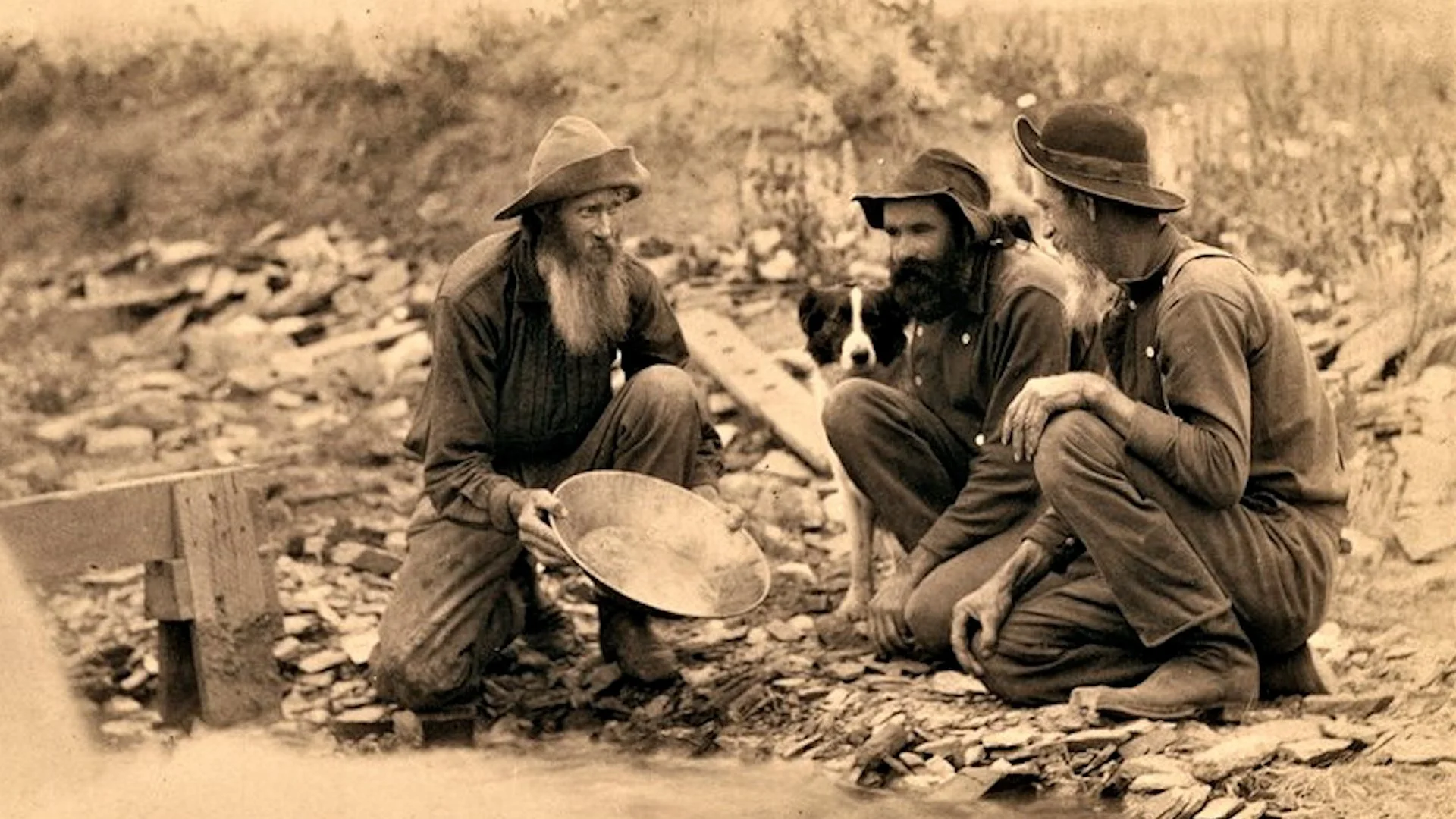
On September 14th, Mexico City fell to Scott's forces. U.S. Marines raised the American flag above Chapultepec, a memory enshrined in the first line of the Marine Corps Hymn: "From the halls of Montezuma to the shores of Tripoli." The Treaty of Guadalupe Hidalgo formally ended the war on February 2nd, 1848. Mexico recognized the Rio Grande as the U.S. border and in exchange for $15 million ceded the territories of Alta California and New Mexico to the United States, known as the Mexican Cession. On July 4th, 1848, President Polk formally proclaimed the treaty in effect. Mexico had lost 55% of its land, some 525,000 square miles. Added to the annexation of Texas in 1845 and the acquisition of the Oregon territory in 1848, the Mexican Cession meant that President Polk had overseen the biggest expansion of territory in American history: altogether more than 1 million square miles. The newly acquired territory would soon explode with the events we cover in our episode on the California Gold Rush.